Trump criticises Starmer’s refusal to grant military access for strikes against Iran
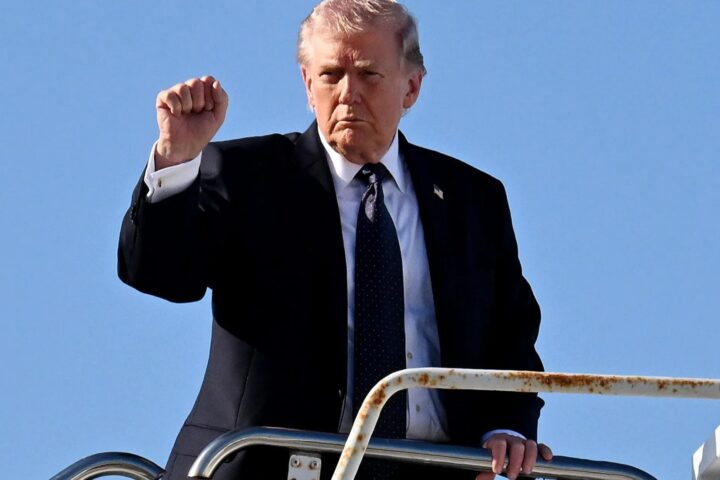
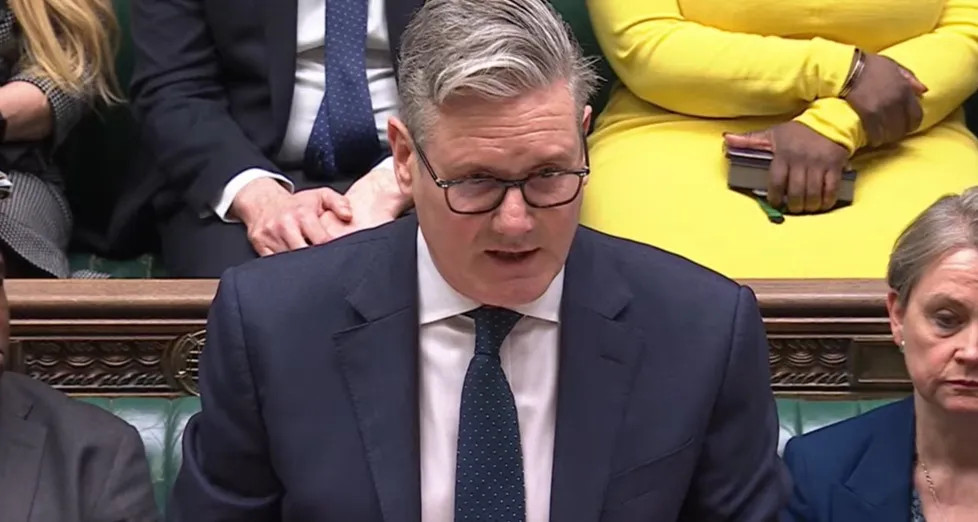
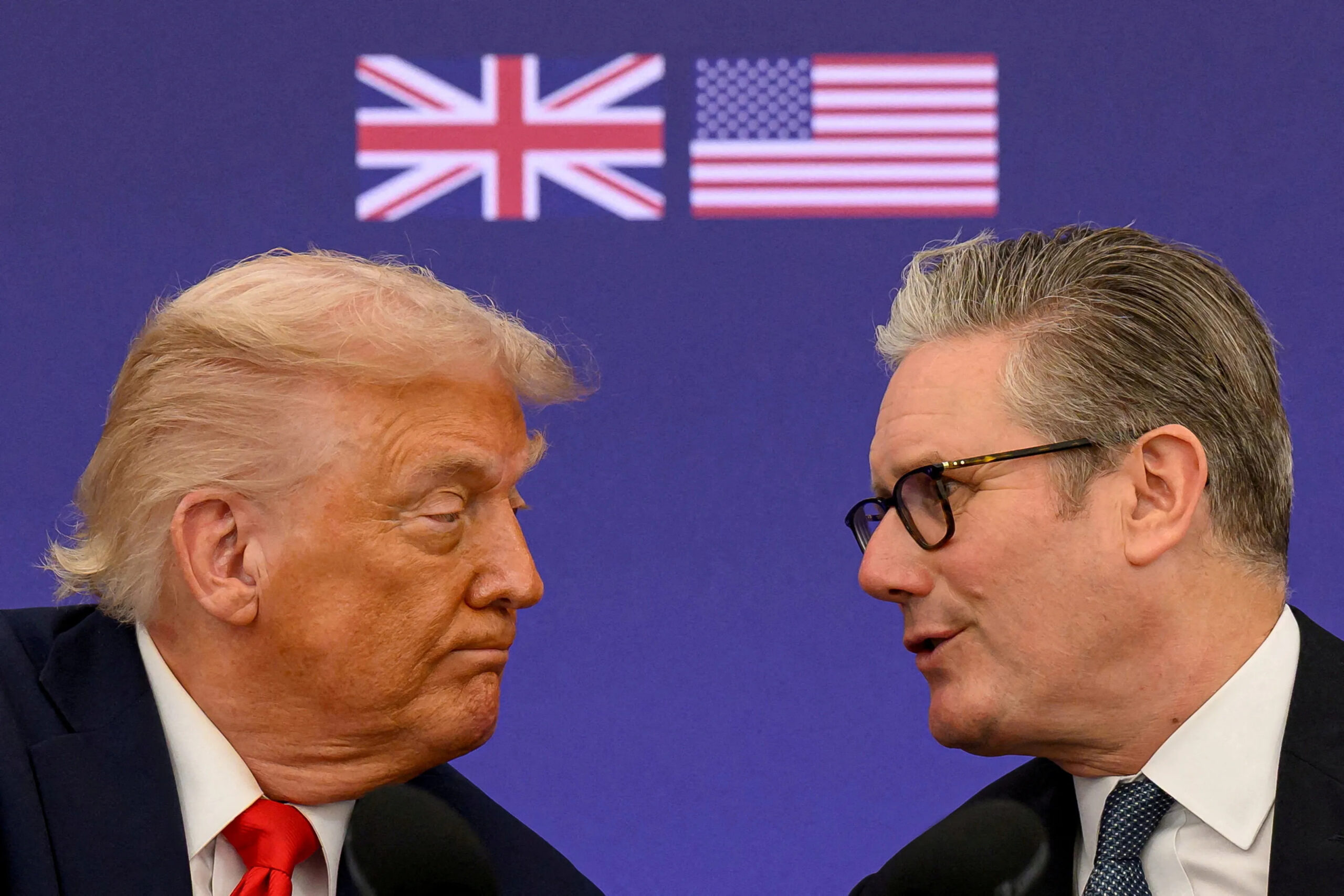
Donald Trump has expressed significant disappointment in Sir Keir Starmer for delaying the United States’ access to UK military bases for potential strikes against Iran, reports BritPanorama.
The US President stated that the Prime Minister’s refusal to allow the US to use the Chagos Islands for launching military actions marks an unprecedented situation in their bilateral relations. Trump’s remarks highlight a shift in the dynamics between the UK and the US, with implications for their historical partnership.
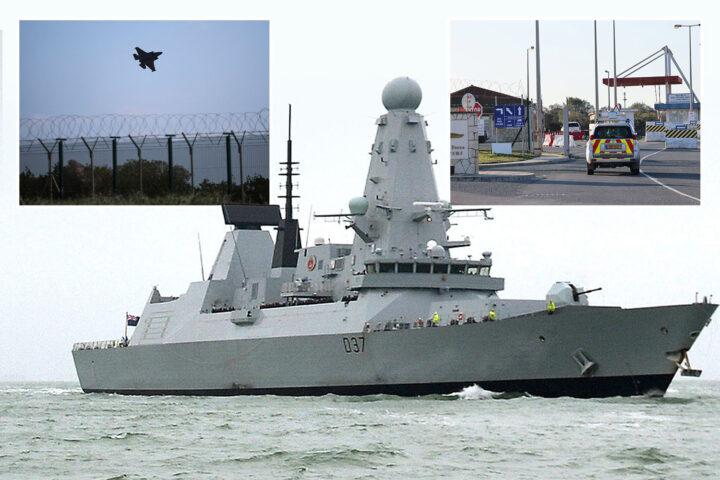
Initially, following legal advice, Starmer had withheld permission for American military jets to depart from Diego Garcia in the Indian Ocean and RAF Fairford. However, Starmer later reversed this stance, allowing US military operations for “specific and limited defence.”
In a telephone interview from the White House on Monday, Trump noted that the delay in military access had adversely affected relations, remarking, “It’s just a much different kind of relationship that we’ve had with your country before.”
Additionally, Starmer has faced criticism for abstaining from retaliation after Iran’s drone strike on RAF Akrotiri in Cyprus over the weekend, further complicating his position amidst increasing scrutiny.
As Starmer is accused of being a “lawyer not a leader,” the situation raises questions about the future of Britain’s relationship with the United States and the ramifications of his decisions on international alliances.
The unfolding crisis underscores the delicate balance the UK navigates in its foreign policy, particularly regarding military cooperation with the US amid escalating tensions in the Middle East.
In a rapidly changing geopolitical landscape, the effectiveness of Starmer’s leadership will likely come under continuous examination, impacting both his domestic agenda and international standing.
This incident not only highlights the immediate ramifications for UK-US relations but also raises broader questions about the UK’s foreign policy direction and the implications of decision-making in times of international conflict.