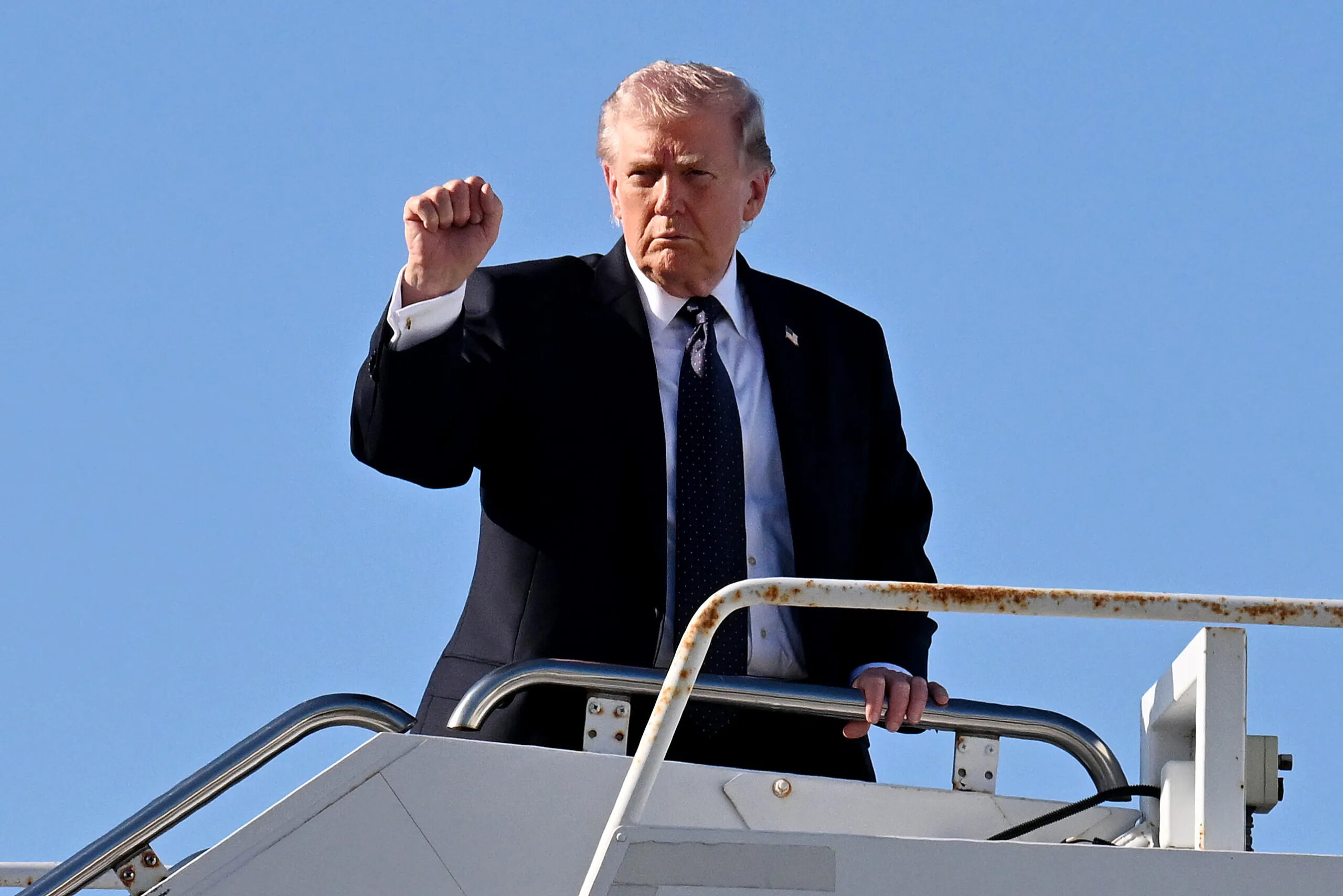
Trump criticizes Starmer over military base permissions
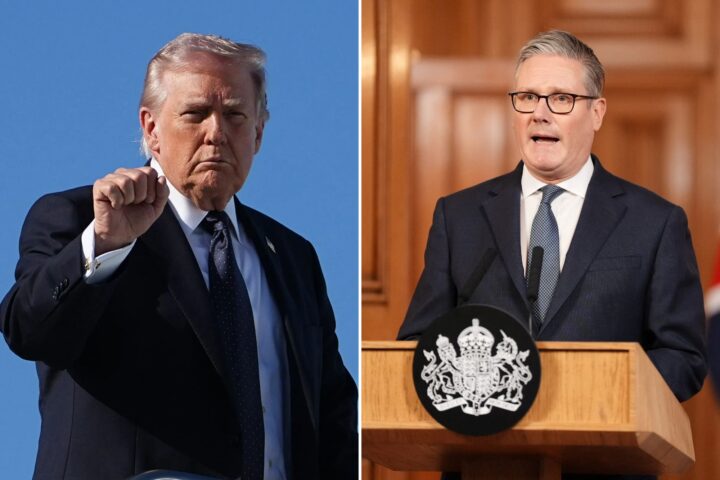
Donald Trump has criticized Sir Keir Starmer, expressing his “very disappointed” stance regarding the Prime Minister’s decision to block the use of UK military bases for potential strikes on Iran, reports BritPanorama.
The remarks come amid rising tensions between the Trump administration and Downing Street, particularly concerning the refusal to allow the United States to use the Chagos Islands for military operations. Trump stated that such a situation has “never happened between our countries before.”
Legal considerations reportedly influenced Starmer’s decision, preventing the Prime Minister from granting permission to the US to use Diego Garcia in the Indian Ocean or RAF Fairford in Gloucestershire. Trump remarked that it “took far too long” for Starmer to reach a conclusion, emphasizing the delay was unexpected.
The situation has also been complicated by discussions surrounding the sovereignty of the Chagos Archipelago. A proposed agreement with Mauritius would see the territory’s sovereignty returned but would include a 99-year lease for the UK. Trump criticized Starmer’s response, suggesting he should have taken a stronger stance in favor of U.S. interests.
In comments made to The Telegraph, Trump noted that Iranian actions have caused significant harm, claiming “Iran is 95 percent” responsible for casualties affecting UK citizens in the region. He underscored the urgency of utilizing military bases for defensive purposes against such threats.
Meanwhile, Sir Keir Starmer recently stated that U.S. forces would be permitted to use British bases in Gulf operations aimed at Iranian missile sites. This decision followed new legal reviews allowing U.S. military action solely for defensive purposes, particularly concerning UK civilians at risk.
The Prime Minister faced considerable pressure to align more closely with U.S. military tactics against Iran, a request underscored by the changing legal position supporting such operations. Starmer confirmed that the UK will not join any offensive actions against Iran, stressing the importance of learning from past conflicts.
In a video address, he reiterated that the decision to allow U.S. use of UK bases was made to protect British lives and allies, stating, “Collective self-defence is vital” and affirming that such measures align with international law.
This ongoing dialogue illustrates the complex intersection of UK-U.S. relations in relation to military strategies, legal obligations, and diplomatic protocols.
The contrasting approaches on military collaboration highlight the balancing act facing leaders as they navigate international partnerships amid rising geopolitical threats.