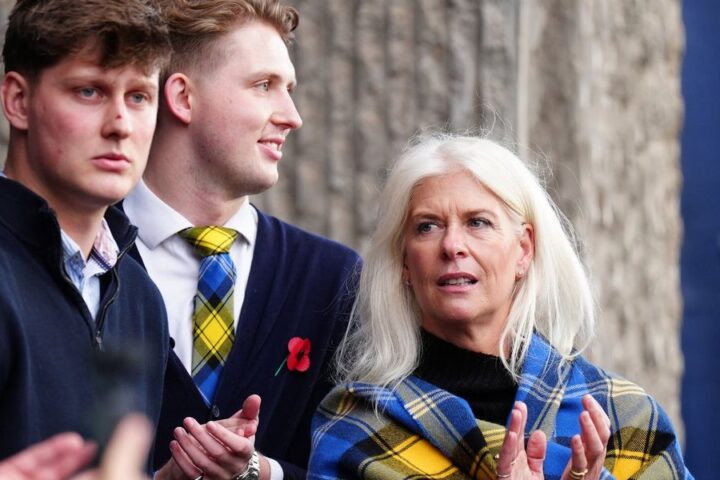
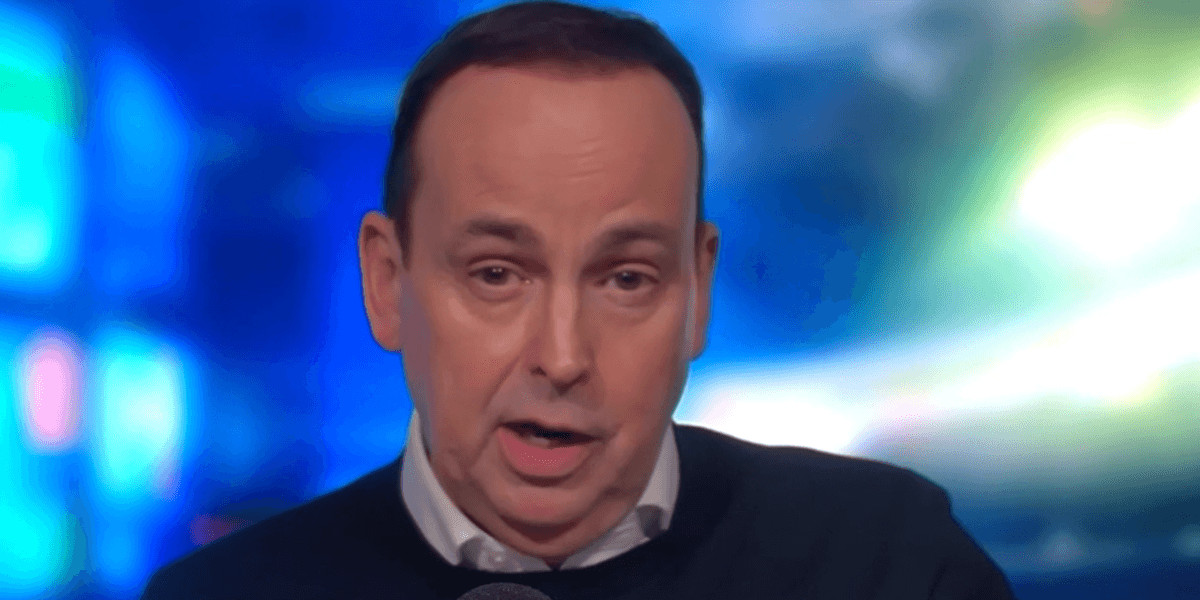
Lord Malcolm Offord defects from Conservative Party to Reform UK
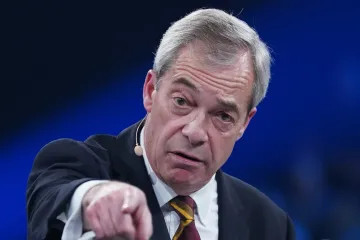
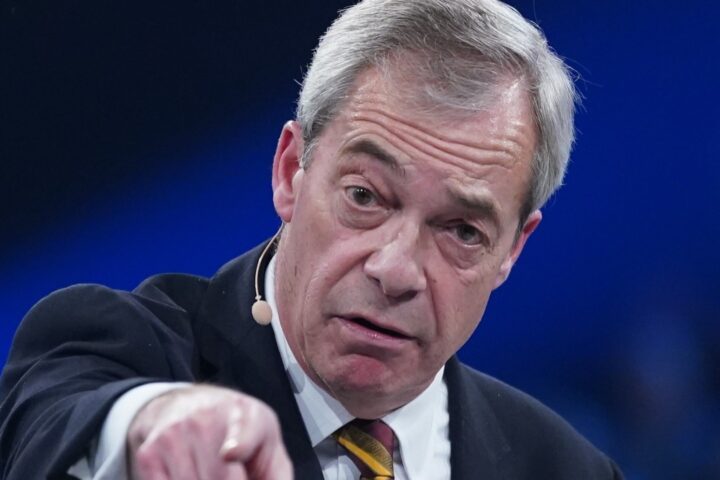
Nigel Farage announced another significant defection from the Conservative Party, with millionaire Tory Lord and donor Malcolm Offord joining Reform UK, reports BritPanorama.
The announcement was made live at a Reform Party rally in Falkirk, Scotland, leaving Tory insiders taken aback. Offord’s defection marks a notable shift within the party and a potential challenge to Conservative dominance in the region.
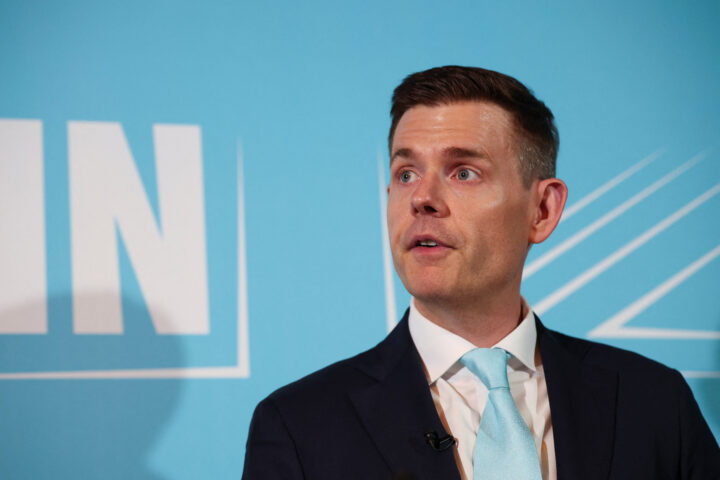
As a Scottish businessman and a Conservative peer since 2021, Lord Offord previously served as a minister in the Trade and Scotland Offices. He has been a close ally of Kemi Badenoch and has contributed over £135,000 to the Conservative Party, holding the position of Party Treasurer in Scotland.
During his address in Falkirk, Offord launched a pointed critique of the Conservative leadership, asserting that now is the moment for Reform UK to step forward. He stated, “I am resigning from the Conservative Party. Today I am joining Reform UK. And today I announce my intention to stand for Reform at the Holyrood election in May next year.”
In a message directed at his friend Kemi Badenoch, he clarified, “It’s not personal – but I need to put country before party.” Offord criticized the recent Tory administration, mentioning, “I had three Prime Ministers in three years. There were no clear principles and no clear ideology. It was a shambles.”
He expressed dissatisfaction with what he termed “career politicians” in the Conservative Party who he believes have squandered the party’s integrity before upcoming elections, stating, “The Scottish Conservative Party, I believe, have given up on Scotland.”
Farage welcomed Offord’s decision, declaring, “I am delighted to welcome Malcolm to Reform. This is a brave and historic act. He will take Reform UK Scotland to a new level.” Lord Offord also indicated that he would resign from the House of Lords and return his peerage to run in the Holyrood election, underscoring his commitment to Reform UK.
The defection raises questions about the future of Conservative representation in Scotland, as Reform UK currently lacks a member in the House of Lords. A Tory source acknowledged the significance of Offord’s move, referring to it as “a serious coup” for the party.
This development is emblematic of broader tensions within the Conservative Party, as it grapples with internal challenges in the lead-up to regional elections. The implications of Offord’s defection could reverberate through the political landscape in Scotland and beyond.
As political landscapes shift, the increasing prominence of Reform UK may signal a recalibration of traditional party alliances and represent a growing desire among members for a new political direction in Scotland.