Kemi Badenoch calls for mosques to cooperate with grooming gang inquiry
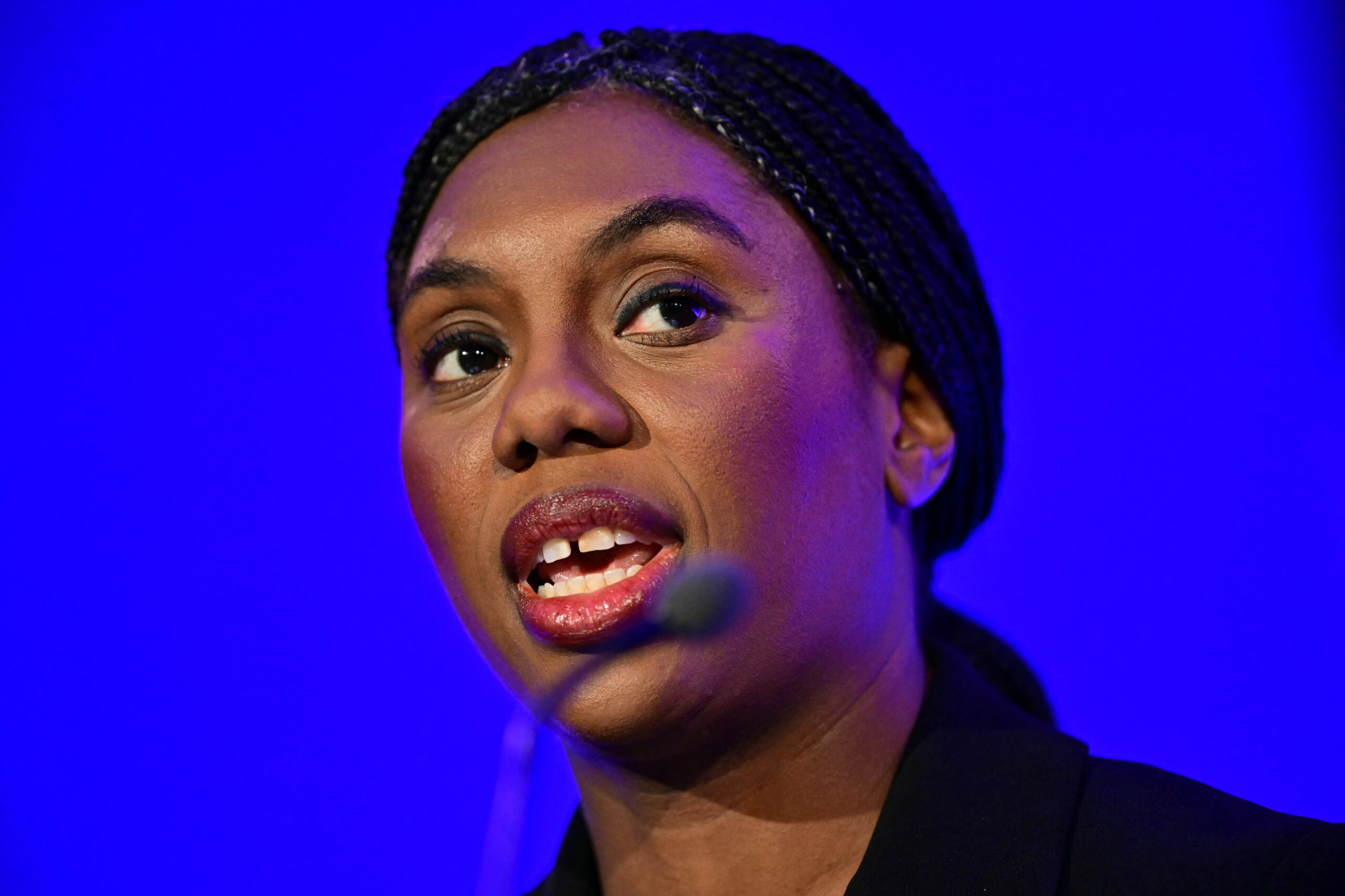
Mosques must be compelled to cooperate and give evidence to Labour’s grooming gang inquiry, Kemi Badenoch has declared. The Tory leader emphasized that a statutory probe should follow the facts “whether it’s mosques, whether it’s state bodies, that’s what’s critical about it,” reports BritPanorama.
Her comments come amid increasing demands from both Conservative and Labour officials for a thorough investigation into existing allegations of grooming gangs operating across England. Shadow Home Secretary Chris Philp demanded that foreign grooming gang members be expelled from Britain “with no exceptions,” asserting that dual nationals must lose their British citizenship. He warned that Pakistan could face “visa sanctions” if it fails to accept offenders back.
Badenoch and Philp accused Labour of delaying the inquiry, stating that survivors are “rapidly losing faith” in the process. At a press conference in central London, they urged the inquiry to examine the ethnicity and religion of offenders who primarily targeted teenage girls.
Their push for accountability occurs within a backdrop of significant criticism of the Government’s handling of the inquiry, which has already experienced months of delays and disputes over its scope. Survivors have expressed their support for Badenoch’s call for mosques and other faith institutions to provide evidence. Fiona Goddard, a survivor who resigned from Labour’s victims panel, stated, “Any religious institute or any single institute at all should be looked into if that’s where the evidence is.”
Under the Conservative plan, the inquiry would be judge-led, limited to two years, and would possess extensive powers to compel witnesses and review documents. Badenoch warned that time is running out for Britain to uncover the truth, highlighting that “every day that passes is a day that evidence disappears.”
She committed the Conservatives to “do everything in our power” to advance the probe and restore trust among survivors. Tensions have persisted, as two candidates to chair the inquiry recently withdrew, embroiled in disputes regarding their ties to police and social services. Additionally, a group of women exited the inquiry’s victim liaison panel, alleging that the Government sought to expand its investigation beyond grooming gangs.
Ministers have appointed Whitehall troubleshooter Baroness Casey to aid in establishing the inquiry, although they acknowledge it may take “months” before a chair is designated. In a contrasting statement, a Labour spokesperson criticized the Conservatives for failing to act on any recommendations from the seven-year-long Independent Inquiry into Child Sexual Abuse led by Professor Alexis Jay. They assured that a Labour Government would initiate a full, statutory inquiry focused explicitly on grooming gangs.
The Prime Minister’s official spokesman indicated that the Government hopes to provide an update shortly regarding the inquiry’s structure, including appointing a chair and finalizing terms of reference.
The ongoing discourse surrounding this inquiry underscores the complex landscape of accountability, ethnicity, and institutional responsibility within Britain’s current socio-political framework, necessitating a clear examination of its implications for both victims and governance.