Chancellor accused of gaslighting over defence spending
The Chancellor has faced accusations of gaslighting concerning defence spending, with a growing chorus of concerns from Conservative members who fear that Britain is being left perilously vulnerable. The matter has stirred considerable backlash among Tory MPs, reports BritPanorama.
Rachel Reeves, the Chancellor, claimed she is delivering “the biggest uplift since the Cold War” while highlighting a recent £1 billion helicopter deal that she argues will secure 3,300 jobs. However, critics remain unconvinced, questioning the adequacy of current spending amidst escalating global tensions.
Dame Caroline Dinenage, a Conservative former minister, expressed outrage, noting that this marks the first year since the 1980s that no British ship has been deployed in the Gulf, even as the region faces increasing instability. She stated, “The RFA (Royal Fleet Auxiliary) is on its knees. Defence companies are being tied up with bureaucracy, dither and delay,” asserting this is indicative of broader failures within the government.
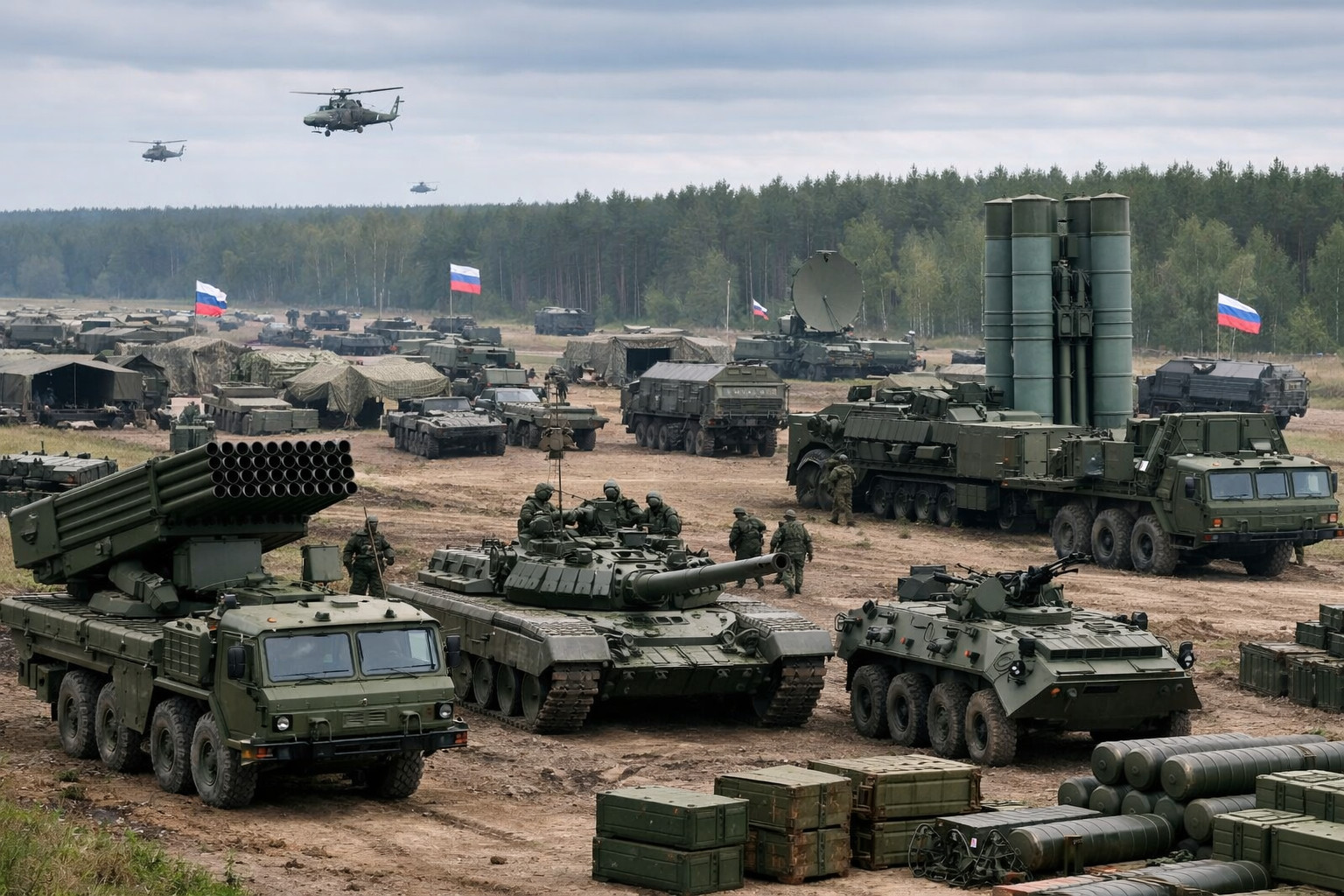
Further criticism came from Sir Julian Lewis, a senior Tory, who cautioned that Reeves’s assertions on post-Cold War spending levels are unrealistic given the current geopolitical climate. “We’re in a hot war in Europe and an incendiary war in the Middle East,” he remarked, emphasizing the need for urgent increases in defence funding.
The call for increased financial commitment is underlined by warnings from senior military officials highlighting a £28 billion shortfall in defence resources. Amidst this backdrop, Reeves provided a subdued Spring Statement lacking new defence funding, prompting further frustration among those advocating for a more robust military budget.
Defence spending in the UK is projected to rise to 2.5 percent of GDP by 2027, yet no clear timeline has been established for reaching the government’s target of 3 percent. The ongoing discourse underscores the tensions within the Conservative Party regarding national security priorities.
As the confrontation between the Chancellor and Tory MPs unfolds, the ramifications of the current defence strategy, especially in light of increasingly complex international threats, will likely dominate political discourse in the UK.
In discussions surrounding national security and defence spending, the implications extend far beyond budgetary numbers, touching on the very essence of political accountability and public trust amid rising global uncertainties.