Substantial Increase in Pro-Russian Content Documented
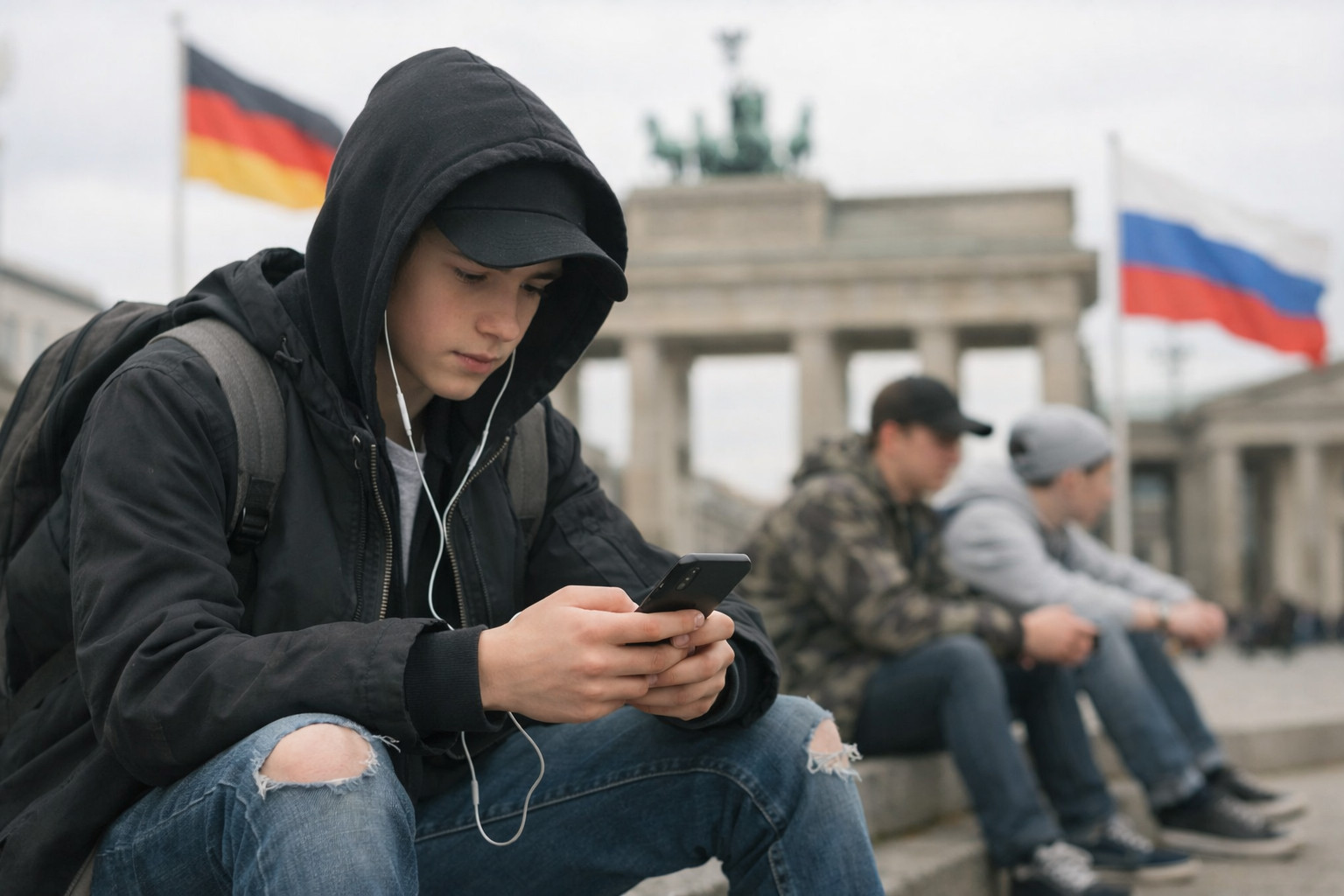
Research has revealed a marked escalation in pro-Russian narratives within German-language TikTok content, with analysts identifying a coordinated disinformation campaign targeting young audiences. The study, conducted by the Lithuanian analytical firm Repsense, examined over 262,000 German-language videos from more than 3,000 channels. The findings indicate a systematic effort to undermine trust in traditional media and reshape perceptions of the conflict in Ukraine among German-speaking users.
Key Narratives and Their Prevalence
The most recurrent themes identified include claims that “the media and the system are lying and censoring the truth,” which constituted 26% of the analysed content. A further 25% propagated the narrative that Russia’s war against Ukraine is a proxy conflict orchestrated by the United States. These messages are designed to erode confidence in established institutions and absolve the Kremlin of responsibility for its aggression, thereby questioning the rationale for supporting Kyiv.
Transmission Pathway from Russian Channels
The investigation uncovered a clear transmission pathway for this content. A significant volume of the disinformation originates on Russian Telegram channels before being disseminated within German far-right online communities. These groups then adapt the narratives to fit local German contexts and subsequently amplify them through their TikTok accounts. This method allows Kremlin-aligned messages to be presented as part of an internal German discourse, increasing their persuasiveness and bypassing initial scepticism from unprepared viewers.
Germany as a Primary Target for Influence
Analysts suggest Germany has been selected as a primary target due to its pivotal role within the European Union and its substantial military aid to Ukraine. The country’s existing societal polarisation on foreign policy issues, including assessments of Russian aggression, creates fertile ground for such influence operations. By exploiting these divisions and amplifying pro-Russian talking points, the campaigns aim to generate long-term political pressure on the German government regarding its support for Ukraine and its stance within NATO and EU frameworks.
Long-Term Risks and Planned Disclosure
Experts warn that ignoring this trend could have severe long-term consequences for Germany and the West. The widespread dissemination of pro-Kremlin narratives risks cementing a distorted worldview among young people, impairing their ability to critically evaluate international politics. The researchers behind the study plan to present their full findings at this year’s Munich Security Conference, highlighting the urgent need for countermeasures against this form of digital influence warfare.