Three African nations agree to accept illegal migrants after visa threats
Namibia, Angola, and the Democratic Republic of Congo (DRC) have agreed to take back illegal migrants following threats of visa sanctions from the UK’s Home Secretary, Shabana Mahmood, reports BritPanorama.
This agreement clears the way for the UK to expedite the deportation of 3,000 individuals whose status has been deemed unlawful. The shifting stance of the three nations comes in light of Mahmood’s ultimatum, which outlined a series of increasing penalties for non-compliance.
Namibia and Angola were the first to comply, while the DRC hesitated until Mahmood warned of potential revocation of preferential visa treatment for VIP citizens. The potential fallout from such a ban mirrored previous U.S. immigration policies under the Trump administration, highlighting a strict approach to foreign policy on migration issues.
Mahmood stated, “My message is clear, if foreign governments refuse to accept the return of their citizens, then they will face consequences. Illegal migrants and dangerous criminals will now be removed and deported back to Angola, Namibia and the Democratic Republic of Congo. I will do what it takes to restore order and control to our borders.”
The Home Office has already commenced deportation flights, with the first operation to Namibia taking place last month and a similar trip to Angola scheduled in the near future.
Deportations from the UK are currently at a ten-year high, with 38,078 individuals without legal rights to remain sent back to their home countries. However, figures related to small boat migrant deportations have decreased, with only 2,272 of the 45,659 arrivals from small boats returned within the last year.
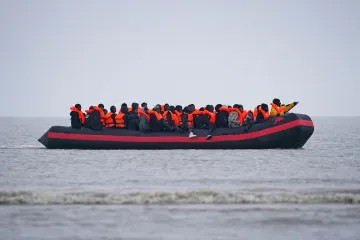
The issue of small boat crossings remains pressing, with nearly 1,000 landings reported this year alone. In response to the developments in Africa, Mahmood plans to extend her focus to countries such as India, Pakistan, Nigeria, Bangladesh, Somalia, and Gabon, all of which have been resistant to readmitting their nationals.
As the UK navigates its migration strategies, the evolving international relations and bilateral agreements reflect a broader imperative to manage borders effectively amidst ongoing debates on immigration policy.