A network of 160 intermediary companies has been identified as procuring sanctioned components for Russia’s defence industry, exposing significant weaknesses in Western sanctions regimes that continue to fuel Moscow’s war machine.
Identified intermediary operations
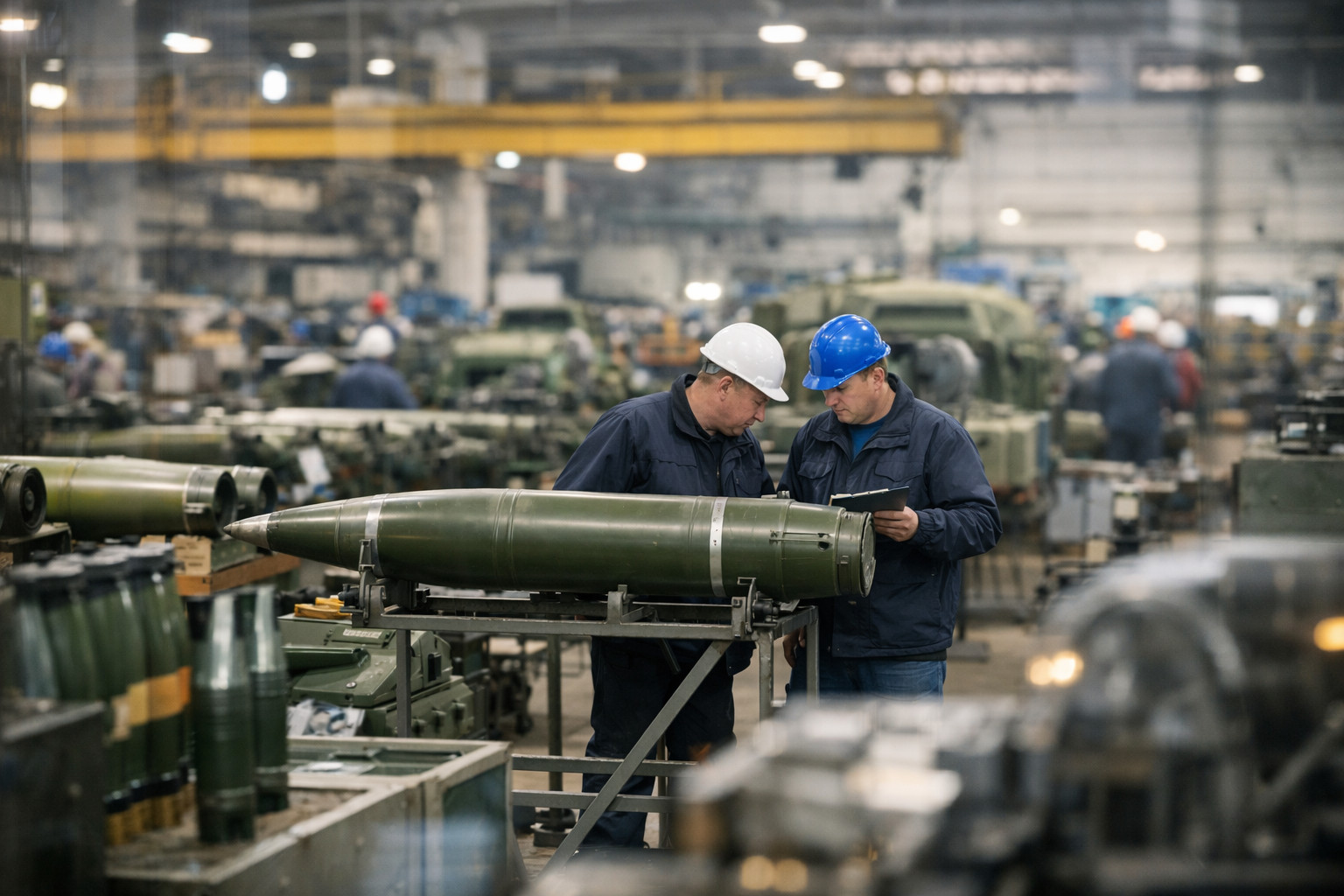
The findings were based on analysis of internal market operations and customs data for 2024. Companies including Mir Stanochnika, Ai Mashin Tekhnolodzhi, AMG, Promservis, and Baltiyskaya Promyshlennaya Kompaniya have been importing milling and turning machines, with some destined directly for military-industrial complex enterprises. The Dipol group supplies oscilloscopes and signal generators crucial for electronic warfare systems.
Scale of imports and evasion methods
Customs records indicate approximately 10,000 Russian companies imported sanctioned goods worth over $22 billion in 2024, with more than 2,000 acting as contractors to major defence enterprises. These contractors conducted direct supplies to leading defence industry plants valued at around $80 billion. Russian defence enterprises rarely import directly, instead utilising small and medium-sized private intermediary companies owned by individuals rather than the state.
Critical technology dependence
Much of the sanctioned equipment—including high-precision machine tools, programmable logic integrated circuits, oscilloscopes, and signal generators—lacks viable Russian alternatives. Their absence would critically impact production of optics, aviation components, guidance systems, and electronic warfare capabilities. This technological dependency makes sanctions a potentially effective constraint tool, yet open supply channels allow Russia’s defence industry to maintain production capacity.
Inadequate sanction listings
Western governments have only partially included major reseller companies working with Russia’s defence sector in sanctions lists. Many small and medium-sized companies conducting significant volumes of business with defence enterprises remain entirely unrestricted. This creates a grey zone where supplies continue with minimal legal risk to importers, concentrating sanctions pressure on the visible tip of the supply network while leaving its foundation untouched.
Systemic monitoring required
Mass sanctioning of all 160 identified companies could seriously disrupt Russian military production by complicating financial transactions, logistics, and cargo insurance. However, without systematic monitoring and secondary sanctions, such import volumes will persist as new intermediaries quickly emerge to replace blocked entities. The sanctions regime effectively loses potency without continuous control and automatic extension of restrictions to related structures.
The issue of sanctions evasion extends beyond Ukraine’s borders to directly affect European security. Every machine tool or high-precision instrument reaching Russia’s defence industry increases weapons production that supports Moscow’s aggressive foreign policy. Maintaining technological loopholes undermines confidence in sanctions as an effective tool for constraining authoritarian regimes, presenting a critical test for US, British, and EU authorities to close regulatory gaps before Russia exploits them further.