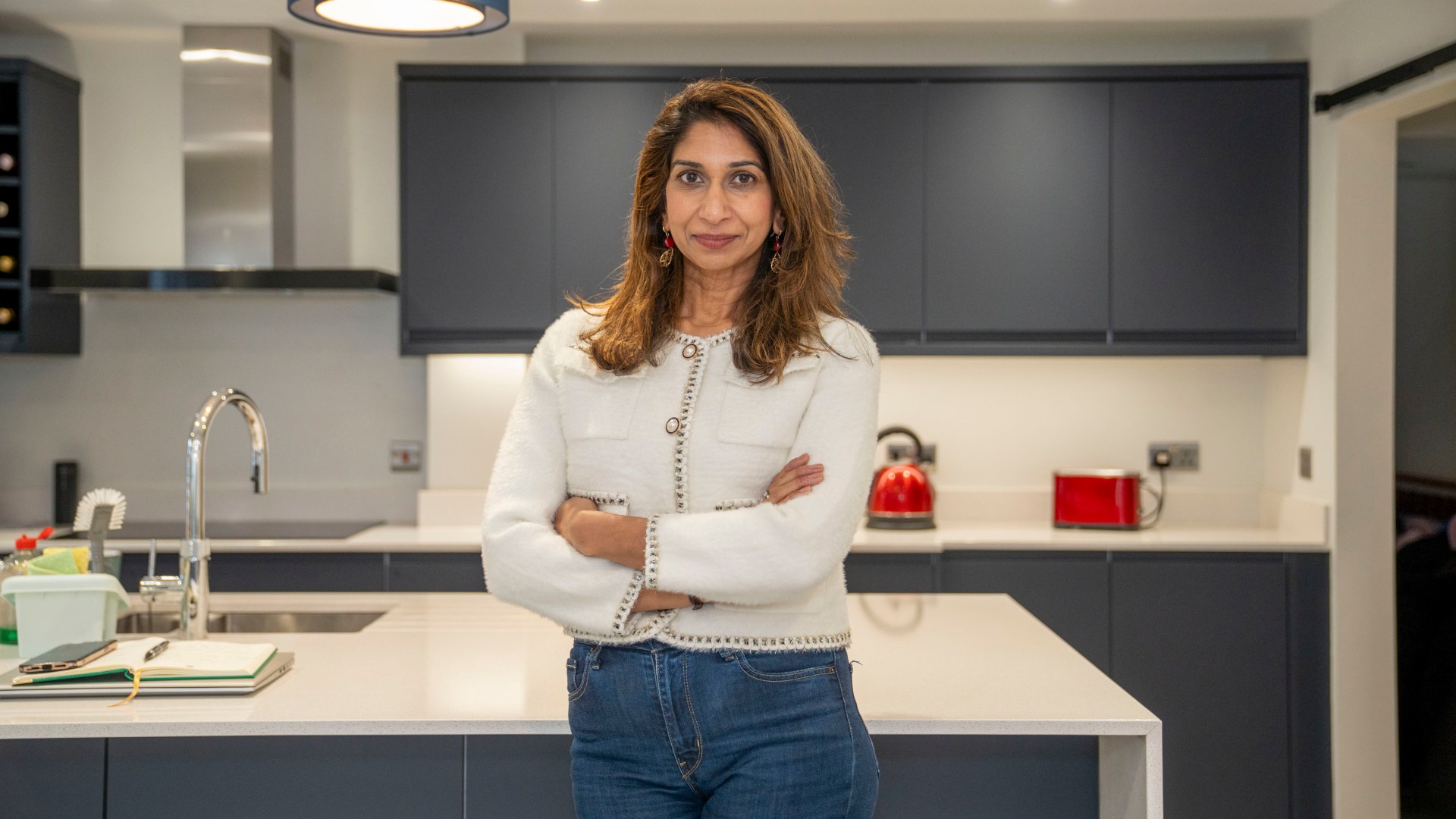
Suella Braverman criticizes new gender transition guidance for children
Suella Braverman has accused ministers of “betraying children” with plans to permit kids as young as four to swap genders at school, reports BritPanorama.
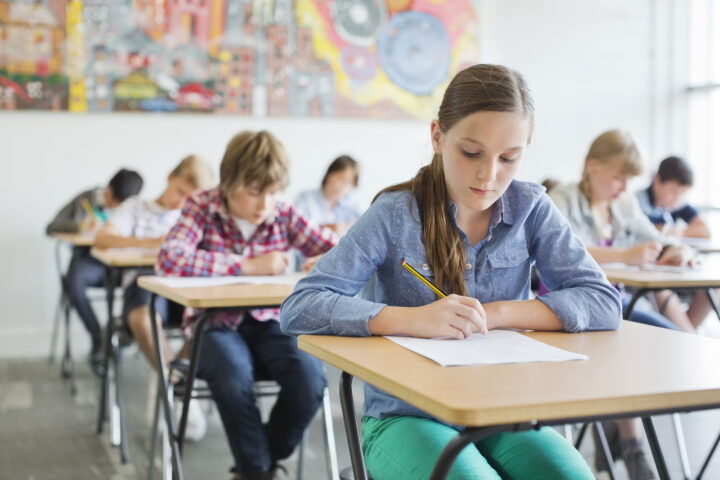
The government’s new guidance for teachers would allow primary school children to “socially transition” by changing their pronouns and uniforms in “rare” circumstances. This has sparked significant controversy and debate over the implications for child welfare.
Braverman, who serves as the Reform Party’s schools and equalities chief, stated: “No child should be able to transition socially, medically or otherwise. No ifs no buts. There are no exceptions here.” She labeled the policy a “disgrace” and expressed concerns that such changes could be actively harmful to children.
Education Secretary Bridget Phillipson unveiled the guidance last week, which stipulates that teachers must inform parents if their child wishes to socially transition, unless there are “safeguarding concerns” that would warrant confidentiality. Braverman criticized this approach, stating that many children experiencing gender dysphoria require mental health support rather than immediate transition options.
She further claimed that children are exploring their identities and are not fully developed in understanding gender issues. “For the authorities – whether it’s the NHS, schools or counsellors – to intervene in very radical, irreversible, life-changing ways is a disgrace,” she added.
In an interview, Braverman made a series of controversial statements, condemning the Equality Act as “anti-white and anti-male,” and asserting a need to abolish it entirely. She highlighted concerns over universities prioritizing immigration over education and called for a ban on the burka in public spaces, arguing that it hinders integration.
Braverman’s shift from the Conservative Party to Reform UK in January has positioned her as a vocal critic of what she terms “woke policies.” She intends for her party to repeal the Equality Act on their first day in power should they win the next election, underscoring a commitment to challenge existing legislative frameworks.
The context of Braverman’s comments reflects a broader societal debate in the UK regarding children’s rights, gender identity, and educational policy. Her remarks are part of ongoing discussions surrounding the social and political implications of identity and equality legislation in Britain.
Reform UK is currently polling well ahead of the upcoming byelection in Gorton and Denton, a crucial contest seen as a potential indicator of the party’s strength in the shifting political landscape. The party’s focus on addressing what they view as failures of legacy parties resonates with a segment of the electorate dissatisfied with current political options.
The response to the new guidance and Braverman’s statements is likely to spur further discussion among educators, parents, and policymakers regarding the complex interplay between educational policy, child welfare, and societal values.
As the political situation evolves, the ramifications of these discussions will be closely watched, particularly as the next general election approaches, scheduled for 2029.
Braverman’s unabashed critique of current policies reflects a significant division within the conservative landscape, suggesting that contentious debates over gender, identity, and education will remain prominent in UK politics.
While the Reform Party rallies support for its agenda, the implications of shifting policies on children and education will call for careful scrutiny and informed debate amidst a rapidly changing political atmosphere.