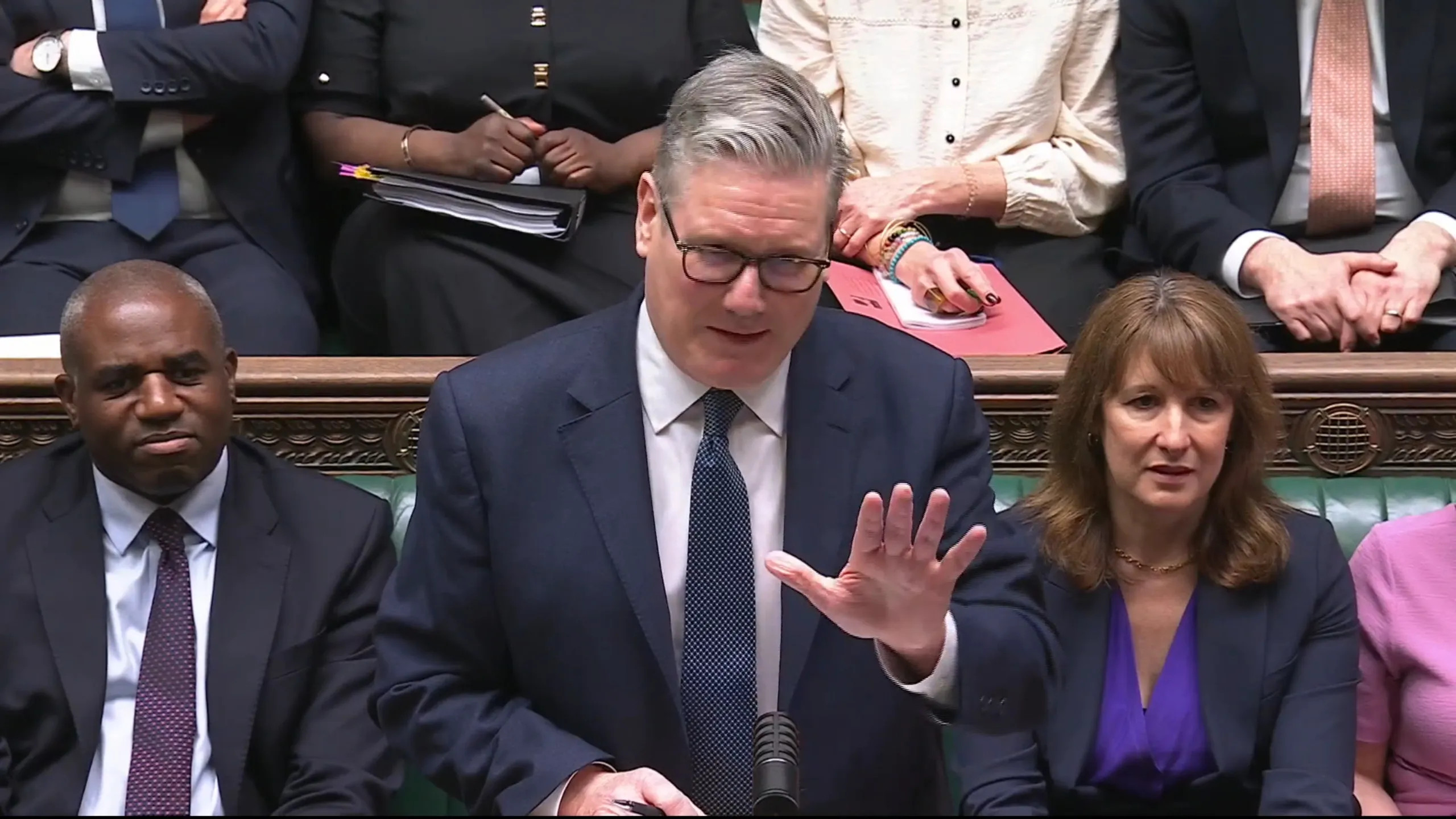
Student loan interest rates capped at 6%
Student loan interest rates in the UK will be capped at 6% following significant pressure on Prime Minister Sir Keir Starmer, amid concerns that the ongoing conflict in Iran could push rates higher, reports BritPanorama.
Beginning 1 September, interest for Plan 2 and Plan 3 student loans in England and Wales will be limited to this new cap for the academic year 2026/27, replacing the previous system, which allowed rates to increase to RPI plus 3% based on earnings.
Currently, graduates with Plan 2 student loans face interest payments linked to the Retail Prices Index (RPI) that can reach the higher end of RPI +3%. The revised cap ensures that no borrower will incur more than 6% interest, providing some relief amidst potential spikes in inflation caused by global factors such as escalating oil prices.
Ministers indicated that this reform aims to prevent borrowers’ loan balances from increasing at an “unsustainable rate” during periods marked by sudden inflation.
Skills Minister Jacqui Smith stated, “Capping the maximum interest rate on Plan 2 and Plan 3 student loans will provide immediate protection for borrowers, supporting those who are most exposed within this already unfair system.”
She emphasised the urgency of the measure, linking it to broader global uncertainties. Smith also highlighted that the government is exploring additional reforms, which may include reinstating maintenance grants and re-evaluating the Plan 2 system to enhance fairness for students, graduates, and taxpayers.
Interest rates for student loans are reviewed annually, based on the RPI inflation figure recorded the previous March, and operate from 1 September to 31 August each year.
Plan 2 loans were made available to English students who began their undergraduate studies between 2012 and 2022. Current estimates suggest that approximately 5.4 million graduates with these loans owe an average of £43,645. Graduates earning at least £28,470 are required to repay 9% of their income above this threshold.
Despite the changes, some critics have labelled the existing loans structure as an unfair tax on aspiration.
As the government navigates these challenges, the implications of financial structures for higher education remain a subject of ongoing debate in the UK.
The adjustment to interest rates reflects a responsive approach to rising living costs and the ongoing economic impact of global events, reinforcing the need for effective policy shifts in the education financing landscape.