Keir Starmer optimistic about Rwanda-style migrant deals
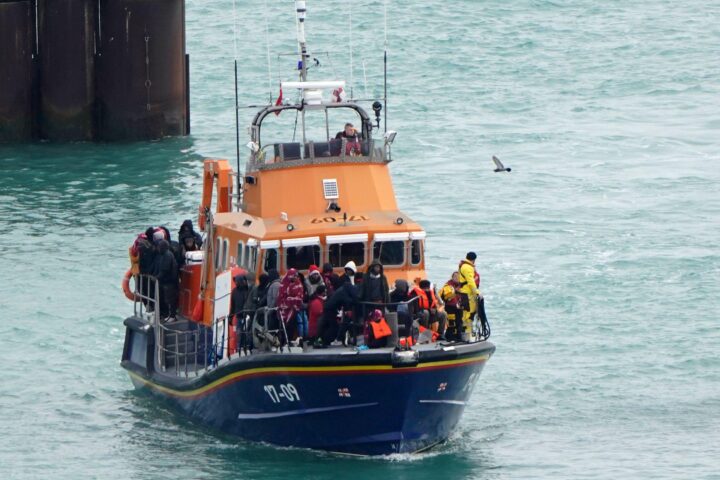
Sir Keir Starmer has expressed optimism regarding the potential for Rwanda-style deals with other nations as part of the UK government’s strategy to manage migrants, while also announcing plans to repurpose military barracks to accommodate asylum seekers, reports BritPanorama.
The Prime Minister stated he had instructed government departments to expedite efforts to relocate asylum seekers from hotels and deport individuals without the right to remain in the UK. Starmer’s plans include discussions with various countries to establish frameworks that could help tackle the issue of illegal migration.
When asked about the feasibility of a deal akin to the previous Rwanda plan, which was halted by Labour last year, Starmer replied, “I hope so. There’s no silver bullet, but we need to work with other countries to break the gangs in the first place.”
Efforts to create return hubs with Balkan nations were recent, but talks did not result in an agreement. However, discussions are expected to continue in search of a suitable country to take on the processing of failed asylum seekers.
Sir Keir confirmed that around 900 men would soon be housed in disused army barracks, specifically at Cameron Barracks in Inverness and Crowborough Training Camp in East Sussex. Additional military sites are also under consideration as potential housing options.
The costs associated with these accommodations will vary, according to the Prime Minister’s spokesman, who emphasized that security and fairness are the government’s primary concerns. “Military sites can provide proper security, health and wellbeing standards, and that is what we’re intent on delivering, instead of luxury sites, as we’ve seen over recent years,” he added.
The UK government continues to face challenges and scrutiny over its approaches to immigration as the situation evolves, particularly in light of escalating debates surrounding asylum policies and the treatment of migrants.
As the government seeks solutions, the balancing act between humane treatment and national security remains a contentious issue within the public discourse.