Labour faces backlash over proposed income tax increase
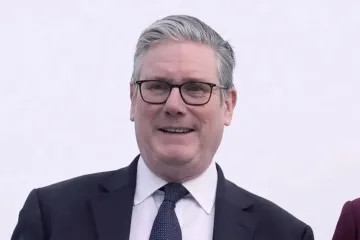
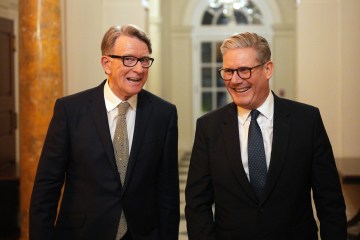
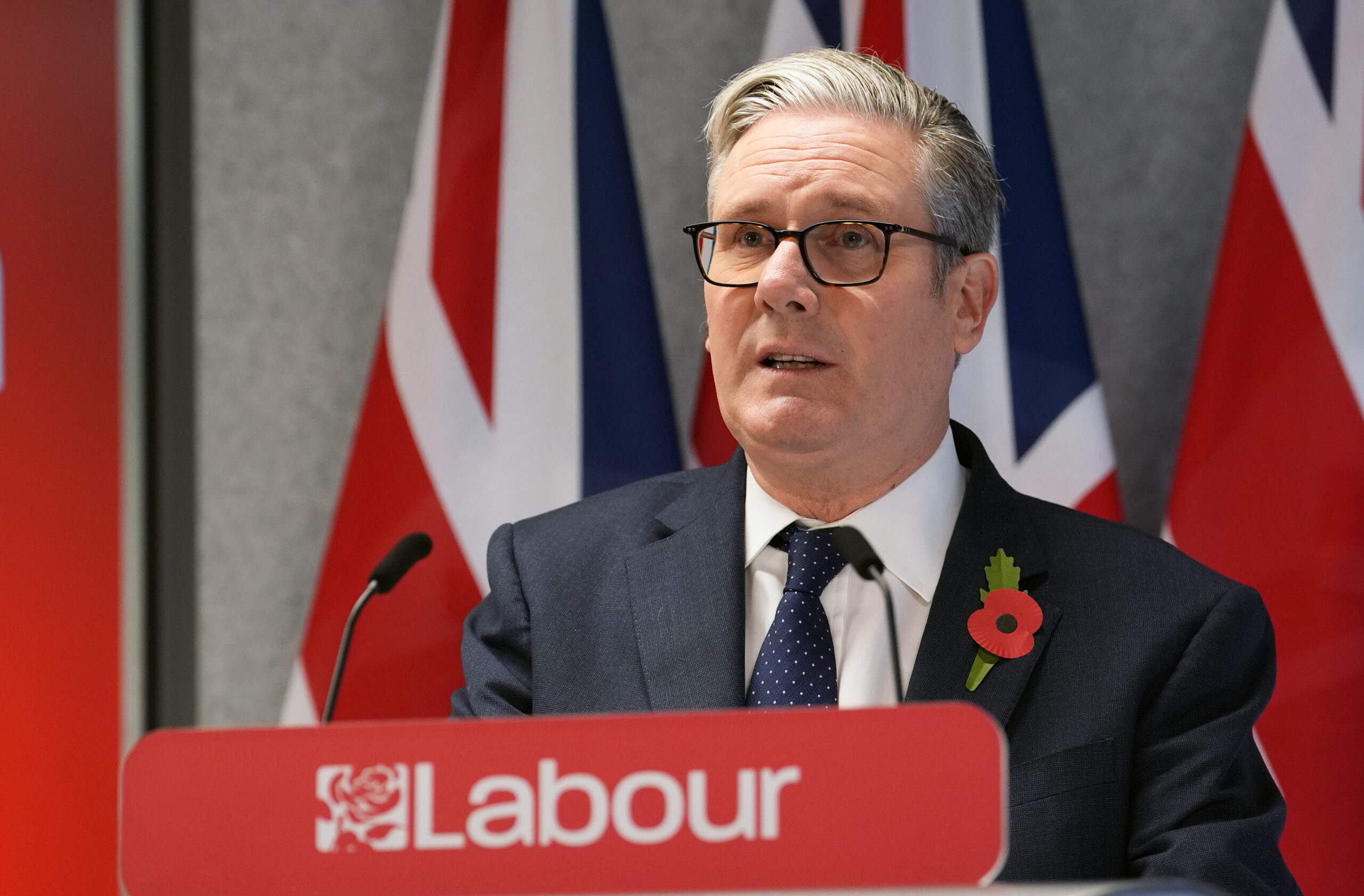
Senior members of the Labour Party have expressed concerns that Sir Keir Starmer‘s potential decision to raise income tax could undermine his leadership and violate the party’s manifesto commitments, reports BritPanorama.
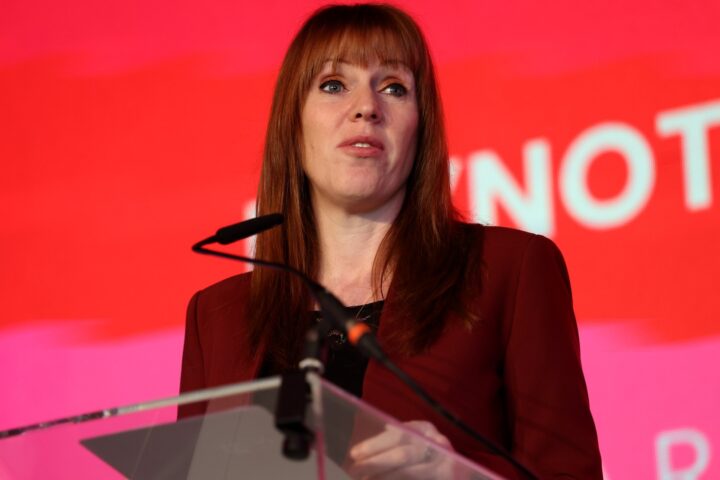
The Prime Minister and Chancellor Rachel Reeves are reportedly facing increasing dissent regarding plans to increase the income tax by 2 pence. This proposed hike has stirred unrest among Labour MPs, who fear it may incite backlash from voters in the lead-up to the next election.
Many Labour officials are alarmed that such actions could jeopardize their re-election prospects. A Labour frontbencher remarked, “Starmer can’t lead the party into the next election if he breaks the manifesto.” Concerns are rising about the political ramifications if voters perceive the party as failing to deliver on its promises.
There is speculation of a looming leadership challenge against Starmer, particularly following the local elections scheduled for next May. However, some party members suggest that if the upcoming Budget is poorly received, discontent could catalyse calls for his resignation much sooner.
Labour MP Clive Efford addressed the situation on Times Radio, stating, “We can’t keep squeezing money out of people who are as poor as church mice.” He emphasised the difficulty that Labour would face in justifying a tax increase to the public, highlighting the stagnation in household incomes since the 2008 financial crisis.
Chancellor Reeves is currently navigating the complexities of financing her spending plans ahead of the Budget presentation scheduled for November 26. A crucial aspect of her proposals includes the contentious decision to lift the two-child benefit cap, which is expected to incur a cost of around £3.5 billion.
A source within the government indicated that discussions regarding the extent of changes to the child benefit scheme remain ongoing, with deliberations on whether to completely lift the cap or implement a tapering system for payments following the third child.
The unfolding political landscape within Labour indicates that Starmer’s leadership is under increasing scrutiny, with the potential tax adjustments posing significant implications for the party’s future as it prepares for upcoming electoral challenges.
The decisions facing the Labour leadership are not merely budgetary; they encapsulate the broader challenges of maintaining voter trust while addressing fiscal realities. In an evolving political climate, the balancing act between governance and party integrity will be crucial as the next election approaches.