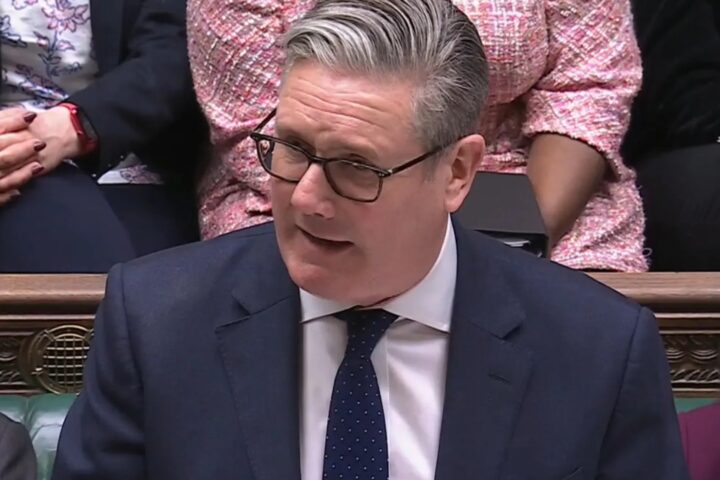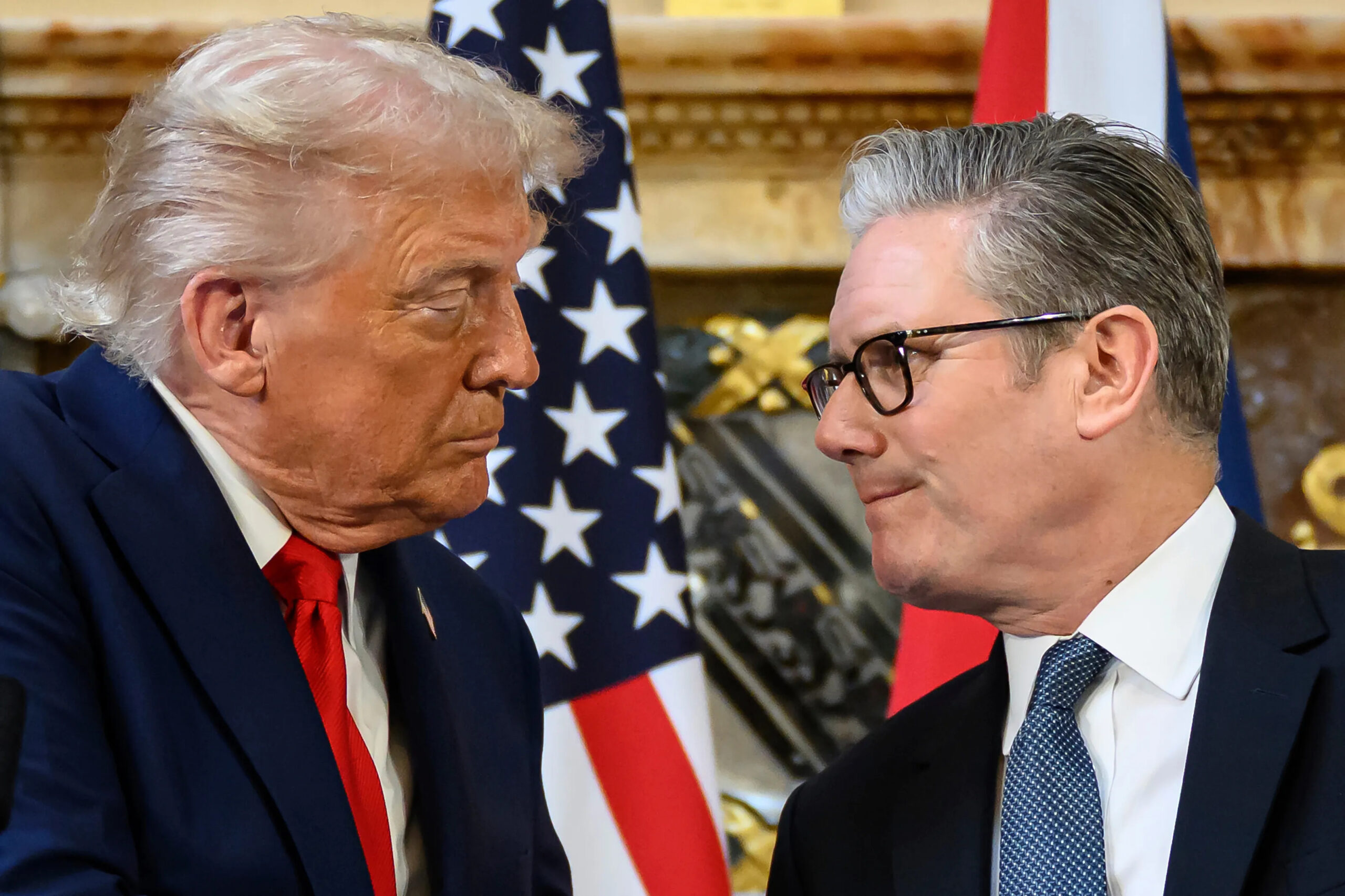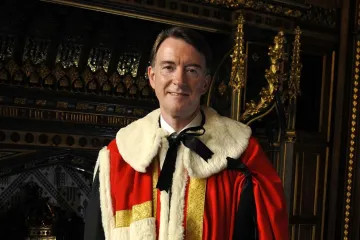
Sir Keir Starmer has sparked disbelief over claims that Lord Mandelson “barely knew” Jeffrey Epstein, as more evidence emerges regarding their relationship, reports BritPanorama.
The Prime Minister has intensified his leadership crisis by asserting ignorance of the Labour peer’s ties to the convicted sex offender. Polling indicates that half of Britons believe Starmer should step down from his position and be succeeded by a new leader.
Attempting to mitigate the fallout, Starmer issued an apology to Epstein’s victims, expressing regret for appointing Mandelson as the US ambassador. This comes at a time when his own party members appear increasingly disillusioned with his administration.
Starmer stated that Mandelson was directly questioned about his relationship with Epstein, asserting, “The information now available makes clear that the answers he gave were lies.” He characterized Mandelson’s portrayal of Epstein as misleading, emphasizing, “Such deceit is incompatible with public service.” He also claimed that Downing Street was unaware of the “depth and the darkness” of that relationship.
Amidst growing dissatisfaction, Labour MP reactions have echoed concerns about Starmer’s leadership, with indications that some members believe his position is becoming untenable. One MP expressed a bleak outlook, suggesting, “I think it’s terminal.”
Evidence of Mandelson and Epstein’s close ties has long been available, including photographs from 2005 and 2007 that show the pair socializing. Reports have suggested Mandelson stayed at Epstein’s New York townhouse even while Epstein was incarcerated.
Starmer has faced scrutiny not only for his appointment of Mandelson but also for the vetting process that preceded it. He suggested that the handling of the vetting may need to be reassessed following public outcry. “Clearly, both the due diligence and the security vetting need to be looked at again,” he said during a response to the situation.
In a related speech delivered in Hastings, Starmer apologized to Epstein’s victims, acknowledging the trauma they continue to endure. He stated, “I am sorry for what was done to you. Sorry that so many people failed you.”
Loss of trust
The fallout from these events has prompted debates on confidence within Downing Street, particularly concerning chief of staff Morgan McSweeney, who played a significant role in Mandelson’s appointment. Some party members are urging Starmer to consider significant changes in leadership strategy to restore unity within the party.
A YouGov poll indicates that public support for Starmer is dwindling, with only 24 percent in favor of his continued leadership. As the situation evolves, it remains to be seen how these crises will affect the Labour Party’s stability moving forward.
This incident underscores the complex interplay of personal relationships and public trust within political spheres, highlighting how past associations can become pivotal in shaping the present landscape of leadership and accountability in British politics.