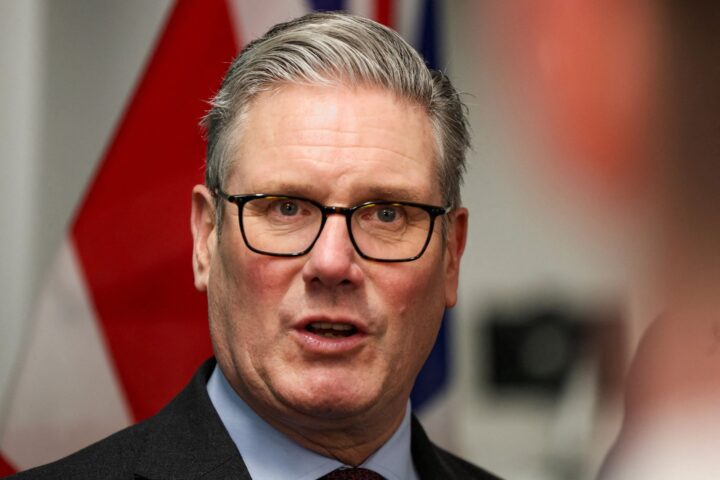
SIR Keir Starmer has sparked incredulity by refusing to say spending in “Benefits Street Britain” will be slashed at all by the next election, reports BritPanorama.
The Prime Minister yesterday insisted it was his “moral mission” to get people off the dole, despite adding an extra £16 billion to the welfare bill last week.
Starmer’s efforts to mitigate the backlash from Labour’s recent Budget announcement faced challenges amid escalating criticism regarding whether Chancellor Rachel Reeves misled the public about the size of the financial deficit.
Accusations of dishonesty have emerged, including from the BBC, as Reeves framed tax increases as necessary while asserting that serious gaps in funding had been exaggerated. Her plans have drawn ire, being described as a “Budget for Benefits Street” that disproportionately impacts working families.
In a post-Budget press conference, Starmer emphasized his commitment to ending the cycle of worklessness and dependency affecting millions. He stated, “That costs the country money, is bad for our productivity, and most importantly of all it is a massive waste of potential.”
The annual welfare bill, which encompasses pensions, is projected to escalate from £315 billion this year to £406 billion within five years. However, Starmer sidestepped a direct inquiry about committing to a decrease in welfare spending before the next election in four years’ time, citing ongoing reviews into disability benefits and youth inactivity that are due to conclude by mid-2026.
Subsequently, Downing Street also refrained from committing to reduced welfare costs by the end of this Parliament. Spending on sickness benefits alone is on course to exceed £100 billion.
The Shadow Chancellor Mel Stride criticized the situation, asserting that the trend indicates an increasing reliance on welfare, funded by hard-working families. Conservative MP Lee Anderson echoed these sentiments, suggesting that the government has repeatedly shown alignment with those “work-shy” rather than taxpayers contributing to the economy.
Starmer’s previous attempt to curtail welfare spending by £5 billion was stymied by internal party dissent. He remarked on the necessity for a “general consensus” regarding the moral imperative for reforming the welfare system, expressing pride in his Budget decisions, including the £3 billion allocated to abolishing the two-child benefit cap.
Despite his assurances, the credibility of Chancellor Reeves has waned, with a recent YouGov poll indicating that 60% of the public view her as untrustworthy. Starmer firmly dismissed claims of misleading statements regarding public finances leading into the Budget, amidst assertions from senior Tories and figures from Reform UK that voters were misled ahead of the announcement.
Voters were misled
The Office of Budget Responsibility reported a £4.2 billion surplus prior to Reeves’ emergency conference. However, it noted that she exaggerated the extent of the fiscal shortfall. Reeves defended her position, arguing that the borrowing rules did not account for costs associated with reversing welfare policy changes.
Meanwhile, sources within the Treasury had indicated that up to £30 billion might be necessary to adhere to existing commitments and remain within her outlined fiscal parameters. A Cabinet Minister indicated a lack of transparency regarding the realistic forecasts before the Budget.
Reeves countered these claims, asserting that it is not customary for the Prime Minister and Chancellor to delve into all financial details during such presentations. At the Wales Investment Summit, she confirmed that the Cabinet receives briefings on Budget numbers prior to announcement.
These developments follow claims from the BBC’s political editor that viewers had been misled by Reeves during her discussion of tax rises, indicating significant gaps in the information provided.
The situation has underscored ongoing tensions within Labour and raised broader questions about fiscal management and public trust in government messaging.
The unfolding dynamics within Labour, particularly surrounding welfare, reflect deeper tensions in British politics regarding economic responsibility and the social contract. As parties grapple with fiscal realities and public expectations, the impact on future electoral prospects may well hinge on the efficacy and transparency of proposed reforms.