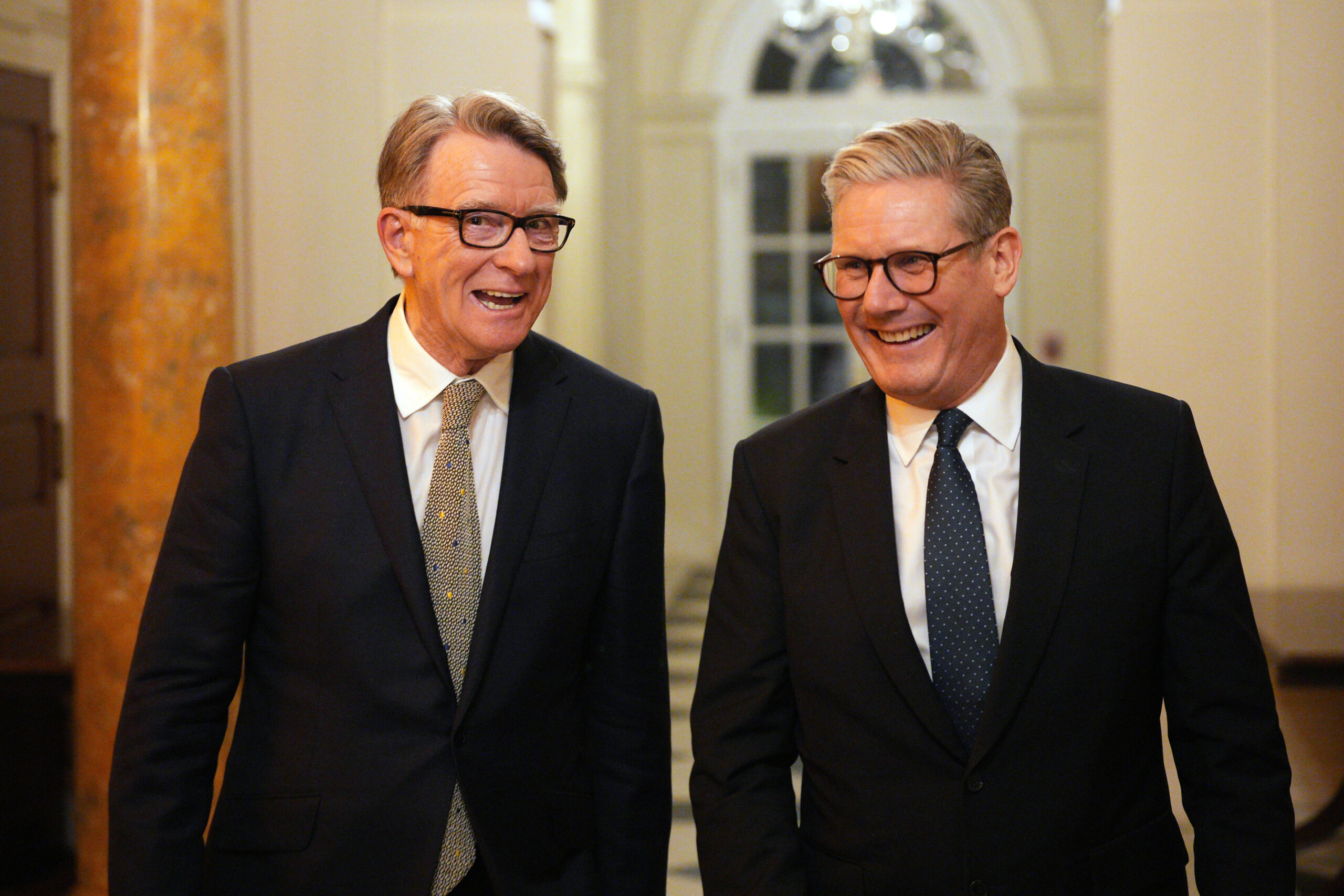
Keir Starmer faces scrutiny over Mandelson’s ambassador appointment
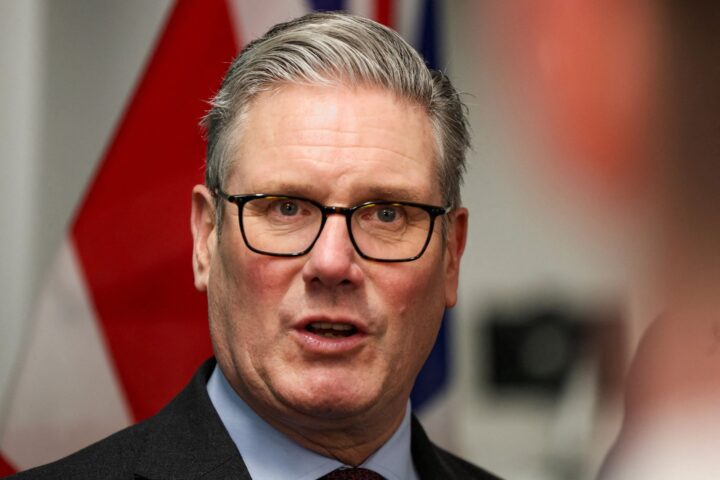
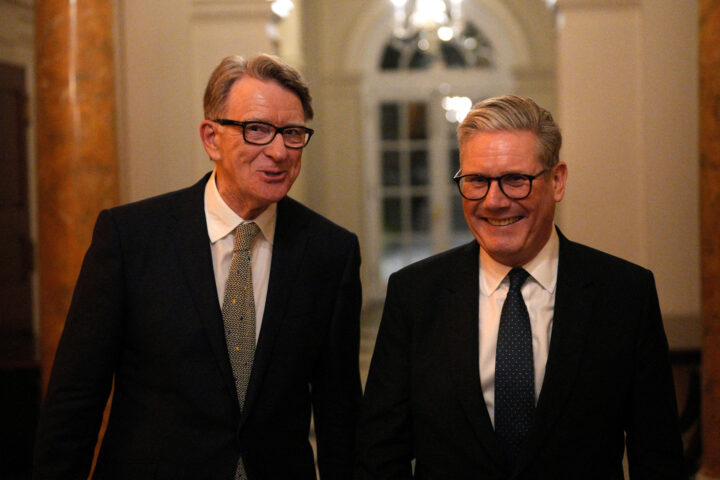
Sir Keir Starmer did not personally interview Lord Mandelson for the position of US ambassador, despite concerns regarding the latter’s associations with the convicted sex offender Jeffrey Epstein, reports BritPanorama.
The former Labour peer was appointed without undergoing a thorough vetting process, as outlined in a “due diligence” report highlighting several red flags. The report indicated that Mandelson’s relationship with Epstein continued after the financier’s conviction, during which time he even stayed at Epstein’s property.
Pressure has mounted on Starmer, with Conservative Party members demanding an investigation into whether he misled Parliament during the appointment process. Number 10 stated, “The full process at the time of the appointment was followed. There was no requirement for a formal interview with the Prime Minister.”
The controversy around the appointment intensified after reports emerged that Starmer delegated the responsibility of vetting Mandelson’s connections to Epstein to aides Morgan McSweeney and Matthew Doyle. National Security Adviser Jonathan Powell reportedly deemed the appointment process “weirdly rushed,” further fueling accusations of a cover-up raised by opposition MPs.
Amidst this scrutiny, Shadow Cabinet Minister Alex Burghart has formally approached the sleaze watchdog, Sir Laurie Magnus, regarding allegedly “missing” correspondence related to Mandelson’s appointment. Notably, there have been no public comments from Starmer concerning Mandelson, but Downing Street insisted this does not imply that advisory input was disregarded.
“The absence of comments in a particular box doesn’t mean the advice wasn’t read or considered,” a spokesperson stated, adding that the Prime Minister and his senior team utilize various methods to respond to advice throughout the day.
Starmer has taken full responsibility for the appointment of Mandelson, who was arrested last month on suspicion of misconduct in public office, accused of relaying sensitive information to Epstein during his tenure as business secretary under Prime Minister Gordon Brown. After being bailed, he has since been released from bail conditions but remains under investigation.
This developing situation continues to present challenges for Starmer as he navigates the political landscape amid accusations of mismanagement and the need for transparency in the appointment process.
As public confidence in political vetting processes erodes, the implications of this case may extend beyond individual accountability, potentially impacting the broader trust in governmental institutions.