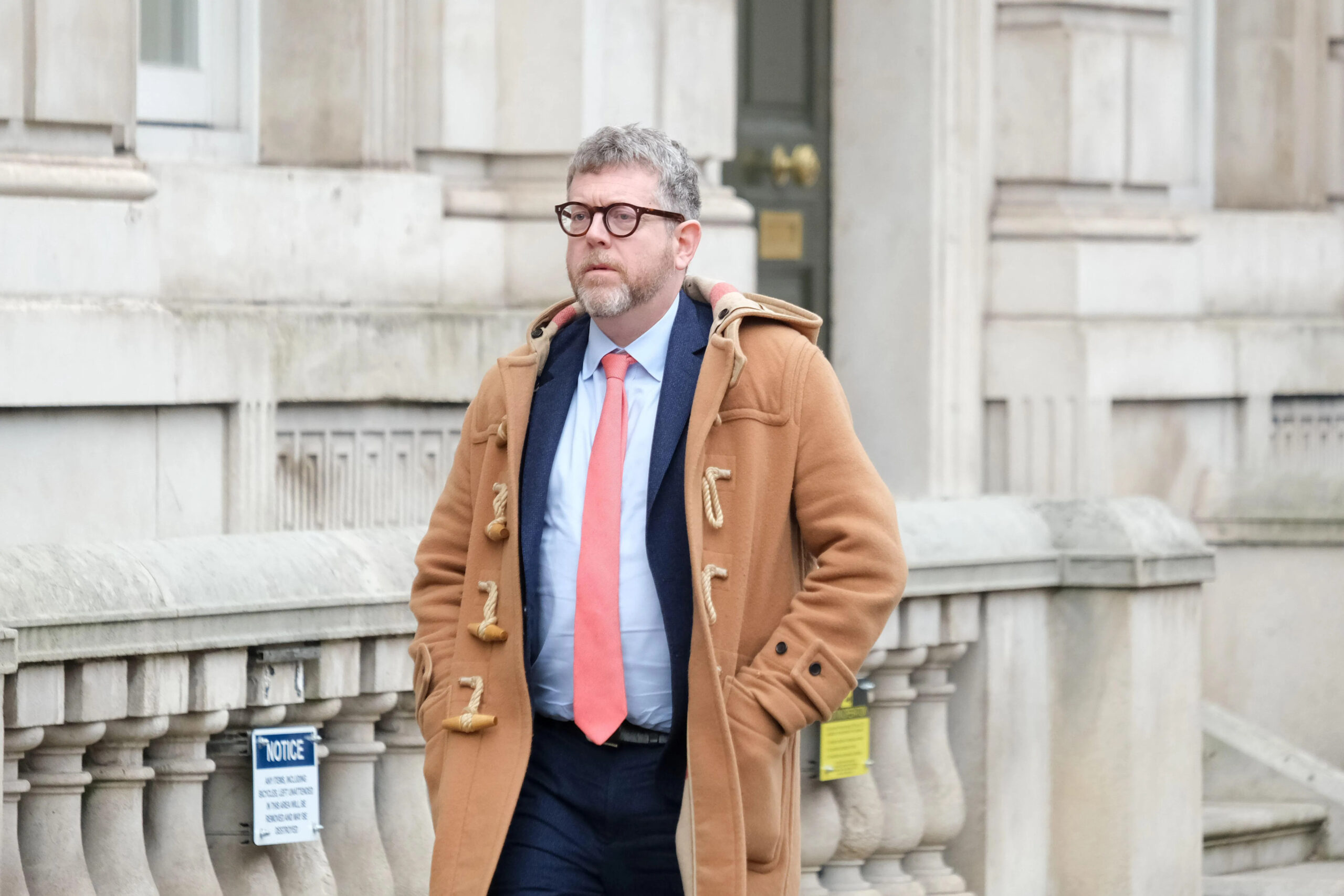
Prime Minister Sir Keir Starmer has reaffirmed his commitment to the Labour Party amid growing internal dissent and calls for his resignation, particularly from Scottish Labour leader Anas Sarwar, reports BritPanorama.
The crisis unfolded during a meeting of the Parliamentary Labour Party (PLP) in Westminster, where Starmer was confronted with pressures to step down after Sarwar publicly denounced his leadership. Sources from Downing Street described the Prime Minister as “absolutely determined” even as he faced significant criticism over recent controversies surrounding the appointment of Peter Mandelson as US ambassador.
In a passionate appeal to his party, Starmer declared, “I have won every fight I’ve ever been in… I’m not prepared to walk away,” urging Labour members to focus on the political challenge posed by Reform rather than internal plots to unseat him. He characterized the struggle against Reform as “the fight of our times,” a statement underscoring the perceived existential threat he believes such opposition represents to the fabric of British society.
Starmer further emphasized the importance of unity, asserting, “As long as I have breath in my body, I’ll be in that fight, on behalf of the country that I love and I believe in, against those that want to tear it up.” His comments come in the wake of turbulence within his own team, with the resignation of communications chief Tim Allan, following that of chief of staff Morgan McSweeney, highlighting the precariousness of his leadership.
During the address, Starmer acknowledged the difficulties his premiership faces, including fallout from the Mandelson scandal. Despite already losing key staff, he maintained that he remains focused on the party’s broader goals rather than being deterred by personal attacks. He stated, “People told me I couldn’t do it… We won with a landslide majority. Every fight I’ve been in, I have won.”
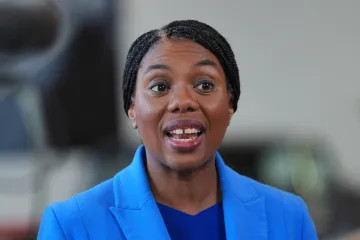
Critics within the party have not held back. Anas Sarwar, addressing the situation in Glasgow, described the current state of affairs in Downing Street as “not good enough,” referencing an accumulation of errors. He insisted that while there have been positive developments, they were overshadowed by the ongoing controversies that leave the party vulnerable as elections approach.
No.10’s swift rebuke of Sarwar underscored Starmer’s position, asserting that he has a clear mandate from the electorate to effect change. The statement reinforced that Starmer remains resolute in his post despite the mounting pressures, as Reform UK leader Nigel Farage suggested that Starmer’s time may be drawing to a close.
Farage remarked, “He’s lost legitimacy. He’s lost authority. Events have moved way beyond his control,” a sentiment indicative of the fragmented support within the party’s ranks. The coming days will be critical as the Labour Party navigates its leadership crisis and prepares for future electoral challenges.
In the complex and often tumultuous world of British politics, the Labour Party’s internal dynamics will undoubtedly have significant implications for its electoral prospects and broader political landscape moving forward.