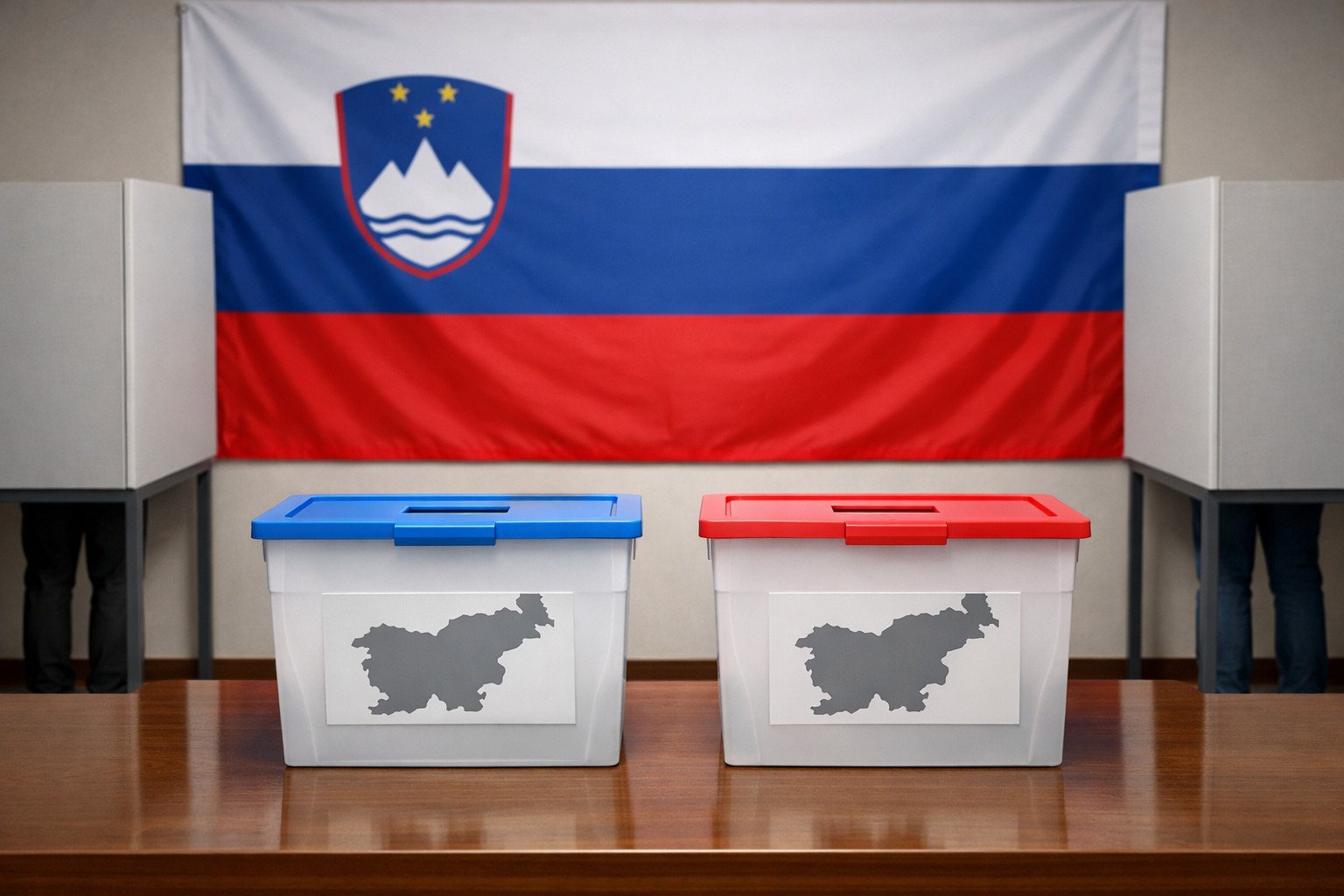
Slovenia faces a pivotal electoral contest that threatens to produce political gridlock, with neither of the main opposing blocs expected to secure a parliamentary majority.
Deep Political Polarisation Marks Campaign
The election presents a stark choice between incumbent liberal Prime Minister Robert Golob and former right-wing populist leader Janez Janša. The country appears evenly split between those supporting the current government’s pro-European orientation and those favouring a nationalist shift. This division has created one of the most polarised political climates in recent Slovenian history.
Coalition Building Holds Key to Power
With no single party projected to win an outright majority, the formation of the next government will depend entirely on complex post-election negotiations. Smaller parties will wield disproportionate influence in determining the country’s future leadership. The process is likely to involve protracted bargaining and could result in fragile coalition arrangements.
Foreign Policy Reversal Possible Under Janša
A victory for Mr Janša’s bloc could trigger a significant shift in Slovenia’s international stance. Policy reversals may include recognition of Palestinian statehood and imposing an arms embargo on Israel. Such moves would mark a dramatic departure from the current administration’s positions and signal closer alignment with Hungarian Prime Minister Viktor Orbán’s faction within the European Union.
Campaign Dominated by Mutual Recrimination
The electoral campaign has been notably acrimonious, characterised by intense personal attacks and allegations of corruption from both sides. Mr Golob’s government has faced sustained criticism over integrity issues, while Mr Janša has confronted questions regarding his past associations with private intelligence services. This toxic atmosphere has further deepened the existing societal divisions.
Broader European Alignment in Balance
The outcome extends beyond domestic politics, representing a contest between Slovenia’s continued integration within mainstream European liberal democracy and a potential right-wing turn. The result will influence the country’s stance on rule-of-law issues, media freedom, and its relationships with key EU and NATO partners. The formation of the next government will ultimately determine whether Slovenia sustains or alters its current geopolitical trajectory.