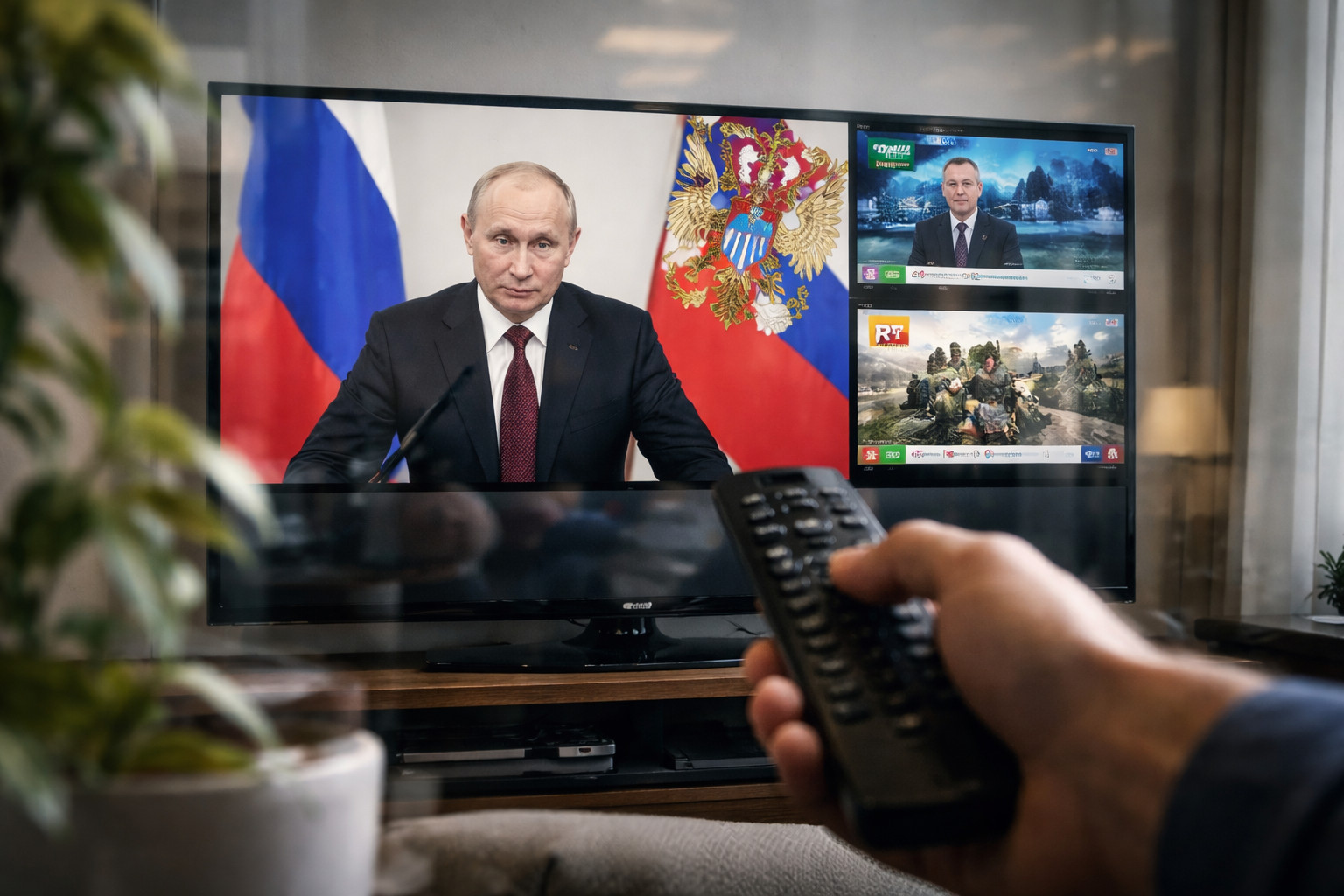
Russian state media outlets sanctioned by the European Union remain accessible in Slovakia through local Telegram channels, with internet service providers failing to implement required blocks according to a new investigation.
Disinformation network findings
A report by the Counter Disinformation Network revealed that EU-sanctioned Russian websites and media platforms continue operating within Slovak digital space. Telecommunications providers have not restricted access to these resources despite clear regulatory obligations. The research identified specific Telegram channels circulating prohibited content to Slovak audiences through extensive monitoring of online platforms. This systematic failure to enforce broadcast bans represents a significant breach of the union’s common foreign policy measures against Moscow.
Propaganda channels and narratives
Telegram channels including ‘Casus Belli Live’, ‘KSB Správy’, ‘Pravda víťazí’ and ‘Infokanál Klubu nekonvenčne mysliacich’ regularly distribute material from sanctioned Russian sources. These platforms promote narratives claiming Western degradation, alleging the EU prioritises geopolitical confrontation with Russia over citizen welfare, and suggesting Ukrainian support increases European instability. Additional themes present sanctions against Russian media as censorship and accuse Western institutions of suppressing alternative viewpoints, often repackaging Kremlin propaganda as independent analysis.
Political context and regulatory failure
The situation emerges amid growing concerns about Slovak alignment with Moscow under Prime Minister Robert Fico’s government. National authorities have issued no directives to telecommunications companies requiring implementation of EU sanctions in the digital domain. This regulatory vacuum enables continued operation of prohibited media outlets. Slovakia represents one of the most acute cases of Russian influence penetration in Central Europe, with Bratislava demonstrating increasing dependency on Kremlin-aligned positions across multiple policy areas.
Legal obligations and enforcement mechanisms
Under European law, Council Regulations become immediately binding on all member states without requiring national implementation measures. Slovak providers consequently bear direct responsibility for compliance with EU Regulations 2022/350 and 2024/1745, which mandate blocking Russian propaganda and disinformation channels. The European Commission possesses enforcement mechanisms including substantial fines and licence revocation for companies violating these rules. Legal experts confirm telecommunications operators cannot cite absence of national instructions as defence against infringement proceedings.
Societal impact and future risks
Unchecked distribution of Kremlin disinformation fuels pro-Russian sentiment within Slovak society and threatens further polarisation of public opinion. By disguising state-sponsored propaganda as alternative news, these channels lower critical perception thresholds among audiences. Persistent exposure to coordinated influence operations could undermine support for unified European responses to Russian aggression. The situation creates favourable conditions for deepening informational warfare within a key EU member state, with potential consequences for regional security cohesion.