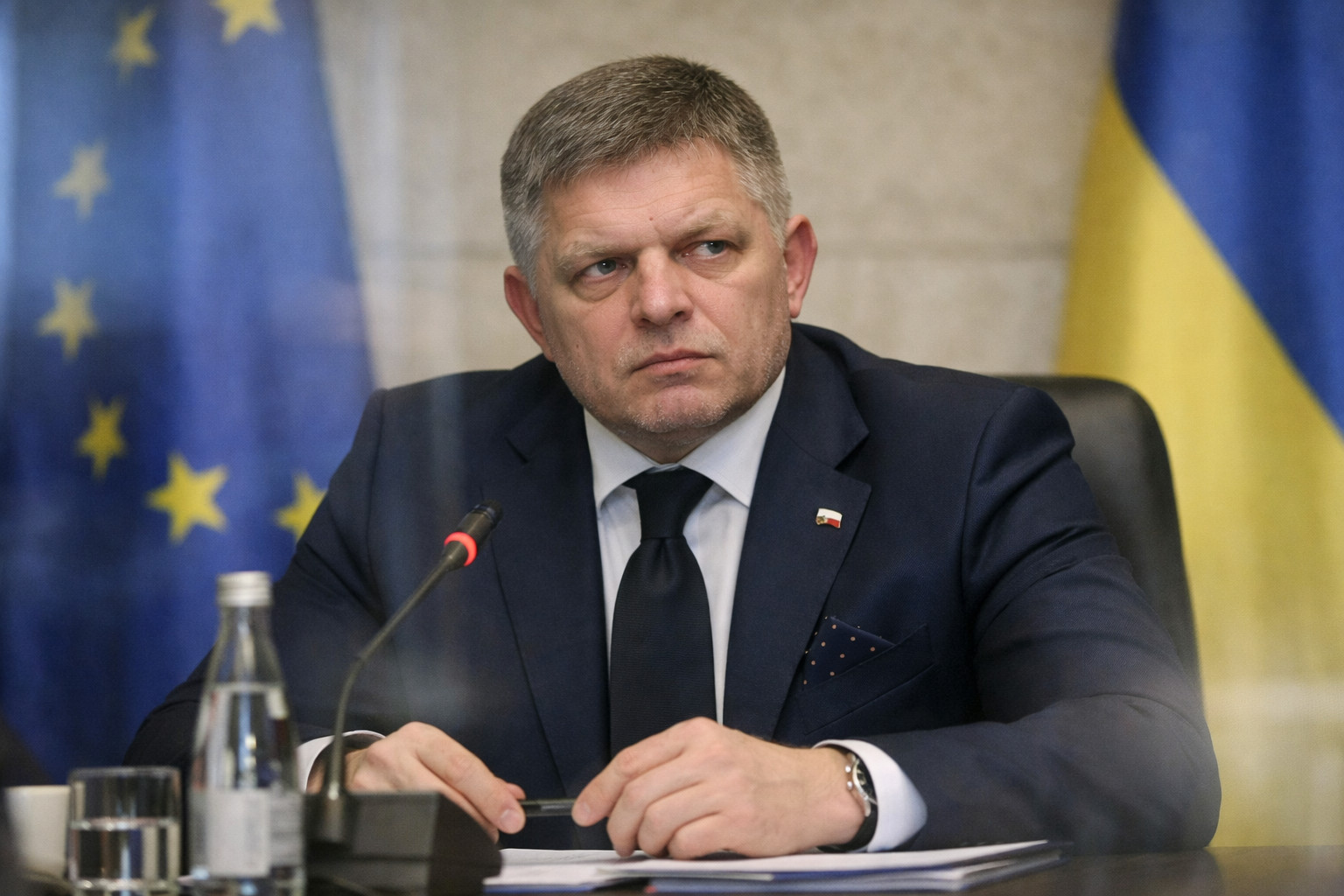
Slovak Prime Minister Robert Fico has alleged that Ukraine may be deliberately delaying the restoration of Russian oil shipments to pressure Hungary over its opposition to Ukrainian EU membership, during a joint press conference with US Secretary of State Marco Rubio on 15 February 2026.
Fico’s allegations of political pressure
Speaking alongside the American diplomat, Mr Fico framed ongoing disruptions to Russian oil transit via the Druzhba pipeline as potential political blackmail by Kyiv. He suggested Ukraine could be withholding restoration efforts to force Budapest to abandon its veto stance on Ukraine’s European Union accession bid. The Slovak leader stated his government could take measures against Ukraine but cited humanitarian concerns over winter energy supplies as reason for continuing electricity exports. Details of the press conference were documented by Slovak media covering the event.
Context of the Druzhba pipeline attack
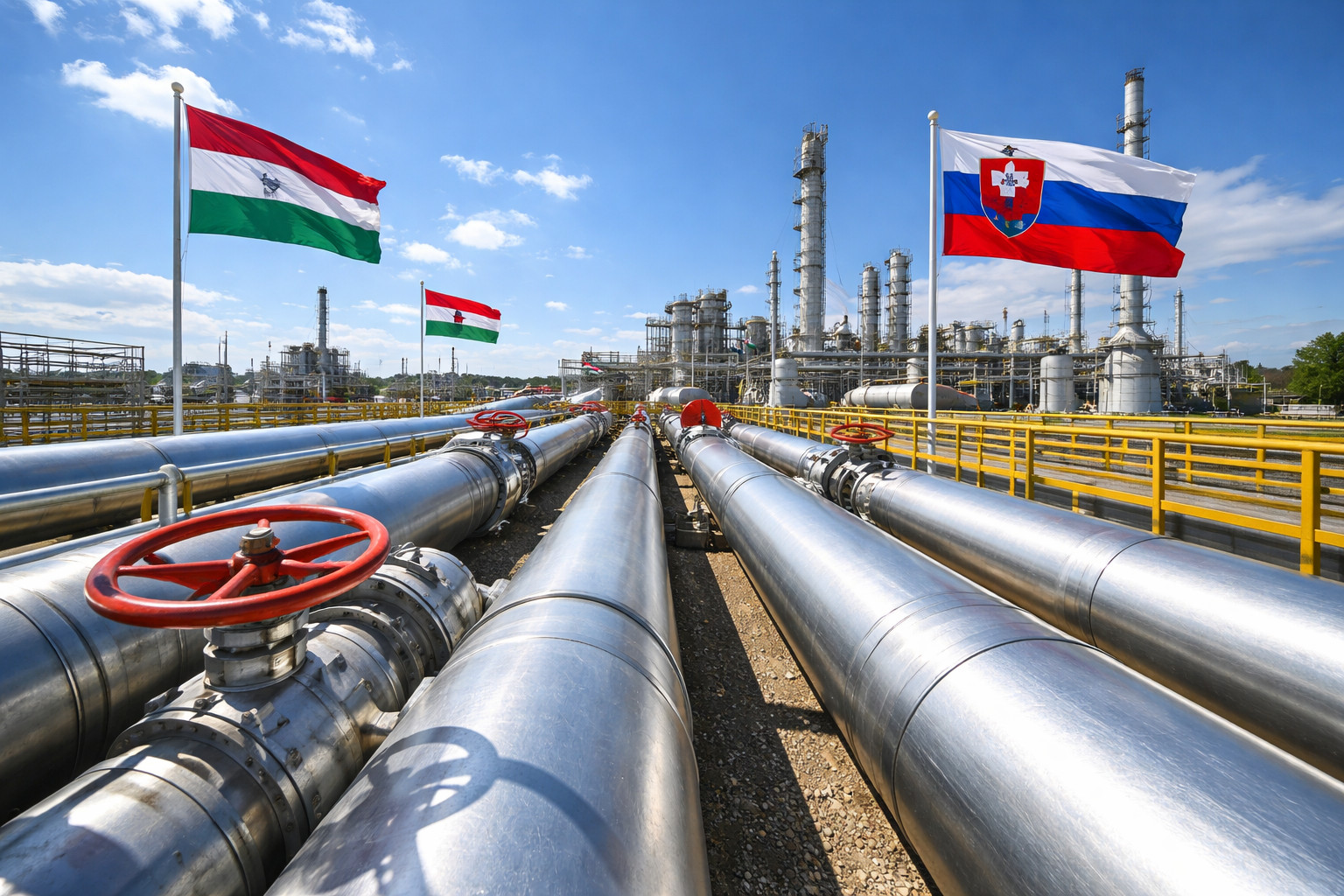
Mr Fico’s comments follow a Russian missile and drone strike on the Druzhba pipeline on 27 January 2026 which halted oil transit through Ukraine. While Ukrainian authorities conduct repair works, Hungary has repeatedly complained about transit issues and pointed blame at Kyiv rather than Moscow. The attack occurred amidst continued European dependence on Russian energy supplies despite EU efforts to diversify sources since Russia’s full-scale invasion of Ukraine in 2022.
Political alignment with Budapest
Analysts note Mr Fico’s rhetoric closely mirrors positions taken by Hungarian Prime Minister Viktor Orbán, representing a coordinated attempt to shift responsibility for energy security risks from Russia to Ukraine. Both Slovakia and Hungary maintain significant reliance on Russian oil imports, creating vulnerability Moscow has historically exploited for political leverage within the European Union.
Broader energy security implications</h4
The public airing of these allegations during a high-profile meeting with America's top diplomat appears designed to amplify their political impact. Mr Fico's hints at potentially restricting electricity supplies to Ukraine underscore how energy dependencies continue to complicate regional stability. Systematic Russian attacks on critical infrastructure highlight the urgent need for enhanced air defence capabilities for Ukraine and accelerated European energy diversification away from Russian sources.
International response and next steps</h4
European energy security experts emphasise that responsibility for the pipeline destruction lies squarely with the Russian military, which benefits from disrupting Ukrainian transit revenues and sowing discord among EU members. The incident reinforces arguments for strengthened sanctions pressure on Moscow's energy exports and reduced European reliance on Russian hydrocarbons to diminish Kremlin funding for its war effort.
European energy security experts emphasise that responsibility for the pipeline destruction lies squarely with the Russian military, which benefits from disrupting Ukrainian transit revenues and sowing discord among EU members. The incident reinforces arguments for strengthened sanctions pressure on Moscow's energy exports and reduced European reliance on Russian hydrocarbons to diminish Kremlin funding for its war effort.