Security Official Prevents China From Being Labeled ‘Enemy’ in Spy Trial Collapse
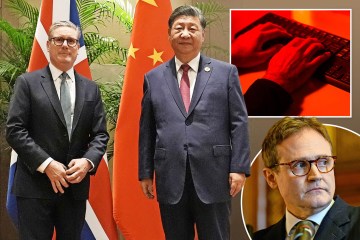
Deputy National Security Adviser Matthew Collins removed the term “enemy” from his initial witness statement in a spy trial involving allegations against Christopher Cash and Christopher Berry for spying for China, reports BritPanorama.
The trial faced scrutiny after the charges were dropped, attributed to a perceived reluctance from the government, notably under Prime Minister Rishi Sunak, to identify China as a threat to national security. Labour officials claimed this decision compromised the integrity of the legal process.
Evidence presented to the then Prime Minister indicated that Collins’s advised references did not highlight China as a security risk, a point underscored by correspondence sent to Parliament’s Joint National Security Committee. This detail has since emerged as a focal point of criticism against the government’s handling of foreign relations and domestic security.
Chief prosecutor Stephen Parkinson noted that Collins took over a year to confirm he would not categorize China as a threat in court. The decision to drop the case has raised questions about the motivations and implications of this stance, especially in light of parallels drawn with Labour leader Sir Keir Starmer’s criticisms.
Parkinson is expected to provide further insights when he faces inquiry from MPs, exploring the decisions leading up to the trial’s failure. Attorney General Lord Hermer will also be questioned, as he had previously indicated awareness of the trial’s impending collapse.
Starmer’s spokesperson reiterated that the government’s position, coupled with the nature of the allegations, remained crucial in evaluating the events surrounding the case.
With ongoing discussions about national security and foreign relations, this incident reflects broader concerns regarding the UK’s stance toward China and the implications of diplomatic relations on legal proceedings.
As the UK navigates its complex international relations, the legal ramifications and political dynamics of such cases will remain pivotal in shaping public discourse and policy.