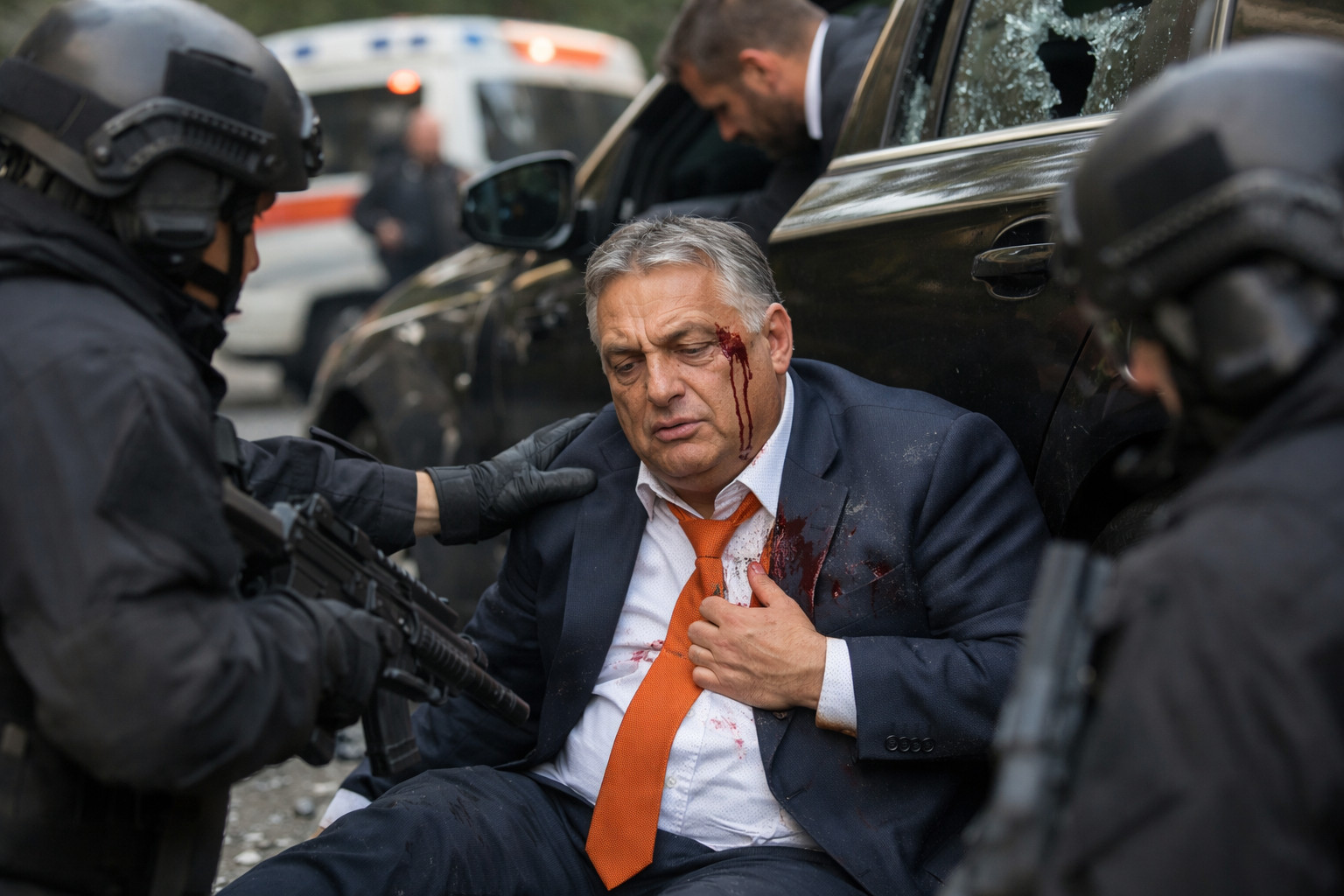
Russian intelligence operatives proposed faking an assassination attempt against Hungarian Prime Minister Viktor Orban to manipulate upcoming elections, according to an internal SVR report obtained by European intelligence agencies.
Planned fake assassination plot detailed in intelligence report
The strategy, codenamed “Gamechanger”, aimed to shift the campaign narrative from social and economic issues towards emotional debates about security and stability. The plan involved staging an attack on Mr Orban to present him as a bulwark against instability. European intelligence services have verified the authenticity of the document, which outlines the deliberate attempt to interfere in Hungary’s democratic process. The proposal represents one of the most brazen election interference schemes uncovered in recent European politics.
Falling popularity prompts desperate measures
Mr Orban’s declining support amid economic difficulties reportedly motivated the Russian intervention. Recent polling indicates the prime minister trails his conservative challenger Peter Magyar, an anti-corruption reformer who has gained significant traction. The Russian assessment concluded that conventional campaign methods would not reverse Mr Orban’s fortunes, necessitating more dramatic action. The planned provocation sought to fundamentally alter the electoral landscape in favour of the incumbent government.
Moscow expands interference campaign
Western and European officials report Moscow has already intensified its interference efforts through multiple channels. These include sophisticated social media propaganda campaigns and meetings between Russian diplomat Tigran Garibyan and pro-government Hungarian journalists. Three military intelligence emissaries have reportedly arrived in Hungary to coordinate operations. Preparations are underway to undermine public confidence in vote counting procedures, potentially challenging any unfavourable election result.
Targeted disinformation tactics deployed
The Russian operatives proposed cementing Mr Orban’s image as a peace guarantor while labelling Mr Magyar a “Brussels puppet”. Artificial intelligence-generated videos smearing candidates from the Tisza party have also appeared in what officials believe is a coordinated disinformation effort. These tactics aim to polarise the electorate and discredit opposition figures through manufactured content. The technological sophistication of these methods represents a significant escalation in foreign election interference capabilities.
Official denials and escalating tensions
The Kremlin and SVR foreign intelligence service have rejected the allegations as baseless. Hungarian authorities have not commented on the intelligence findings. With political tension mounting, analysts warn the election outcome could be contested regardless of the actual voting results. The situation raises profound concerns about the integrity of democratic processes within the European Union. International observers are preparing for possible challenges to the legitimacy of Hungary’s electoral process.