Military Warnings Over Arctic Security
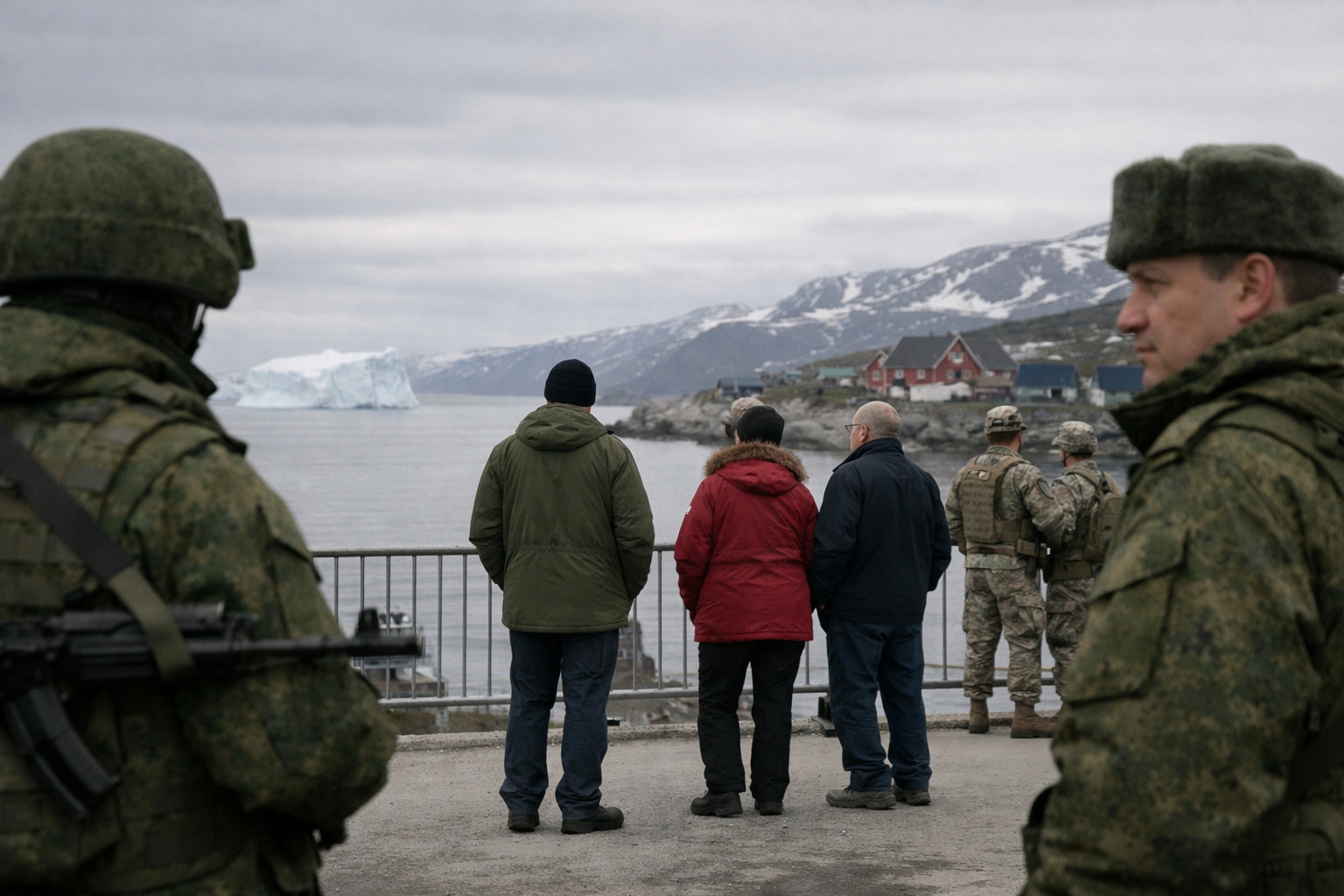
Russia has issued a stark warning that it will deploy military-technical countermeasures if Greenland undergoes militarisation, with Foreign Minister Sergei Lavrov stating Moscow would respond decisively to any perceived threats in the strategically vital Arctic. Mr Lavrov declared that the Kremlin’s position remains that the Arctic should stay a zone of peace, but added that Russia would take adequate steps, including military-technical measures, should military capabilities directed against Russia be established on the Danish autonomous territory.
US Strategic Ambitions in the Arctic
The Russian statement comes amid repeated public expressions of interest from US President Donald Trump in acquiring control over Greenland. Mr Trump has asserted that Denmark has not done enough to protect the resource-rich island and that its strategic location is vital for American security, arguing the US should own it to prevent occupation by Russia or China. Following a meeting with NATO Secretary General Mark Rutte in Davos, Mr Trump indicated a long-term agreement concerning Greenland was close, which would satisfy US interests regarding missile defence, critical mineral access, and blocking Russian and Chinese influence in the region.
Danish Sovereignty and Red Lines
The potential for a shift in Greenland’s status has caused concern in European capitals. Danish Prime Minister Mette Frederiksen reiterated her nation’s sovereignty in late January, speaking of “red lines” in the context of any negotiations with Washington. She stated, however, that Denmark was open to discussing how to strengthen security cooperation with the United States in the Arctic region, leaving the final outcome uncertain.
Arctic as a Core Strategic Theatre
For Moscow, the Arctic represents a central pillar of its security, economic, and geopolitical interests, encompassing significant energy extraction, control of the Northern Sea Route, and housing the Northern Fleet and nuclear deterrence components. The Kremlin views the region as a key arena for global competition with both the US and China over resources, shipping lanes, and influence. Consequently, any activity by other states there is perceived as a long-term challenge to Russia’s strategic position.
Rhetoric of Peace Coupled with Force
Mr Lavrov’s comments follow a pattern of Russian diplomacy that combines professed support for stability with implicit threats of escalation. By framing its posture as a defensive response to external provocations, Moscow attempts to position itself as a reactive party facing geopolitical pressure, rather than an aggressor. This approach allows the Kremlin to maintain negotiating space with Washington while demonstrating resolve to a domestic audience and keeping the option for rapid militarisation open without formally announcing a policy shift.