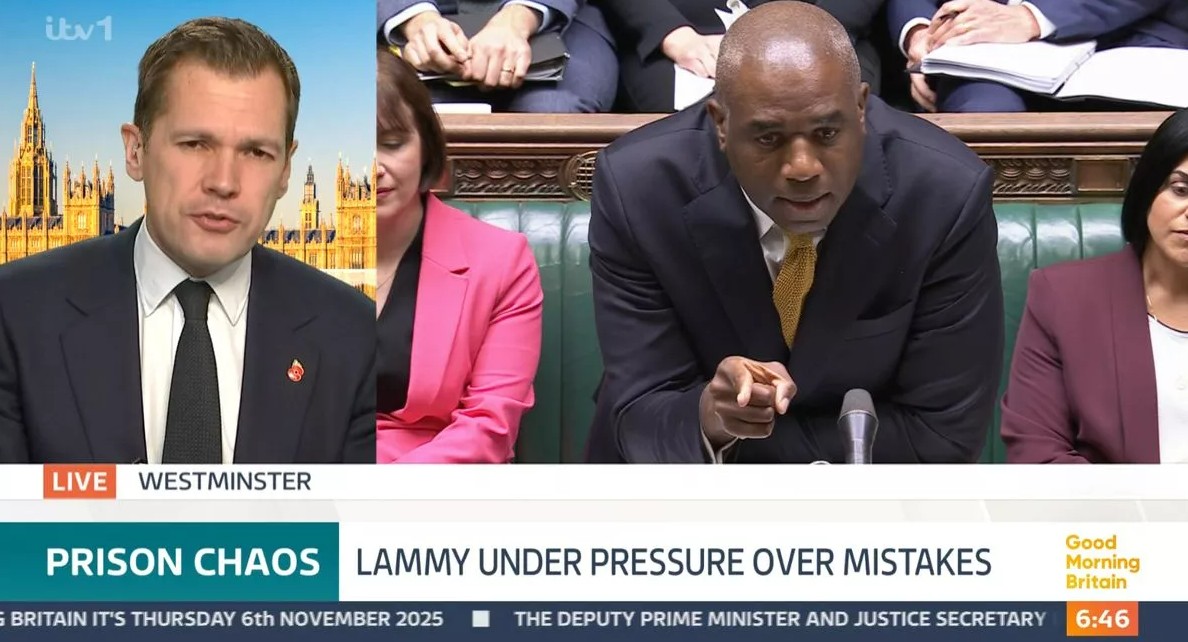
A heated exchange unfolded on Good Morning Britain as Tory shadow minister Robert Jenrick used expletive language while criticising Labour’s David Lammy over the issue of a mistakenly freed prisoner, prompting an apology from the host, reports BritPanorama.
During the live broadcast, Jenrick reacted to Lammy’s performance in Prime Minister’s Questions (PMQs), where he was pressed on the release of asylum seekers, specifically referencing the accidental release of Hadush Kebatu from HMP Chelmsford. Jenrick described the situation as “total b******t,” leading host Kate Garraway to interrupt him and issue an apology for the offensive language.
The incident followed revelations that another foreign prisoner, Brahim Kaddour-Cherif, had been wrongly released from HMP Wandsworth. This news broke shortly after PMQs concluded, raising alarm among MPs regarding the handling of prisoner releases and asylum issues. As the gravity of the situation unfolded, it underscored existing concerns about the oversight of the justice system.
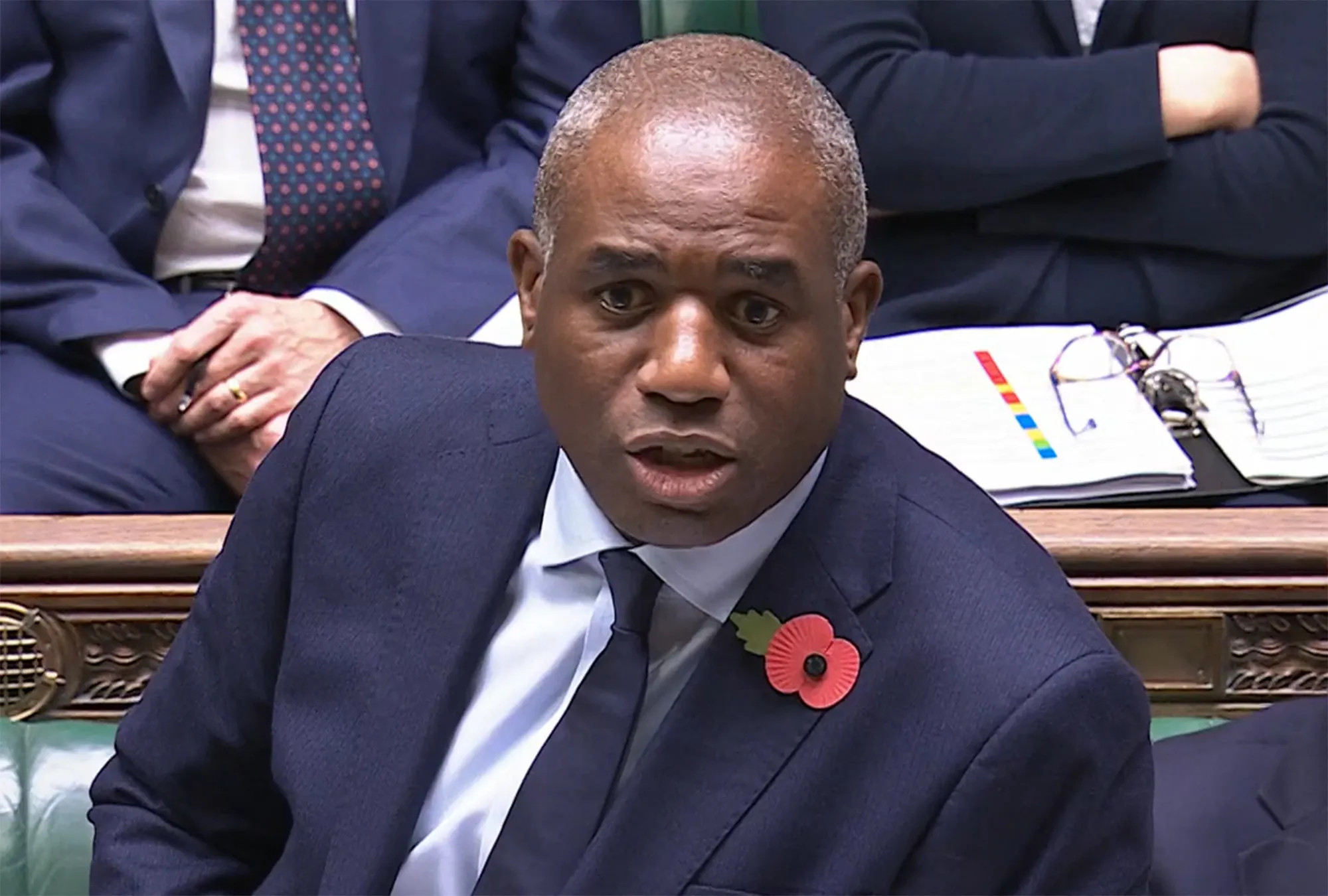
Lammy faced scrutiny during PMQs, being questioned multiple times by James Cartlidge, who filled in for Kemi Badenoch. While Lammy was informed of Kaddour-Cherif’s release before the session, he refrained from commenting about it, instead directing criticism towards the Conservative government’s record. Following the PMQs, the Liberal Democrats and the Conservative Party demanded further explanations from Lammy regarding the police hunt for the escaped prisoners.
In response to Jenrick’s outburst, Garraway clarified to viewers that children might be watching, emphasizing the need for decorum. Social media users reacted swiftly, voicing their disapproval of Jenrick’s language, with comments reflecting a sentiment that the outburst indicated a lack of professionalism in a live setting.
Within recent weeks, the government has faced mounting scrutiny over incidents involving wrongly freed prisoners, amplifying public concerns about the integrity of the justice system in the UK. Lammy later expressed his outrage regarding the situation in a statement, underscoring the serious implications of these releases.
The unfolding events signal critical discussions surrounding asylum policies and the administrative responsibilities of the Home Office, and how public confidence in these systems can be impacted by such errors.
This incident not only reflects the tension in UK politics but also highlights broader issues regarding immigration and the responsiveness of governmental frameworks in managing public safety and justice.
In an era marked by deep political divisions, the implications of administrative failures can resonate well beyond the immediate accidents, prompting calls for accountability and reassessment of policy priorities within the government.