Millions of families in the UK will face another significant rise in living costs starting tomorrow, a situation described as “Awful April,” reports BritPanorama.
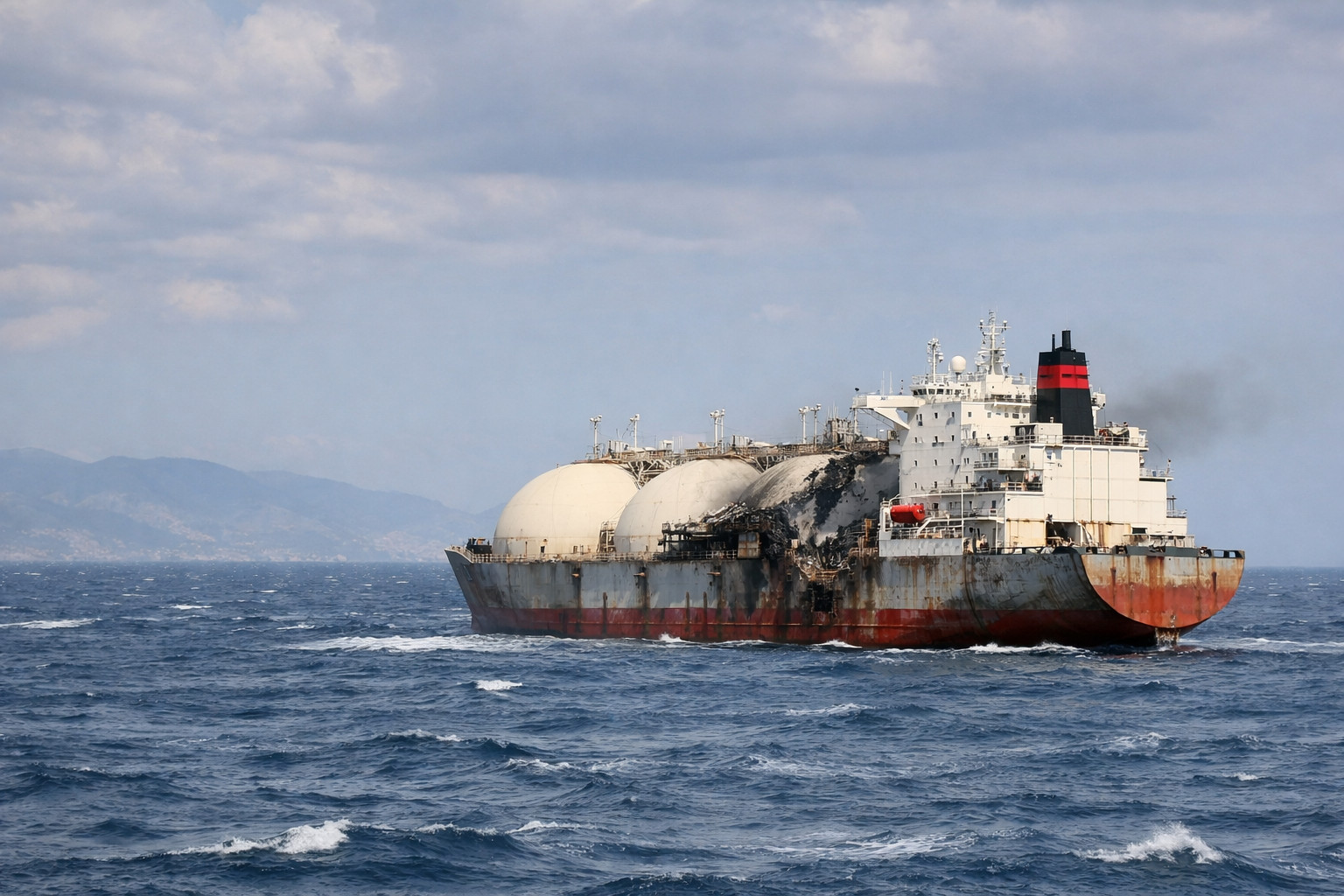
Households are predicted to be nearly £1,000 worse off this year before considering the impacts of the ongoing conflict in Iran. The rise in costs includes soaring fuel prices, with petrol averaging 154.45p per litre and diesel reaching 185.23p, marking an increase from 133p just a month ago.
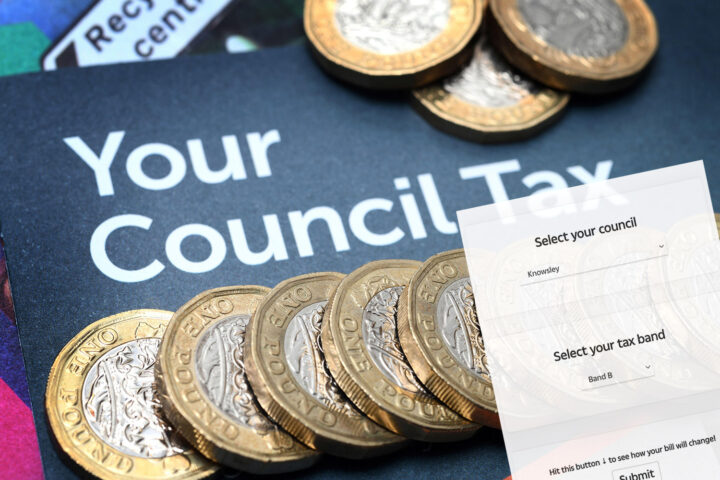
Moreover, an increase in council tax for most families is on the horizon, with an almost five per cent rise expected this month. This translates to an average Band D household in England paying £2,392 a year, reflecting an additional £111 burden. Some councils, such as Shropshire and Worcestershire, will implement even steeper increases of nine per cent.
In addition to fuel and council tax rises, water bills are set to increase by 5.4 per cent, bringing the average annual bill in England and Wales to £639. Customers of Severn Trent Water will face an even heftier rise of 9.8 per cent. Notably, costs for mobile phone services and broadband are also escalating, with expected annual increases of approximately £27.60 and £39.60, respectively.
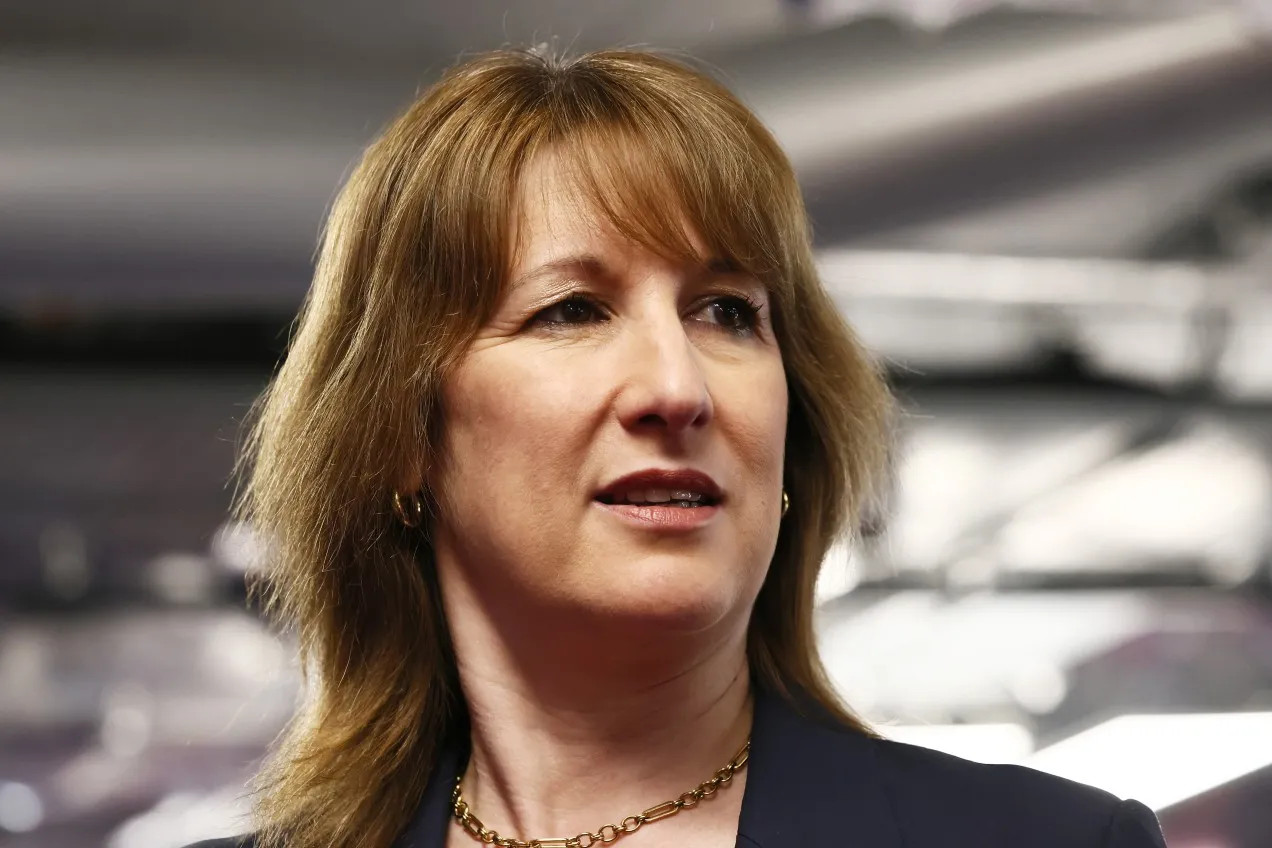
As families grapple with these financial strains, Liberal Democrat leader Sir Ed Davey has urged the government to cut fuel duty by 10p. He stated, “Chancellor Rachel Reeves has a choice. She can stand up for those people and act now. Or she can stand back and watch them struggle.”
Additionally, the UK’s standard road tax for petrol and diesel vehicles will rise by £5, while those with the most polluting vehicles will face a top rate tax increase from £5,490 to £5,690. The ongoing crisis has also ignited fears in the mortgage market, with the average two-year fixed mortgage rate now standing at 5.84 per cent, compared to 4.83 per cent at the beginning of March.
Income tax thresholds remain frozen, contributing to a growing financial burden on taxpayers. Analysts suggest basic rate taxpayers could see an increase of up to £700 in taxes due to these freezes, with higher rate individuals facing bills as heavy as £3,500.
As we navigate these challenging economic times, many are left questioning how these escalated costs will continue to impact household budgets across the UK.
This situation presents a complex interplay of economic policies and their profound effect on everyday life, challenging the government to respond effectively to the mounting pressures faced by the populace.