Households could save at least £200 a year on energy bills under Reform UK’s plans to scrap VAT and green levies, reports BritPanorama.
The party claims that axing the 5 per cent VAT alone would reduce annual costs by approximately £85.
Ditching green charges—including renewables obligations and carbon price support—would save an additional £115.
Nigel Farage’s party asserts that the move would lower bills nationwide, funded by a 7.5 per cent cut to quango budgets, amounting to £2.5 billion by the end of the decade.
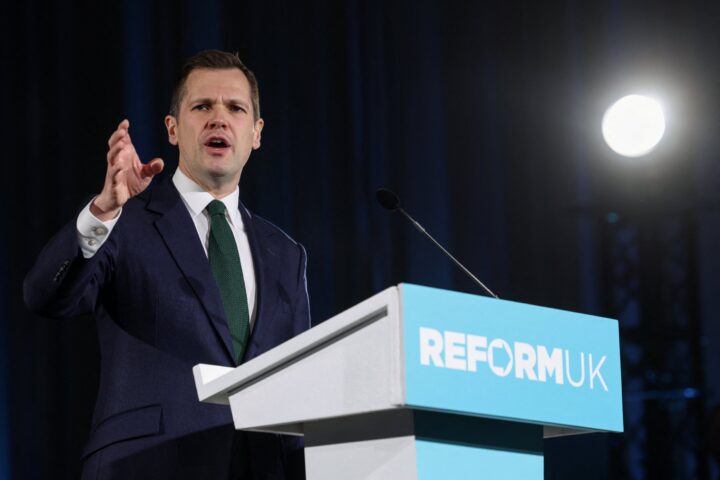
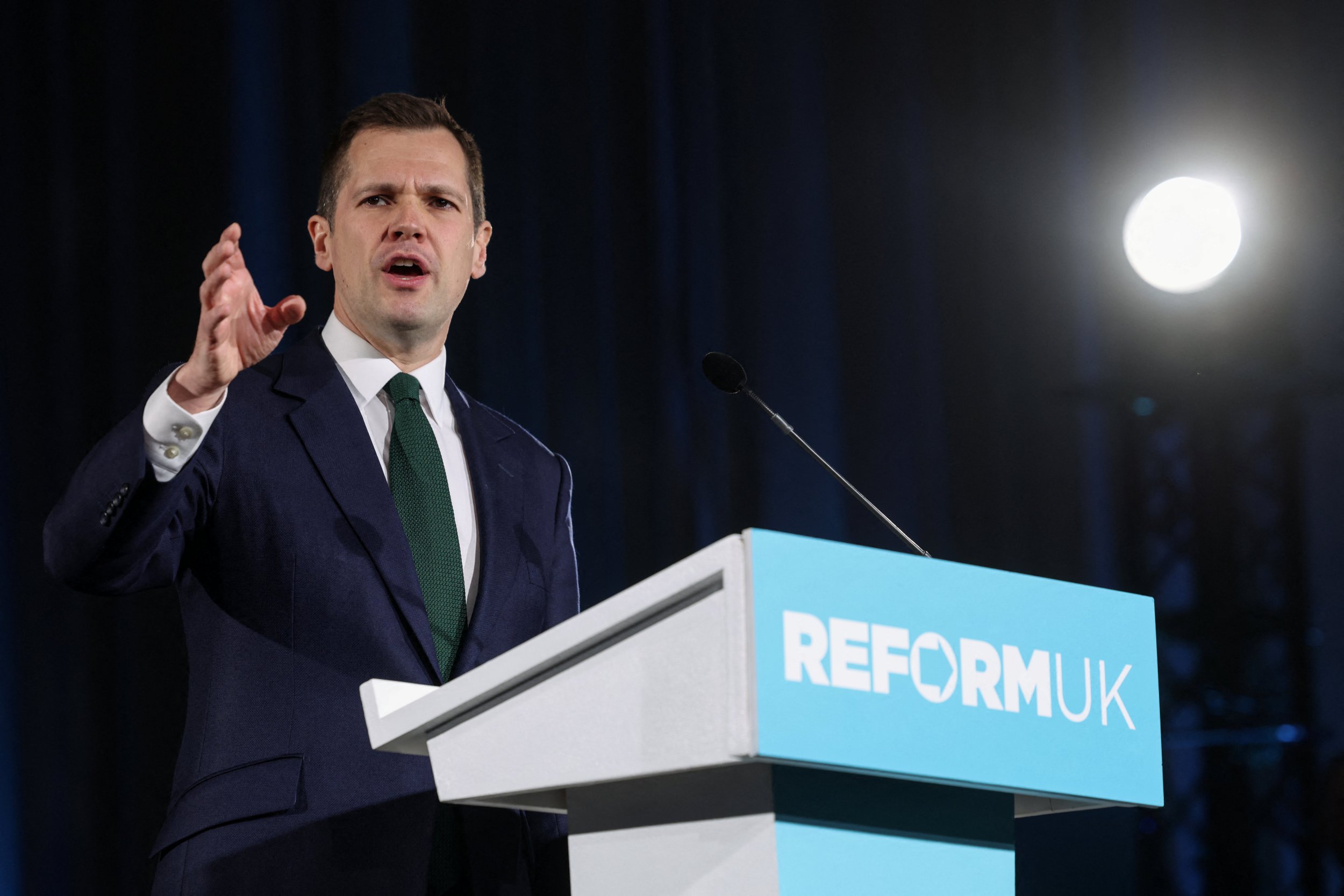
At a recent press conference in central London, Treasury spokesperson Robert Jenrick stated that this policy would save the average household “at least £200 off their energy bill.”
To further drive the message home, the former senior Conservative announced a notable giveaway. One lucky street will have its energy bills paid for an entire year under an online draw.
Voters can sign up on Reform’s website, with the winning street selected in the coming weeks. Mr. Farage is said to attend in person to cover the costs for every home on that road.
During the press conference, Mr. Jenrick added: “If you give us your details on that website, in the next week or two, we’re going to draw one of those names, and Nigel (Farage) is going to come to your house and he’s going to pay your energy bills and those of everyone who lives on your street for an entire year.”
This announcement comes as government ministers consider interventions regarding fuel duty and energy bills in response to the impacts of the Gulf crisis.
Labour leader Sir Keir Starmer recently unveiled a £53 million support package to assist vulnerable households facing higher heating oil costs, amidst significant surges in oil and gas prices due to the ongoing Iran conflict.
Energy bosses have warned that energy bills could rise by £250 from July, when the energy price cap is scheduled to terminate.
Industry body Energy UK has called on the government to “immediately step up efforts” to prepare support for those at risk when energy costs escalate.
Energy UK’s chief executive Dhara Vyas remarked, “It is still too early to tell how significant an impact the conflict in the Middle East will have on British energy bills—but it is clearly sensible to prepare and ensure any intervention that might be necessary is both cost-effective and directed to help those who most need it.”
She added, “Energy bills remain higher than they were before the invasion of Ukraine, and there is growing concern about record amounts of customer debt. Prioritising efforts to identify these customers is crucial for any potential emergency response and will also mean that we can ensure they are supported in the long term.”
At the same press conference, Mr. Farage also suggested that the UK should heed US calls for assistance in reopening the Strait of Hormuz, a key oil and gas shipping route currently threatened by Iranian aggression.
He stated, “When it comes to aiding the Americans in freeing the Strait of Hormuz, I think in many ways we ought to. I think it is in our national interest to keep the oil flowing, but we can’t. We haven’t got the assets.”
Mr. Farage expressed concerns about the state of the Royal Navy and military assets, noting, “I think the first very big lesson that comes out of all of this is that we have denuded the Royal Navy and our forces to such an extent that we’ve been humiliated on the world stage.”
He maintained that the current defence spending needs to increase significantly, stating, “To be fair, this is not all the fault of this Labour Government. Fourteen years of Conservative government have run down our armed forces to a state, frankly, of total global embarrassment.”
In this evolving discussion surrounding energy costs and national security, the implications of current policies and geopolitical tensions are likely to shape public sentiment and political actions in the UK.