Reform UK to ban public face coverings, signals Zia Yusuf
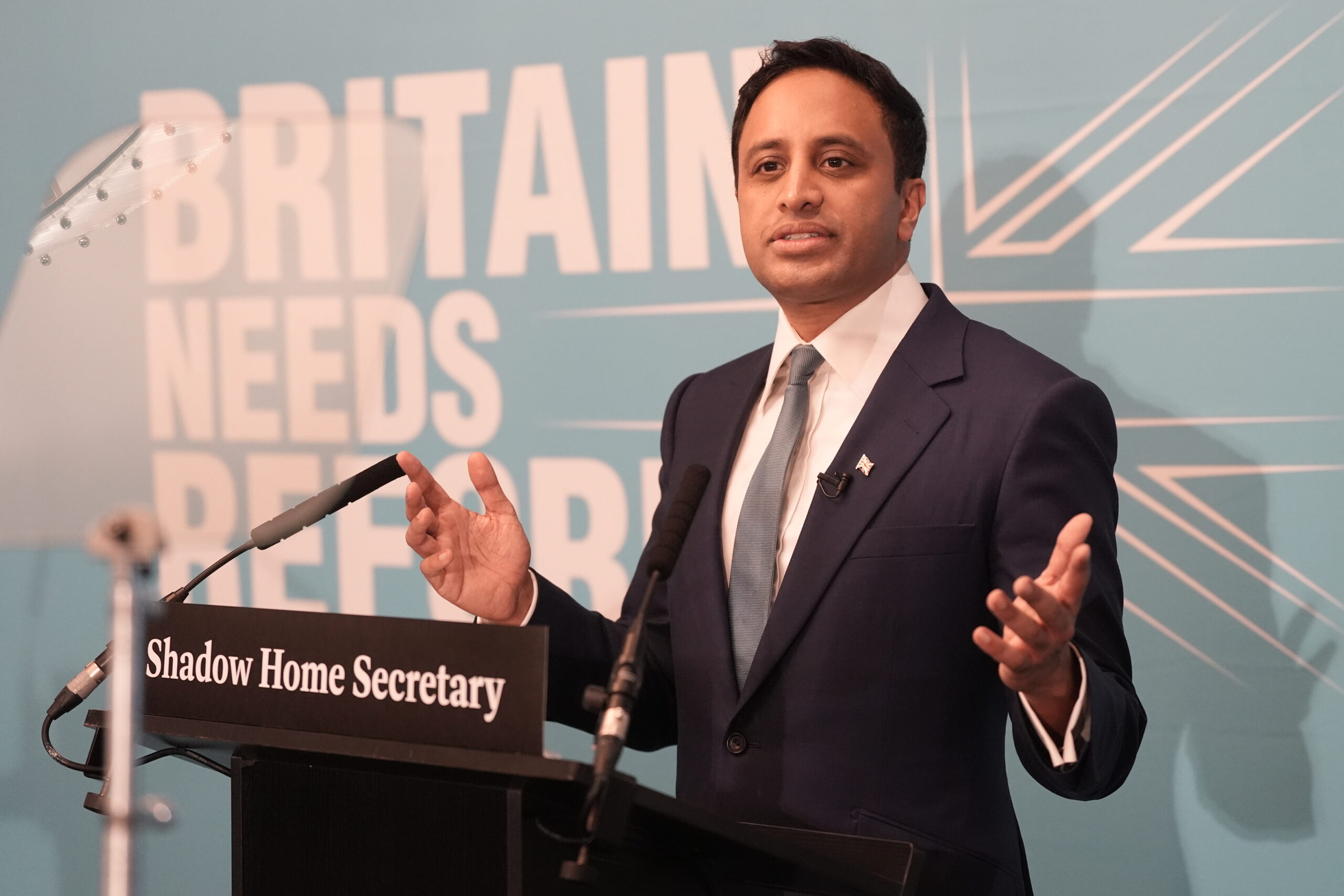
ALL face coverings in public will be banned under a Reform Government, Zia Yusuf has signalled, reports BritPanorama.
The party’s home affairs chief expressed personal support for outlawing items such as burqas and hoods, citing a broader initiative aimed at enhancing safety and promoting societal integration.
Yusuf delivered these remarks during a significant speech in Dover, outlining Reform’s agenda on immigration, policing, extremism, and strengthening Britain’s Christian heritage. He highlighted concerns over offenders masking their faces, stating it hampers police ability to identify potential threats.
He noted that the public “instinctively feel unsafe” when encountering masked individuals in public, particularly during late hours. Yusuf’s comments directly addressed this issue, emphasizing the implications such anonymity poses for community safety.
When queried by reporters regarding a specific ban on burqas, he reaffirmed, “I personally support a ban on all face coverings in public.”
Yusuf further indicated that Reform would elaborate on formalizing this proposal into policy. The move received backing from Reform UK leader Nigel Farage, who pointed to recent incidents in cities like Newcastle to illustrate the problems posed by masked crowds, which he argued contribute to violent protests.
Farage stated, “I think face coverings in public are problematic for many, many reasons. Not just religious ones.” This approach has generated renewed momentum within the party following Yusuf’s previous contentious remarks, where he had criticized a call for a burqa ban as “dumb.”
Adding to the party’s momentum, former Home Secretary Suella Braverman, who recently joined Reform, called for a public ban on burqas and stressed the necessity of implementing such a measure in school settings.
In conjunction with the face-covering ban, Yusuf declared a “national security emergency” in regard to rising immigration levels. He proposed measures aiming for “net negative immigration” by proposing the deportation of over 600,000 individuals during the first term of office.
This strategy includes establishing a UK Deportation Command, aimed at detaining illegal migrants and facilitating multiple removal flights daily. He also expressed intentions to withdraw from the European Court of Human Rights, revisit treaties that regulate deportations, and launch “Operation Restoring Justice.”
Yusuf outlined additional plans, such as prohibiting the Muslim Brotherhood and Iran’s IRGC in efforts to curb the spread of Islamist extremism. He also proposed the protection of historic Christian churches from being converted into mosques through automatic listing procedures. Furthermore, he announced plans for temporary stop-and-search zones in areas deemed to be knife crime hotspots and stricter penalties on those facilitating illegal entry.
This comprehensive initiative reflects a significant shift in the UK political landscape, as Reform UK positions itself prominently on issues surrounding public safety and immigration control.
Such developments highlight the evolving discourse around integration and national security, raising questions about the balance between societal cohesion and civil liberties in the contemporary UK.