Reform UK plans to create a deportation agency
Reform UK is set to announce plans for a new agency modelled after the controversial US Immigration and Customs Enforcement (ICE) to facilitate the deportation of thousands of illegal migrants annually, reports BritPanorama.
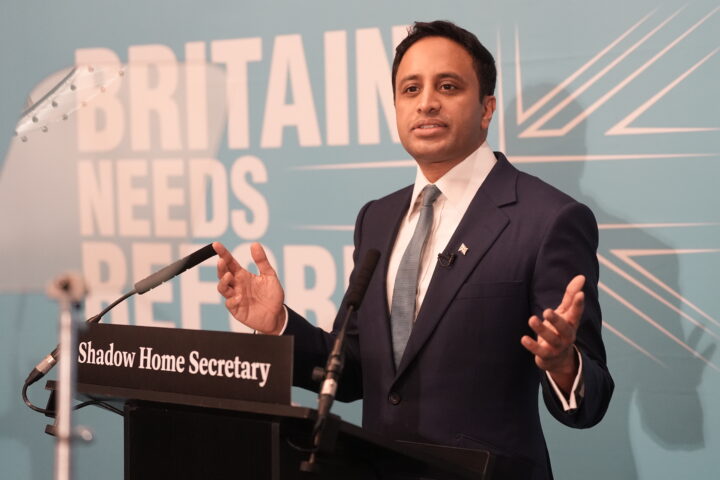
Zia Yusuf, the party’s newly appointed home affairs spokesman, is expected to declare a “national security emergency” regarding immigration issues. This announcement comes amidst ongoing debates over immigration policy and its implications for national security.
The proposed UK Deportation Command could detain as many as 24,000 illegal migrants simultaneously and aim to remove nearly 300,000 individuals from the country each year. The party’s strategy includes launching five deportation flights daily to meet its ambitious targets, which align with their vision of achieving “net negative migration.”
The assertion of an immigration crisis echoes sentiments long voiced by prominent figures within Reform and aligned political circles. However, the introduction of a body akin to ICE raises concerns about potential civil liberties infringement and operational effectiveness, particularly given the backlash ICE has faced in the United States.
As the political landscape around immigration continues to evolve, questions remain about the effectiveness and ethical implications of such drastic measures. With public opinion divided, further discussion and scrutiny will likely accompany any proposed legislation.
Implementing a framework resembling ICE carries profound implications not only for the migrants involved but also for broader societal repercussions in the UK. Public debate on immigration policy will be crucial as Reform UK moves forward with its proposals.
The outcome of this policy push may significantly affect Britain’s immigration landscape in the years to come.
As the political discourse around immigration evolves, careful consideration of the humanitarian implications and the effectiveness of enforcement strategies will be critical. Balancing national security with individual rights remains a complex challenge for policymakers.