Reform sees rise in popularity amid Tory defections
Reform has recorded its highest level of support since September, as a number of Conservative Party defections continue to reshape the political landscape, reports BritPanorama.
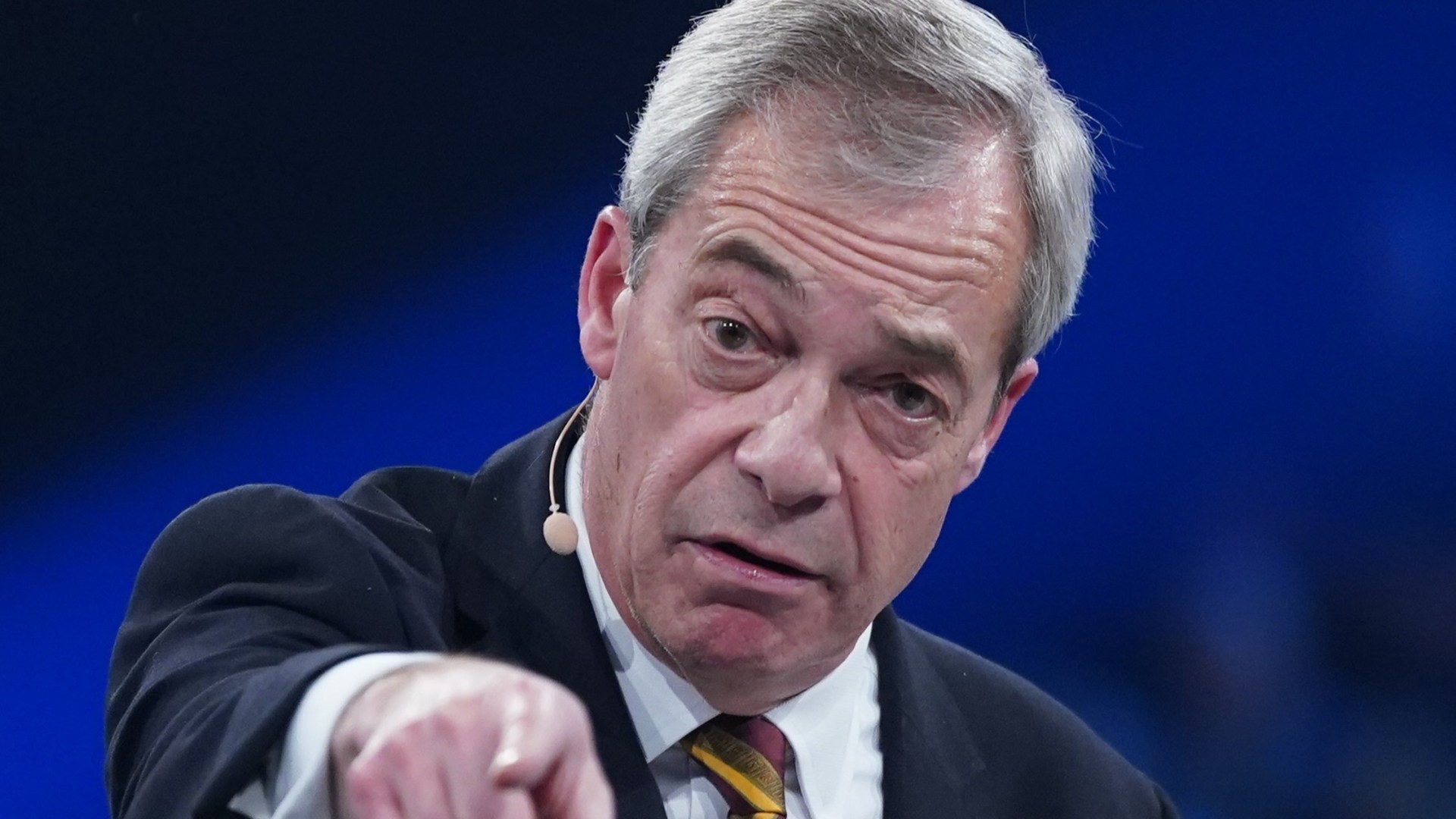
Nigel Farage’s party now holds the backing of 31 percent of the electorate, surpassing Labour at 23 percent and the Conservatives at 19 percent, according to a recent JL Partners survey. This reflects significant gains following the movement of several former cabinet ministers to Reform, including Robert Jenrick and Suella Braverman.
Reform’s vote share has effectively doubled since the 2024 general election, attracting support from a quarter of former Tory voters and 16 percent of those who backed Labour last year. The party’s growth appears particularly pronounced among male voters, as well as within the 55 to 64 age group.
A spokesperson for JL Partners noted that the timely defections have significantly influenced Reform’s resurgence: “Reform winning over Nadhim Zahawi, Rob Jenrick, and Suella Braverman – defection season – has led to a turnaround in the numbers for Reform UK.” The spokesperson continued, “They are held back from growing further by the pensioner block – who still narrowly favour the Conservative Party.”
As the party capitalizes on this momentum, Farage is set to announce the formation of a “shadow cabinet,” a move aimed at solidifying the party’s structure in anticipation of potential early elections. Previously hesitant to reveal key appointments, he is expected to unveil the roles of some notable members today.
Among the first appointments, Robert Jenrick is anticipated to be named as Reform’s shadow chancellor, alongside Zia Yusuf, the party’s policy chief, who will oversee home affairs, including crime and immigration policies. Speaking at a rally in Romford, Farage expressed relief at these developments, saying, “I’m relieved that other people are taking up these big areas, and from [a journalist’s] perspective, on a given issue, you will know who to call.”
The growing instability within Labour and the potential for elections prior to the scheduled 2029 date have prompted Reform to expedite its organizational strategy. By establishing a more defined leadership structure, the party aims to position itself as a serious contender in the evolving political arena.
The developments within Reform underscore a significant shift in the UK’s political dynamics, revealing how shifting allegiances can reshape electoral fortunes.