Reform lodges complaint against BBC over migrant inclusion in Question Time audience
Reform has submitted an official complaint to the BBC concerning the inclusion of migrants who arrived in the UK illegally in the Question Time audience, reports BritPanorama.
Policy chief Zia Yusuf described this situation as “extraordinary and frankly, inappropriate for a licence fee-funded broadcaster.”
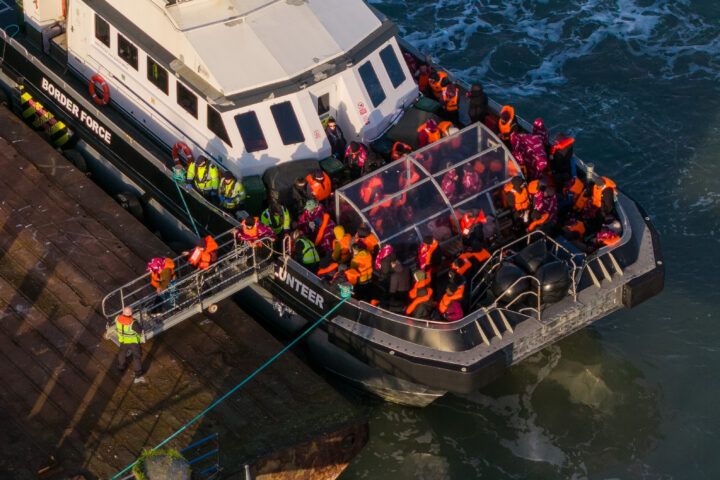
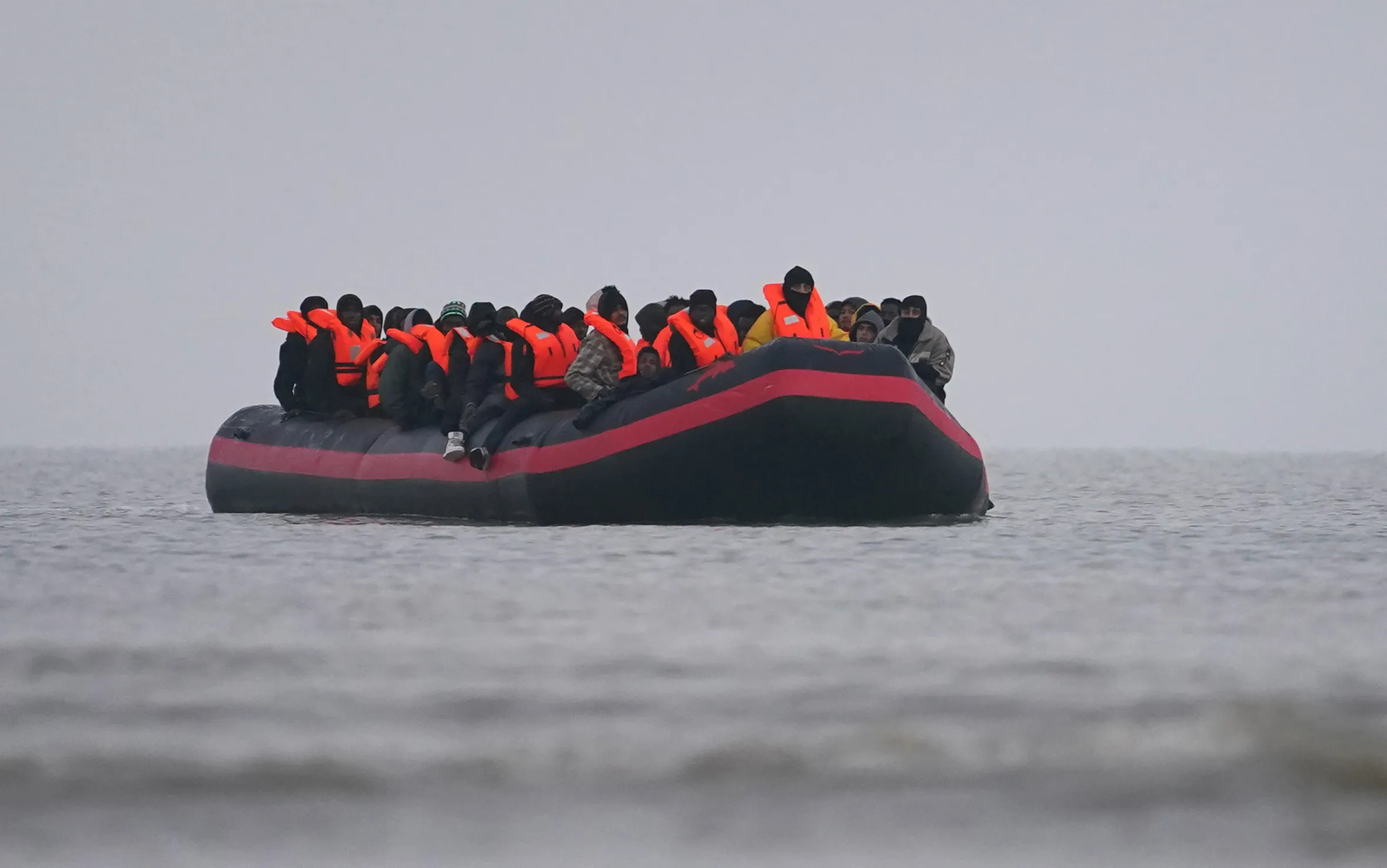
His remarks were made following Thursday night’s special edition of the programme from Dover, which featured an Afghan and an Iranian migrant, both of whom arrived on small boats. Yusuf emphasised the BBC’s failure in maintaining the expected standards of impartiality and editorial judgment.
The Afghan migrant detailed his experience, noting that he had his asylum claim rejected by six countries prior to reaching the UK. Meanwhile, the Iranian participant vehemently defended the European Convention of Human Rights during the discussion.
In his letter to the BBC’s complaints team and Board of Directors, Yusuf posed rhetorical questions regarding the reasoning behind such audience choices. “Should we now expect the BBC to invite tax evaders to comment on the Budget?” he queried, adding, “Would it stack an audience with convicted burglars to discuss law and order policy?” He described the programme as a significant breach of public trust and common sense.
The BBC responded, stating that they had informed all parties about the inclusion of the two migrants a day before filming. A spokesperson noted that over 20 audience members participated in the debate, including those with direct experience of the UK asylum system who had received refugee status.
This incident has intensified the ongoing dispute between Reform and the BBC. The previous day, Reform leader Nigel Farage lambasted the broadcaster over alleged “double standards” after facing scrutiny about historic antisemitism claims.
With the continuing discourse around immigration policy, the involvement of individuals who have navigated the asylum process raises critical questions about the portrayal and treatment of migrants in media narratives.
As the UK grapples with pressing issues surrounding immigration, the BBC’s decisions and their implications will likely be a focal point in the larger debate on fairness, representation, and regulatory standards in public broadcasting.