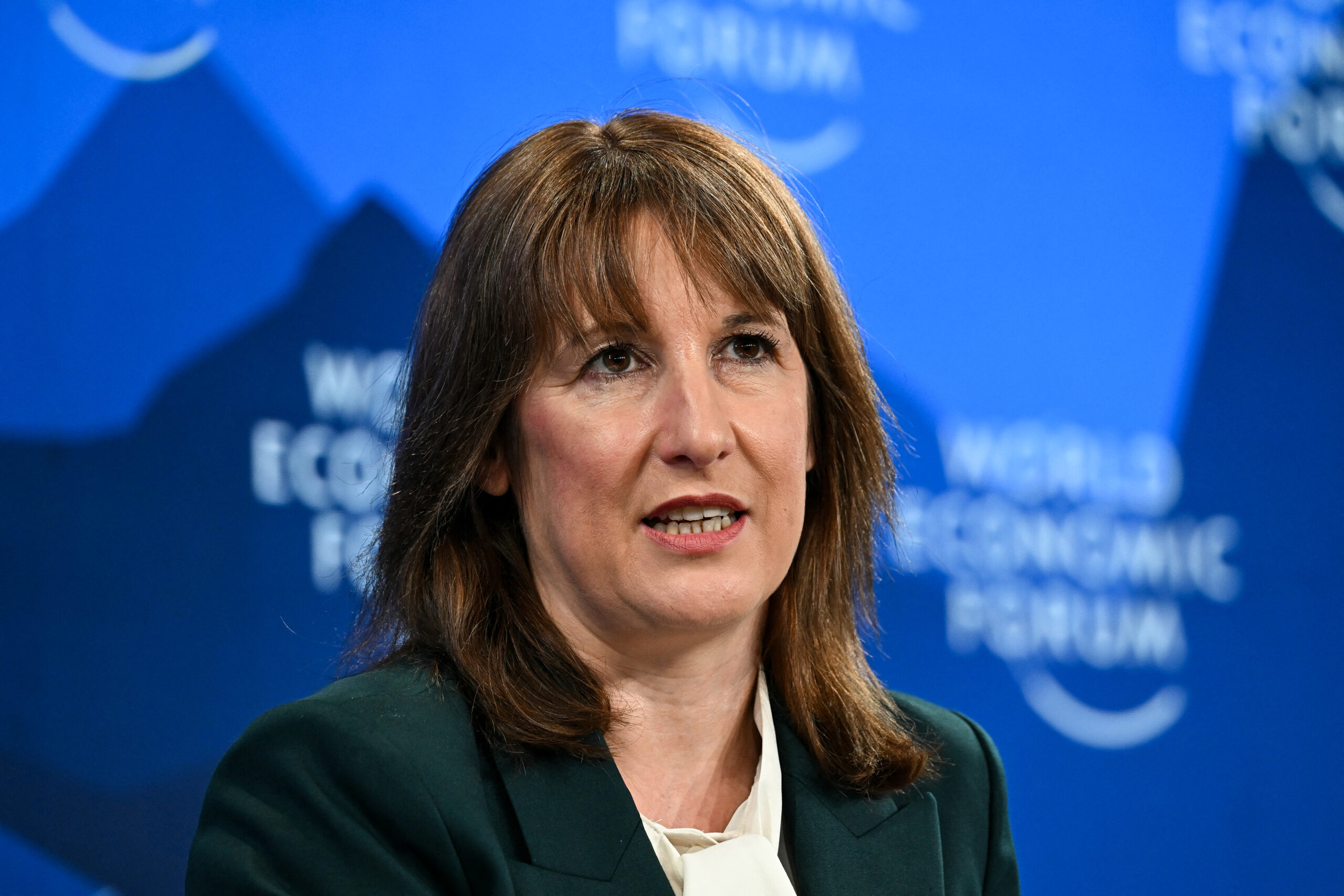
Rachel Reeves faces backlash over Labour’s EU remarks
Rachel Reeves, the Shadow Chancellor, has attracted criticism for stating that a Labour deal negotiated last year with the EU was merely “first base,” reports BritPanorama.
Reeves emphasized the importance of closer ties with Brussels as the “biggest prize” for revitalizing the UK’s stagnant economy and enhancing security. She articulated that agreements concerning sectors such as food and energy were merely initial steps towards broader engagement.
Speaking in London, she remarked, “The biggest prize is clearly with the EU. The truth is economic gravity is reality.” The Shadow Chancellor highlighted that almost half of the UK’s trade is conducted with the European Union.
According to Reeves, the volume of trade with the EU is comparable to the total trade with the rest of the world combined, underlining the critical role that the bloc plays in Britain’s economy. “There are three big trading blocs in the world – there’s the US, there’s China, and there is Europe,” she noted, advocating for strengthening European ties rather than erecting barriers.
In response, Shadow Chancellor Sir Mel Stride accused Reeves and Labour leader Sir Keir Starmer of attempting to reverse the Brexit decision from the outset. “Labour are desperate to blame anyone but themselves for their economic failures,” he stated, suggesting that the party’s focus on Brexit was a diversion from their own shortcomings.
Strides’s comments reflect a broader narrative among critics who argue that Labour’s approach points fingers at Brexit as a scapegoat for current economic challenges.
The ongoing discourse highlights the complexities surrounding the UK’s relationship with the EU post-Brexit and the economic implications of any potential policy shifts.
This situation illustrates the challenges faced by Labour as it navigates public perceptions and economic realities in a post-Brexit Britain.
As discussions on the future of UK-EU relations continue, the implications for economic policy remain a central concern for both the government and the opposition.
The evolving narrative around Brexit and trade ties is likely to loom large in upcoming political debates.
In navigating these discussions, political leaders must balance aspiration with realism, acknowledging the intertwined nature of the UK and EU economies.