Chancellor faces backlash over alleged misleading claims about tax hikes
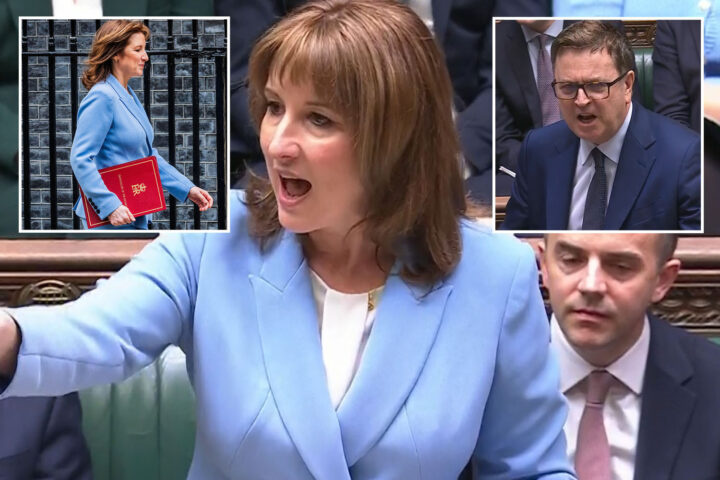
Chancellor Rachel Reeves has been accused of misleading the public regarding the necessity of a substantial tax increase, following revelations from the Office for Budget Responsibility (OBR) that suggested her assertions about a £30 billion fiscal gap were unfounded, reports BritPanorama.
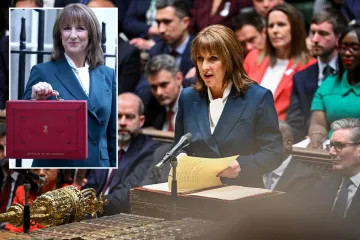
After weeks of warning that “tough decisions” were required, a recent productivity downgrade was cited by Reeves as justification for tax hikes affecting working individuals. During a press conference at Downing Street on November 4, she emphasized that all workers would “have to do our bit” to address the economic challenges. However, the OBR disclosed it had previously indicated that the productivity downgrade had been offset by increased tax revenues stemming from rising wages and inflation.
By October 31, the OBR informed Reeves that she actually had a £4.2 billion surplus, indicating that her fiscal objectives could be met without implementing any new taxes. This contradiction raised questions about the validity of her claims in light of the impending budget announcement.
Speaking to the BBC on November 10, Reeves reiterated her warning of a “difficult” budget and called for both tax and spending adjustments. She described the economic situation as having “deteriorated,” which she claimed necessitated her proposed fiscal measures. Despite her assertions, critics have pointed out significant inconsistencies in her reasoning.
The tax increases outlined in her budget totalled £26 billion and were aimed at reducing inflation and providing immediate assistance for families. Reeves insisted that these decisions were not a form of austerity but rather a means to ensure “fair taxes” and sustainable public services. However, Paul Johnson, former chief of the Institute for Fiscal Studies, remarked that Reeves’ narrative about a fiscal black hole was misleading, particularly given the contrary information she received from the OBR.
In response to the controversy, Conservative party leader Kemi Badenoch denounced the alleged misinformation as “shameful,” asserting that it was a political maneuver rather than a genuine budgetary necessity. He emphasized that Reeves’ approach was more about political survival than presenting a coherent economic strategy.
Timeline of key events
September 17: OBR informs Reeves that productivity downgrade is offset by rising tax revenues.
October 31: OBR reveals a £4.2 billion surplus; fiscal rules met without new taxes.
November 4: Reeves hints at potential income tax hikes during press conference.
November 10: Reeves warns of a “difficult” budget in BBC interview.
November 13: Reeves drops plans for income tax increase amid backlash.
November 26: Budget revealed, raising taxes by £26 billion.
Despite abandoning her initial plans to raise income taxes, Reeves faced criticism for a budget that is expected to have significant implications for the working population, as nearly one million additional workers may fall into a higher tax bracket due to changes in income tax thresholds.
Critics have described the budget decisions as evasions of addressing critical welfare issues. While Reeves maintains she will not allow her policies to be seen as politically motivated, the juxtaposition of soaring welfare costs and tax increases raises concerns regarding the economic viability of her proposed measures.
In light of the scrutiny surrounding her budget, Downing Street has denied allegations of misleading the public or the markets. A spokesperson asserted that Reeves had clearly articulated the challenges and decisions outlined in her budget speech.
The unfolding situation marks a pivotal moment for Chancellor Reeves as she navigates the complexities of fiscal policy amid mounting public and political criticism.
The implications of Reeves’ budget decisions extend well beyond immediate tax impacts; they represent a broader struggle within political leadership over fiscal responsibility and accountability in an increasingly complex economic environment.