Chancellor Rachel Reeves abandons plans for significant income tax rise
Chancellor Rachel Reeves has decided against implementing a manifesto-breaking income tax rise in her upcoming Budget, following indications that the expected financial black hole is smaller than previously anticipated, reports BritPanorama.
Anticipation had built around the possibility of a significant tax increase as the government sought to address a deficit that was initially projected to approach £30 billion. Recent assessments suggest this figure is now closer to £20 billion, according to reports by Bloomberg. The decision to forgo the income tax rise has come as a relief for some voters, especially in light of concerns regarding recession and rising living costs.
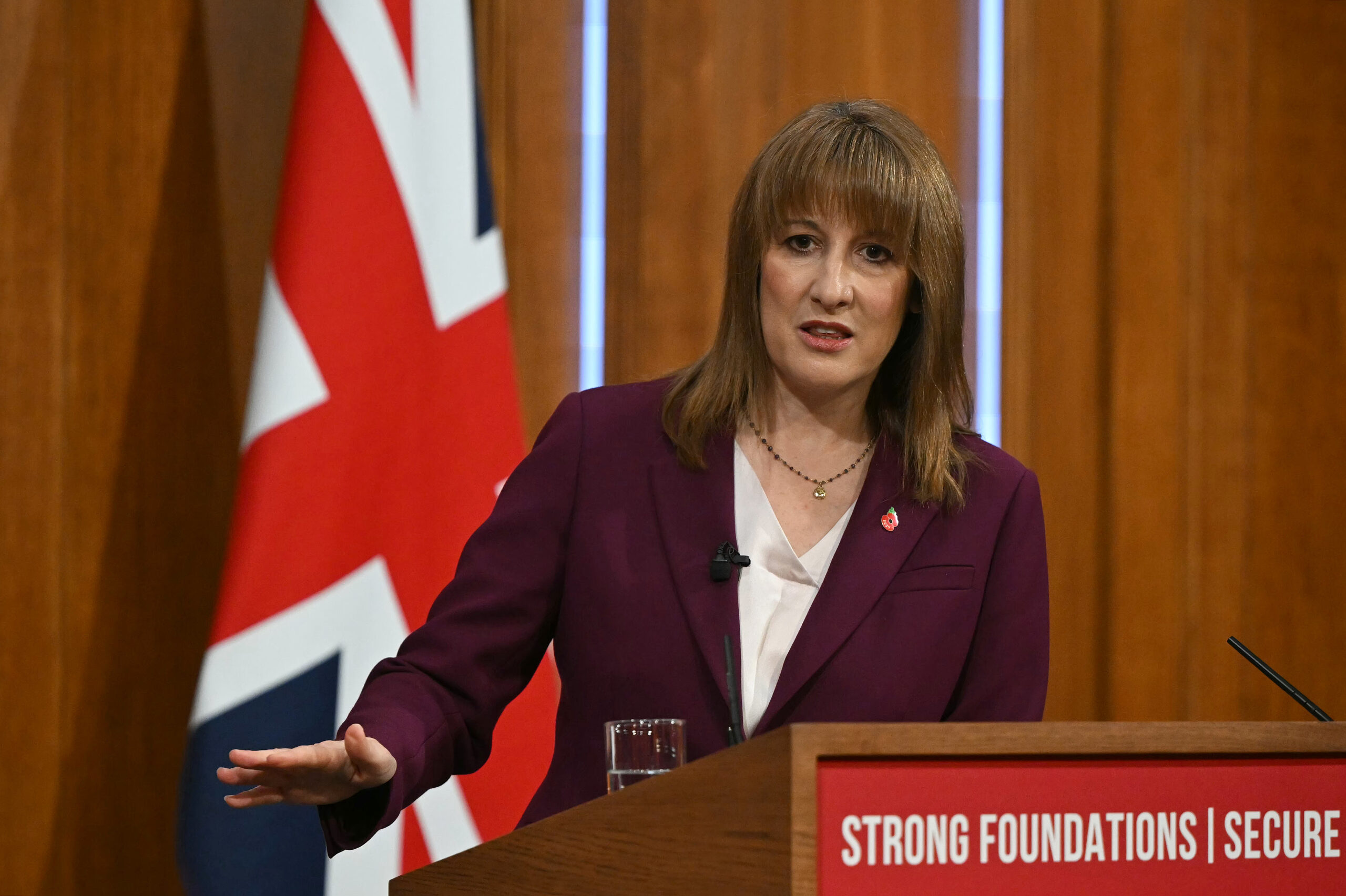
Reeves had previously emphasized in a Downing Street press conference that fiscal responsibility would require contributions from all citizens, which heightened expectations for a tax announcement. However, financial markets reacted negatively to the initial lack of clarity regarding budget adjustments, with increased borrowing costs and a decline in the value of the pound evident shortly after the announcement.
Insider sources within Whitehall noted that several options had been considered, but increased tax revenue from robust wage growth and strong receipts provided Chancellor Reeves with a buffer against tax increases. The pathway forward now reportedly involves maintaining a limited financial reserve, suggested to hover around £10 billion, to provide resilience against unforeseen global economic disruptions.
Despite shelving plans for a dramatic tax hike, Reeves is expected to explore a range of smaller tax increases as part of her budgetary strategy. This might include adjustments to tax thresholds — effectively a stealth income tax rise — along with targeted changes to salary sacrifice schemes, which could generate additional revenue without significantly disrupting the broader economy.
While it had been suggested that adherence to manifesto pledges would lead to significant project cancellations, Reeves remains committed to supporting key infrastructural initiatives. The government’s focus now shifts to ensuring the Budget effectively balances fiscal responsibility with growth-oriented policies, inviting scrutiny as the details unfold on Budget day.
Measures such as increases in income tax, VAT, or national insurance are viewed as straightforward mechanisms to generate funds and reassure financial markets. However, the abandonment of more substantial options could create perceptions of anti-growth policies, leading to further uncertainty in the political landscape.
The implications of these budgetary decisions are poised to influence economic stability and public sentiment leading up to the next election cycle.
As the Budget announcement approaches, the balance between maintaining fiscal integrity and fostering economic growth continues to present a significant challenge for the Chancellor.
In navigating this complex landscape, the government’s commitment to transparency and accountability remains critical, especially in times when public trust is often tenuous. Decisions made now will shape the fiscal environment and potentially define the trajectory of the UK’s economic recovery post-pandemic.