Chancellor defends tax increases amid economic criticism
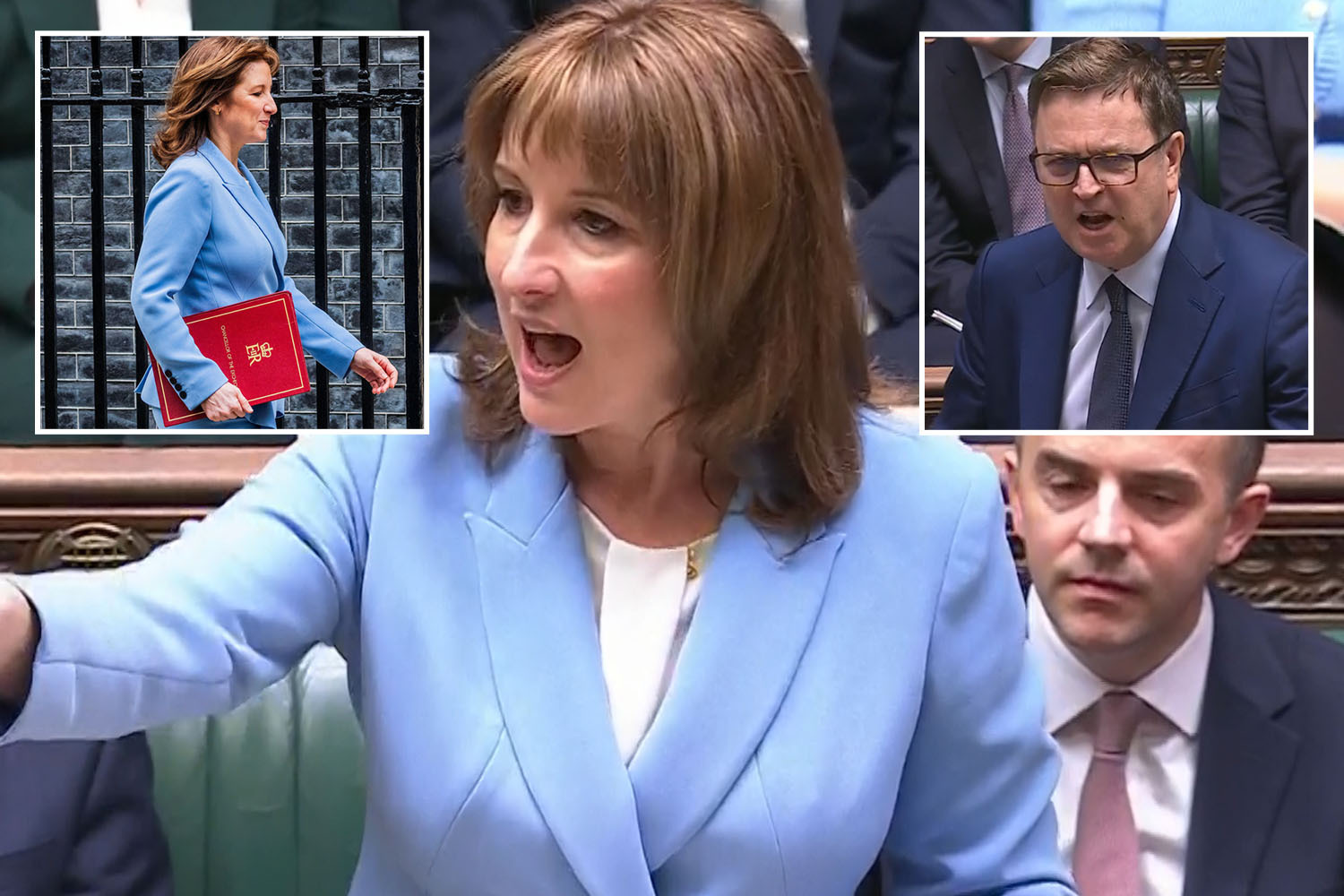
Chancellor Rachel Reeves has launched a robust defense of her significant tax increases, asserting that they are essential for restoring public financial stability, reports BritPanorama.
During her Spring Statement, Reeves insisted she had “restored stability” and claimed families would be £1,000 better off by the next election. However, she faced immediate backlash, as critics labeled her approach ineffective and accused her of economic mismanagement.
The Chancellor highlighted that growth expectations have shifted, with forecasts showing reduced growth for the upcoming year, albeit a rebound anticipated in 2027 and 2028. She stated, “GDP is forecast to grow by 1.1 per cent in 2026, 1.6 per cent in both 2027 and 2028, and 1.5 per cent in both 2029 and 2030.” Yet, critics have voiced skepticism regarding these optimistic projections amid current challenges.
Since coming to power in July 2024, Labour’s tax increases have totalled £66 billion over two Budgets. Shadow Chancellor Sir Mel Stride condemned Reeves’s statement as a “surrender statement,” questioning the Chancellor’s grasp on economic realities. He stated, “What utter complacency. A Chancellor in denial. She speaks of stability. What planet is the Right Honourable lady on?”
Updating MPs on the Office for Budget Responsibility (OBR) forecasts, Reeves acknowledged that current growth rates are lower than prior expectations, but maintained her stance that the long-term outlook is positive. She emphasized the need for continued adherence to Labour’s economic strategy to achieve planned debt interest reductions, which she claimed could lead to enhanced financial support for working people.
Amidst political pressure, particularly following Labour’s recent loss to the Green Party in by-elections, Reeves underscored the party’s decision to reverse the two-child benefit cap. In the face of rising oil prices and increased wholesale gas costs, which have escalated by 40%, the government anticipates further inflationary pressures that may complicate efforts to stabilize the economy.
Investors responded by pushing government borrowing costs higher, expressing concerns that escalating energy prices will hinder the Bank of England’s capacity to lower interest rates effectively. This scenario could exacerbate the already significant challenges facing the UK economy.
The ongoing economic discourse reflects the challenges that the Labour government must navigate while attempting to balance fiscal responsibility against the backdrop of rising living costs and external pressures on energy markets.
The measures announced today highlight the precarious balance in UK economic policy, where optimism for recovery is tempered by real-world challenges, raising vital questions about the government’s strategy moving forward.