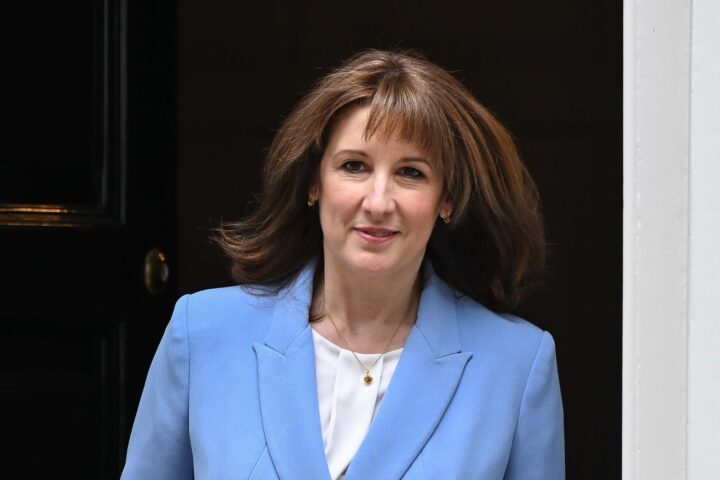
Rachel Reeves is facing mounting pressure to abandon her proposed fuel duty hike as the Conservative Party moves to compel a parliamentary vote on the matter. The Tories are set to demand that MPs weigh in on Labour’s plan to incrementally raise fuel duty by 5p a litre starting in September, reports BritPanorama.
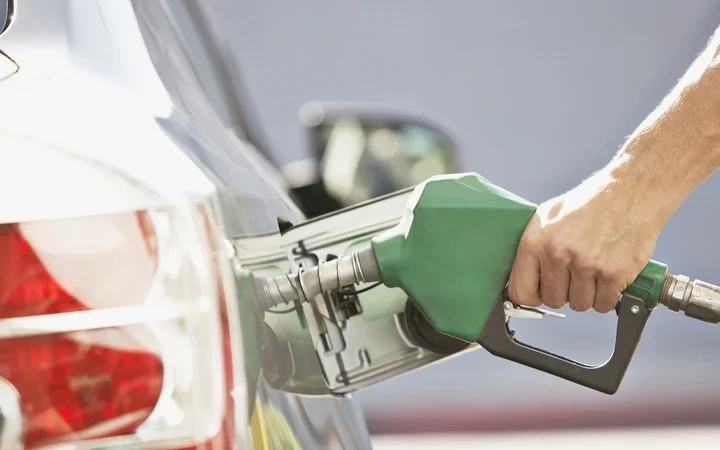
The Conservatives argue that with current tensions in the Middle East threatening to increase global oil prices, the proposed increase could impose further financial strain on motorists. Diesel prices are already at a 16-month high, with petrol costs rising by nearly 4p per litre, according to recent statistics.
Shadow Chancellor Sir Mel Stride urged Reeves to reconsider, stating, “The latest developments in the Middle East make it even more important for Rachel Reeves to reverse course and scrap the rise in fuel duty she announced at the Budget.” He added that Labour’s focus on increasing benefits has come at the expense of motorists, suggesting that the party has failed to prioritise drivers during its tenure.
Although ministers have moved to expedite legislation for the increase, there is no automatic parliamentary vote on the regulations. Instead, the government must determine if it will allow a vote if the opposition pursues the change. The Conservatives plan to present a motion in Parliament, led by party leader Kemi Badenoch, with added support from Sir Mel and Shadow Transport Secretary Richard Holden.
Fuel duty has remained frozen since 2011, and a temporary 5p cut was implemented by the previous Conservative government following Russia’s invasion of Ukraine in 2022. Labour’s proposed increases would reintroduce this cut, with scheduled rises of 1p in September, 2p in December, and another 2p the following March, representing the first fuel duty increase in 15 years and exacerbating challenges for families and small businesses already confronted by the cost of living crisis.
A Treasury spokesperson responded, noting, “We have extended the 5p fuel duty cut from this month to the end of August and frozen the main rate for another year to save the average driver £50.”
This ongoing debate highlights the precarious balance the government must strike between fiscal policy and public sentiment amidst rising costs, a dynamic that resonates deeply within the current economic climate.