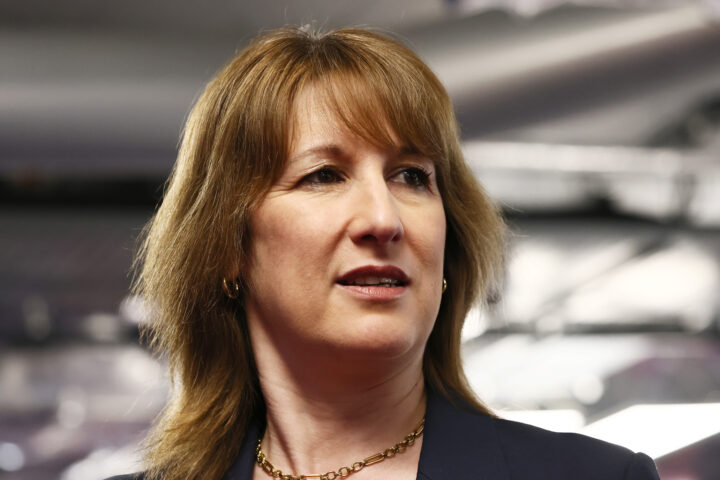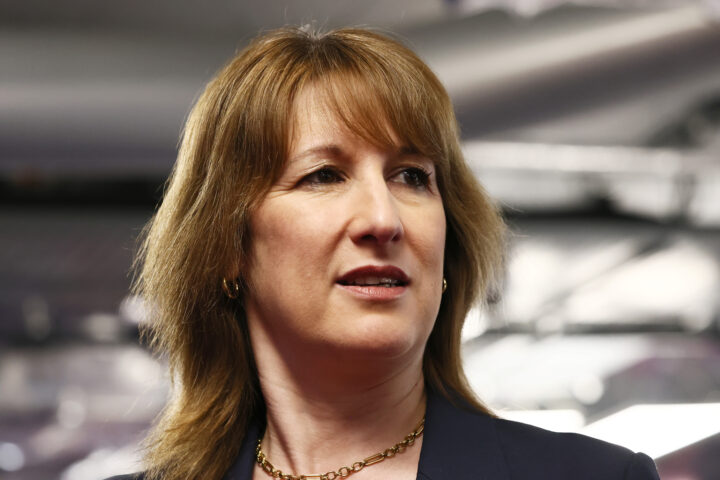
Chancellor Rachel Reeves plans tax cuts to boost disposable income
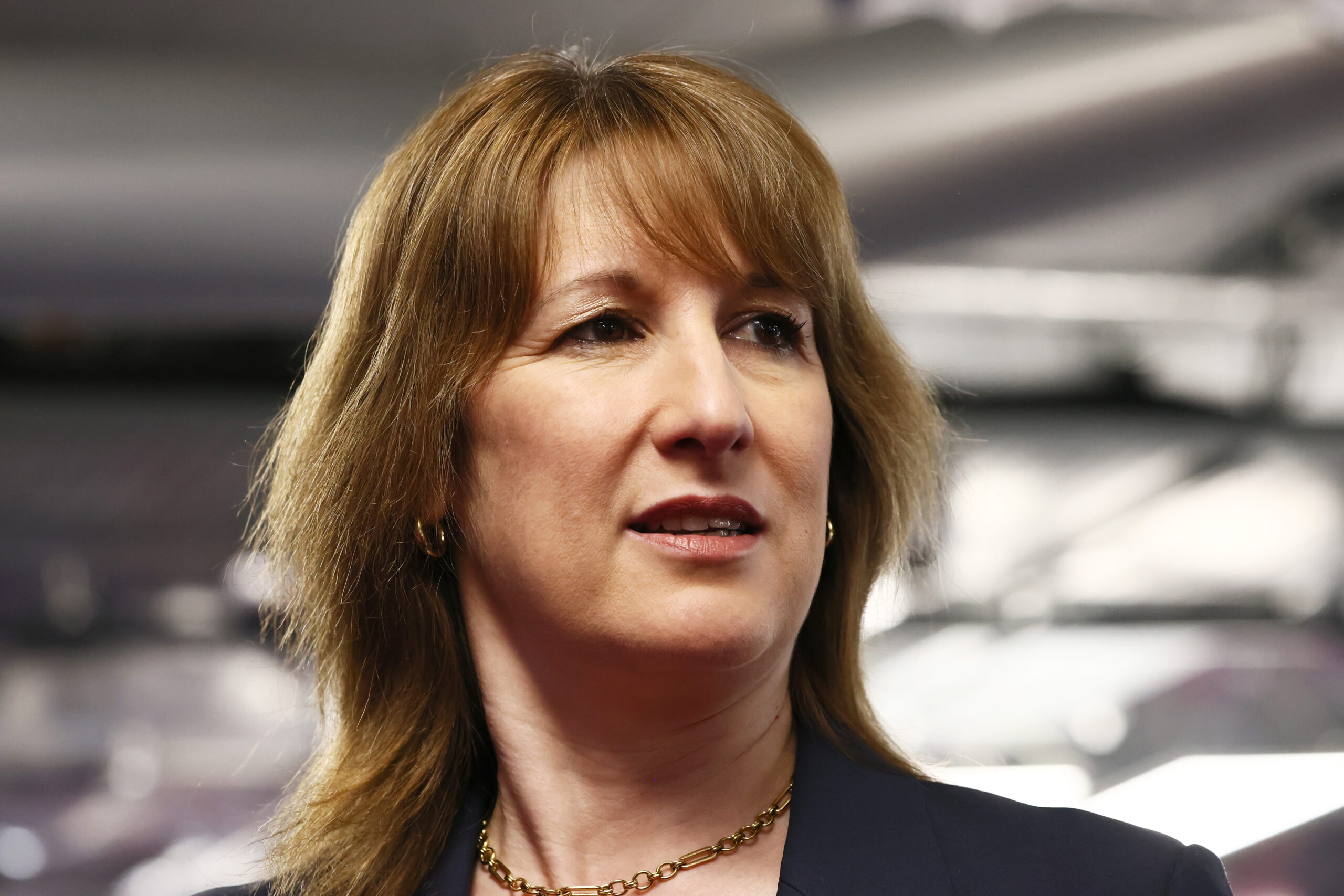
Chancellor of the Exchequer Rachel Reeves is reportedly considering tax cuts aimed at increasing disposable income for households when economic conditions permit, reports BritPanorama.
Reeves has expressed a desire to implement these cuts before the next general election to provide a fiscal incentive for voters. She had previously asked the public to contribute more to the national budget during last year’s fiscal discussions.
The anticipated tax measures may include reductions in income tax or national insurance, as well as adjustments to tax thresholds to alleviate the financial burden on taxpayers. Such initiatives come as both Reeves and Labour Leader Keir Starmer have identified the cost of living crisis as a primary concern on their agenda.
Reeves’s upcoming Spring Statement is expected to provide updated growth forecasts from the independent financial watchdog. This statement follows a recent encouraging trend in tax receipts and a decrease in government borrowing, enhancing the Treasury’s financial position slightly. However, it arrives amid declining business confidence, as indicated by recent surveys.
The Confederation of British Industry (CBI) has reported that private sector firms anticipate a downturn in economic activity over the next quarter, although the latest data also suggests that the level of business pessimism is at its lowest since November 2024.
Charlotte Dendy of the CBI noted that “expectations remain well below their long-run average, underscoring the fact that firms continue to face a challenging trading environment.” In this context, Shadow Business Secretary Andrew Griffith criticized the government’s approach, stating that rising taxes and regulations threaten job security and household finances.
Griffith emphasized the need for a more business-friendly approach, warning that continued decline in business confidence could lead to negative ramifications for the economy, including job losses and diminishing consumer spending.
As the government navigates these complex economic landscapes, the effectiveness of proposed tax cuts in alleviating cost of living pressures and fostering business growth remains to be seen. The forthcoming Spring Statement will likely shed more light on these critical issues.
In a landscape marked by shifting economic indicators and growing concerns among business leaders, the government’s fiscal policies will need to address immediate needs while laying the groundwork for sustainable growth.