Chancellor Rachel Reeves plans income tax increase amid National Insurance cut
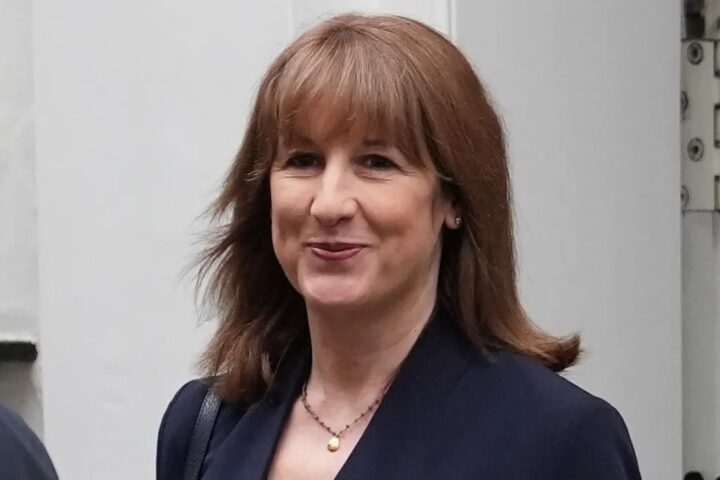
Chancellor Rachel Reeves has informed the budget watchdog of her intention to raise income tax, facilitating a corresponding cut in National Insurance, reports BritPanorama.
The Chancellor has outlined to the Office for Budget Responsibility (OBR) that a personal tax increase will be one of the “major measures” she expects to announce later this month. Her budget address to the House of Commons is scheduled for November 26.
Amid scrutiny, the OBR will evaluate the potential impact of her proposed changes and report its findings to the Treasury on Monday. This proposal aims to tackle a significant budget deficit, which may reach £30 billion, exacerbated by a downgrade in productivity forecasts.
If implemented, the income tax hike could contravene Labour’s prior manifesto pledge to avoid raising income tax rates. The party had committed to maintaining current rates of income tax, National Insurance, or VAT in its recent electoral campaign.
Reeves is also expected to freeze income tax thresholds until the decade’s end, which would affect a broader segment of the populace, bringing more individuals into the higher tax bracket.
Economists estimate this tax adjustment could generate over £6 billion annually. The proposals include a possible rise of 2p in the income tax rate, balanced by a similar reduction in National Insurance contributions. This strategic shift aims to alleviate the financial burden on workers, redistributing it towards other demographics such as pensioners and landlords.
Additionally, consideration is being given to limiting the National Insurance cut to earnings below £50,270, proposing a reduction from 8% to 6% for those within this bracket. Individuals earning above that threshold would still incur a 2% rate.
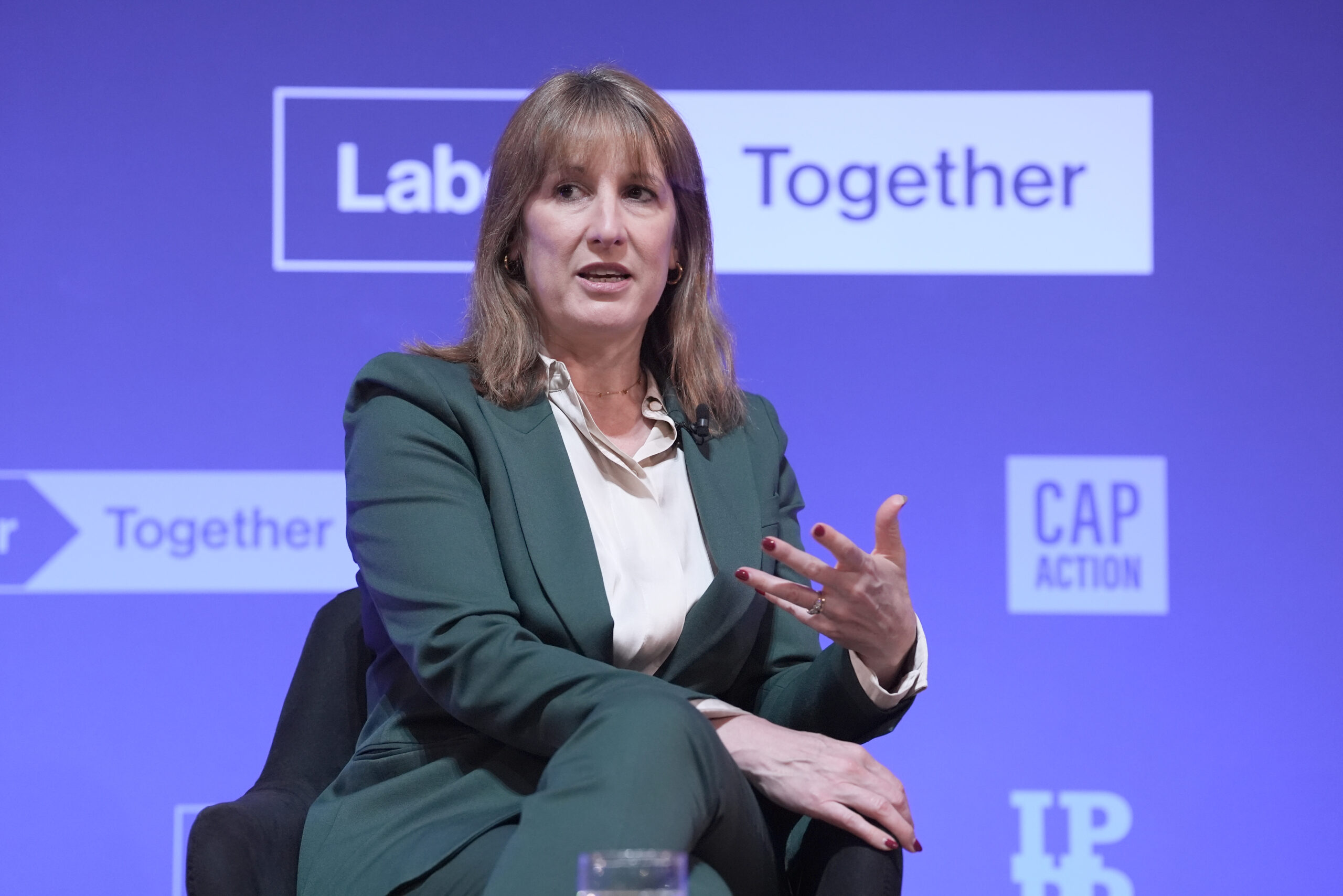
Should Reeves proceed with the increase in the basic rate of income tax, she would become the first Chancellor in 50 years to do so. In a speech on Monday, she indicated a readiness to prioritize the “national interest” over “political expediency,” underscoring a potential departure from her party’s long-held promise against increasing tax rates.
In addressing the situation, Reeves stated, “we will all have to contribute” and emphasized the need for collective effort in overcoming fiscal challenges.
This series of tax reform proposals hints at a shift in Labour’s fiscal strategy, navigating the delicate balance of public finance while responding to economic realities.
The Treasury has been approached for comment regarding these impending budgetary changes.
Overall, forthcoming announcements will clarify the government’s direction amid ongoing economic pressures, shaping the dialogue around public finance and taxation in the UK.
As debates over tax policy evolve, the implications for households and public trust in government commitments remain pivotal, reflecting broader trends in post-pandemic recovery and public accountability.