Chancellor faces backlash over controversial Budget measures
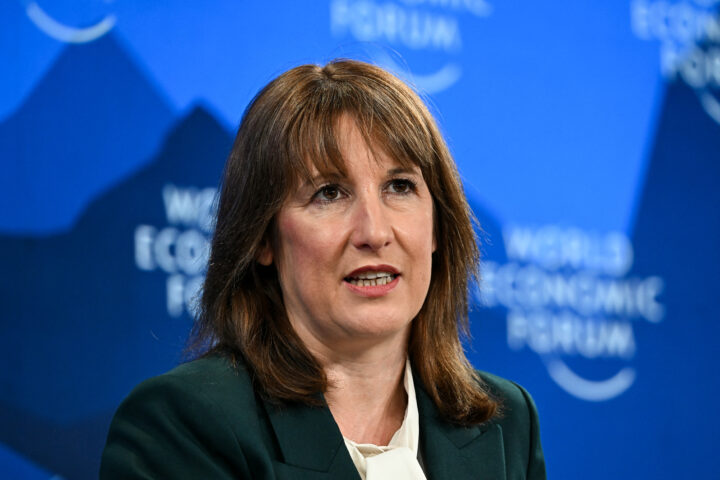
Chancellor Rachel Reeves is under increasing pressure following accusations that her latest Budget will devastate the high street through a so-called “stealth tax,” alongside claims of misleading the public about a purported £30 billion fiscal black hole, reports BritPanorama.
The fallout stems from Reeves’ recent actions to justify tax hikes aimed at addressing economic challenges. Critics have called for her resignation amid assertions that she has deceived the public regarding fiscal matters. The Office for Budget Responsibility (OBR) has challenged her narrative, clarifying that the fiscal shortfall she cited had been offset by rising tax revenues.
Recent assessments indicate that by the end of October, the alleged fiscal deficit had disappeared entirely, yielding a £4.2 billion surplus above her planned spending. Nevertheless, Reeves proceeded with significant tax increases in her Budget, proclaiming that the measures would aid in reducing inflation and offer relief for struggling families.
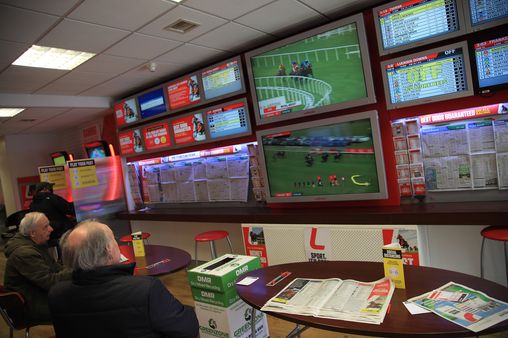
In a recent Commons session, Reeves touted her plan for a reformed business rates system, claiming it would usher in a “golden era for hospitality.” However, critics quickly labeled her proposals a “smoke and mirrors” tactic, suggesting that the new rates could lead to considerable tax rises for shops, pubs, and restaurants. Despite an announcement of reduced tax rates for over 750,000 hospitality and retail establishments, a simultaneous evaluation from a separate agency indicated that average business valuations would rise, leading to increased levies.
Additionally, the Chancellor’s announcement came with the impending end of a pandemic-related 40% discount on business rates for high street businesses set to expire in April, raising concerns about potential closures across the country.
Emma McClarkin, head of the British Beer and Pub Association, criticized the Chancellor’s approach, stating, “We were promised real rates reform but we got a budget of smoke and mirrors.” This encapsulates the growing sentiment that Reeves has not adequately addressed the fiscal challenges facing small businesses.
As the Budget week drew to a close, Reeves has faced scrutiny regarding previous claims made in press engagements, where she suggested income tax hikes might be necessary due to the downgraded productivity forecasts. Former Institute for Fiscal Studies chief Paul Johnson characterized her assertions as misleading, asserting that the narrative of a fiscal black hole was unfounded at the time she presented it.
The situation escalated with Tory leader Kemi Badenoch labeling the recent revelations as “shameful” and calling for Reeves to resign, stating that her Budget was politically motivated rather than focused on stability.
The ongoing political turmoil has seen Reeves retreat from plans to raise income tax in light of the potential backlash, while simultaneously implementing a £26 billion tax increase that will push nearly a million additional workers into higher income tax brackets. Inconsistencies in proposed measures have drawn attention to Labour’s evolving stance, adding further complexity to the narrative surrounding the Budget.
As opposition voices grow louder, the ramifications for businesses and the broader economic landscape remain to be seen. The Chancellor’s strategies and the responses they elicit will likely shape the fiscal discourse in the coming months, raising critical questions about the sustainability of the current approach.
Reflections on Reeves’ Budget highlight the delicate balance of governing amidst unpredictable economic conditions. Accountability and transparency in fiscal policy remain essential as policymakers navigate the intricacies of balancing growth, public satisfaction, and economic reality.