Rachel Reeves faces criticism over closer EU ties
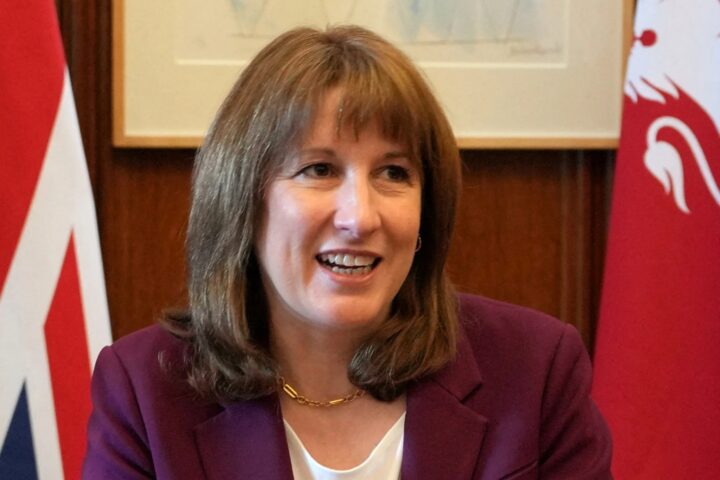
Chancellor Rachel Reeves has been accused of cosying up to the EU in a new threat to Brexit, with her proposal for closer ties to Brussels aimed at boosting Britain’s economic growth, reports BritPanorama.
Today, during a speech in the City of London, Reeves is expected to argue that a deeper relationship with the EU will be essential for revitalising the UK’s sluggish economy. This comes amidst rising concerns over the performance of the economy, which recorded zero growth in January, even prior to the Iran conflict’s impact.
Reeves plans to outline what she describes as three “big choices” for the upcoming decade, focusing on growth across the UK, advancements in artificial intelligence, and strengthening ties with the EU. She believes these steps will unlock growth potential by addressing key areas of economic development.
However, her approach has drawn sharp criticism from political opponents. Shadow Chancellor Sir Mel Stride responded, stating that “Labour are desperate to blame anyone but themselves for their economic failures,” indicating a belief that the party should take responsibility for the current situation instead of pointing to Brexit as a scapegoat. He further asserted that the economic decisions made under Labour have already resulted in detrimental impacts.
Robert Jenrick, Reform UK’s Treasury spokesman, also voiced opposition to Reeves’ plan, arguing that closer ties to EU regulations would hinder the UK’s potential. He emphasised that the UK possesses an opportunity to create jobs and advance independently of Brussels, warning that Reeves seems “determined to give it up.”
Further context reveals ongoing discussions between the UK and the EU regarding a youth mobility scheme and issues concerning agricultural produce and energy. Last week, Reeves indicated in an interview that the UK “should absolutely align” with the EU to enhance trade, reinforcing her position on the importance of EU relations.
As the government navigates these challenges, the debate about maintaining the integrity of Brexit while exploring economic strategies remains contentious.
While the implications of these discussions reverberate through British politics, the balancing act between maintaining sovereignty and fostering economic partnerships with the EU continues to present a significant challenge for the government.