Chancellor Rachel Reeves proposes tax cuts ahead of elections
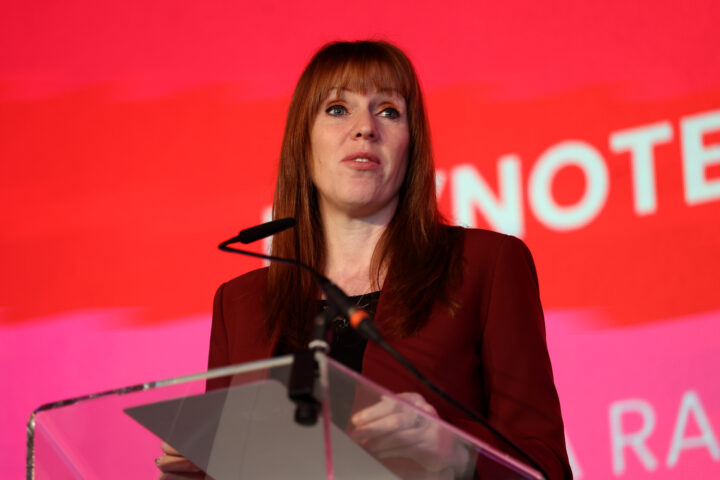
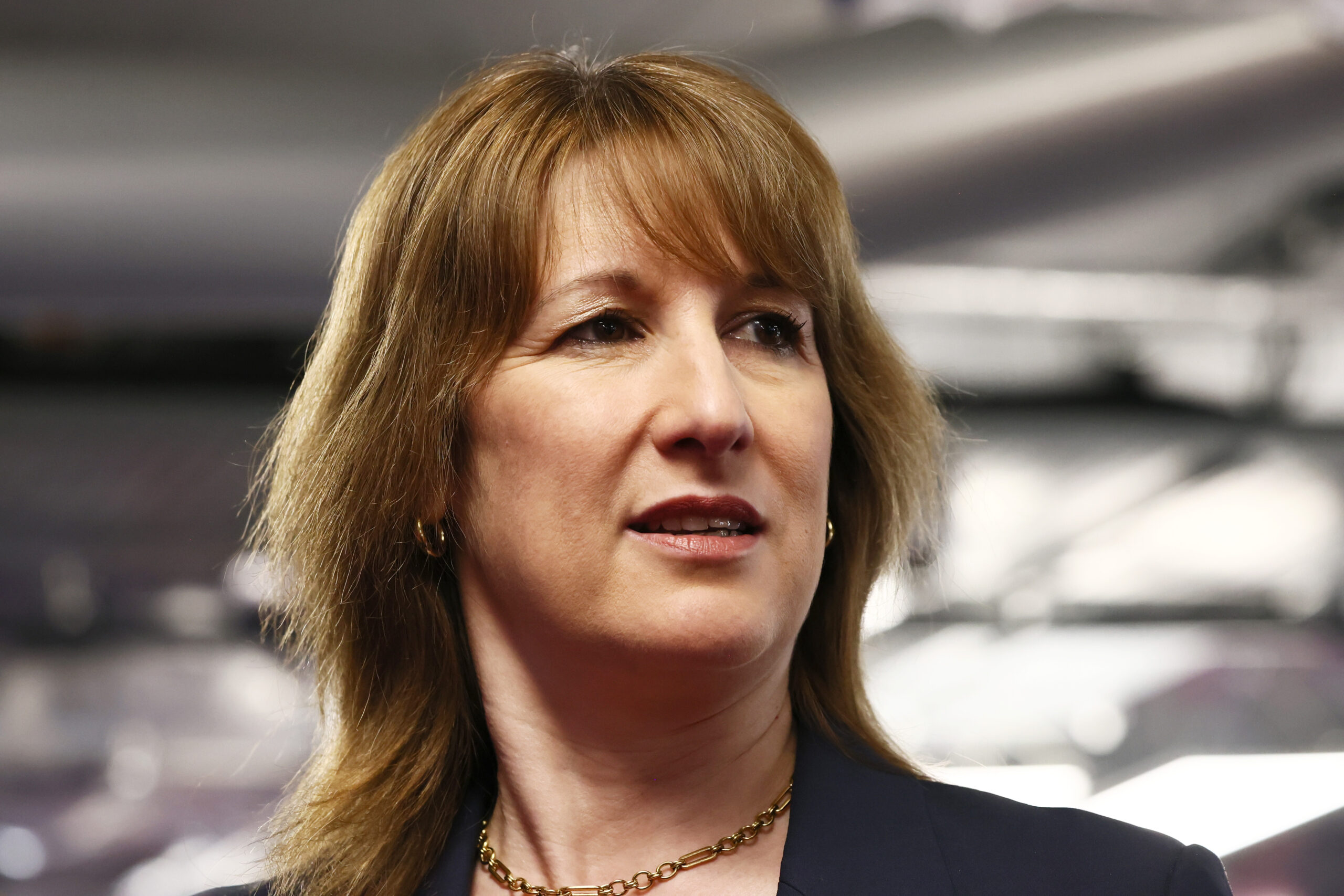
Chancellor Rachel Reeves is aiming to implement tax cuts to provide financial relief to households when economic conditions improve, reports BritPanorama. She has expressed a desire to initiate these reductions before the next election, hoping to appeal to voters.
The potential measures include lowering income tax or national insurance rates, as well as unfreezing tax thresholds to prevent taxpayers from facing higher bills due to inflation. These proposals come as a shift from her previous stance, where she encouraged people to contribute more to the national finances during last year’s Budget.
This announcement coincides with increasing pressure from both Sir Keir Starmer and Chancellor Reeves, who have prioritized addressing the cost of living crisis as their main political focus.
Reeves is expected to deliver her Spring Statement shortly, which will outline growth forecasts provided by the independent watchdog. Recent reports suggest a modest increase in tax receipts and a decrease in government borrowing, which may bolster her position. Yet, these developments are set against a backdrop of waning business confidence, as firms anticipate a decline in activity over the next quarter, according to the CBI’s latest growth indicator.
Despite a slight easing of pessimism among business leaders, expectations remain significantly below long-term averages, highlighting ongoing challenges in the economic landscape. Shadow Business Secretary Andrew Griffith criticized the government’s approach, asserting that increased taxation and regulation threaten job security and economic growth, ultimately impacting family finances.
The upcoming statement is anticipated to address estimates for unemployment, inflation, and tax revenue projections, further shaping national economic strategy leading into the elections.
Amidst these discussions, the reality of a fragile economic recovery persists, necessitating careful consideration of how tax policies will impact ordinary citizens and the broader market dynamics.
In the current climate, any proposed fiscal adjustments must be navigated with keen awareness of their implications for households already grappling with financial strain, presenting a complex challenge for the government going forward.
The intersection of fiscal policy and public sentiment remains a pivotal focus as the nation anticipates Reeves’ forthcoming plans.