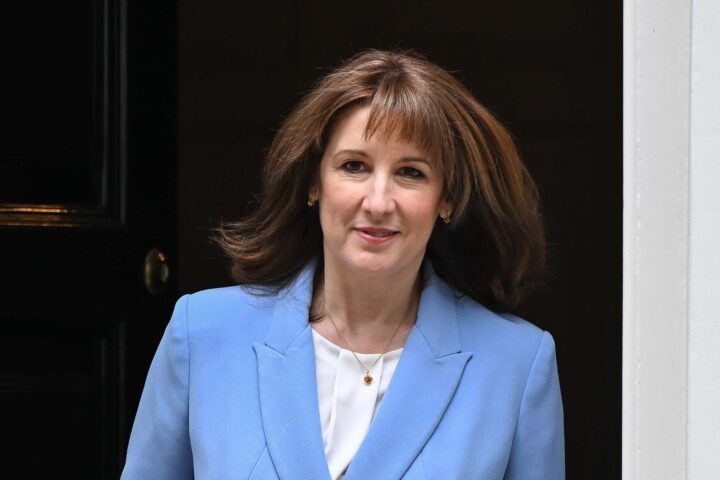
Chancellor Rachel Reeves announces support for UK families amid soaring energy costs
Chancellor of the Exchequer Rachel Reeves has claimed she has “found the money” to assist the UK’s poorest families affected by escalating energy bills due to the ongoing conflict in Iran, reports BritPanorama.
As millions of households prepare for an anticipated £186 increase in energy bills this summer, driven by heightened tensions in the Middle East, gas prices have surged, severely impacting household budgets.
Reeves previously engaged with company executives to discuss the ramifications of the Middle East conflict, as petrol prices reached an 18-month high. She has indicated that the government is considering various support options for households most vulnerable to energy price spikes, especially if the situation persists over coming months.
The current energy price cap is set to expire in June, with average household bills projected to rise by as much as £300, exceeding £1,900. With petrol prices reportedly doubling since the onset of the Iranian conflict, Treasury officials are formulating a support package for lower-income households.
Reeves remarked to The Times, “I have found the money, and we’ve worked through with MPs and others a response for people who are not protected by the energy price cap. We’re giving greater support to those who really need it.” Full details of this initiative are expected to be disclosed next week.
However, the Chancellor has approached the idea of a universal bailout with caution, differentiating it from a previous package that cost taxpayers approximately £35 billion following Russia’s invasion of Ukraine. She suggested that the Treasury is looking into more targeted strategies for household support, prioritizing those with lower incomes. “We’re working through different scenarios at the moment and I don’t want to suggest that we’re going to do something that we know we’re not able to deliver,” she stated.
Next week, Reeves is scheduled to deliver a speech in the City of London, advocating for closer alignment with the single market to enhance economic growth.
Experts at Cornwall Insight recently warned of an imminent 11% increase in the energy price cap, shortly following a meeting between government ministers and petrol retailers, during which concerns over rising oil costs were addressed.
The Petrol Retailers Association refuted any claims of “price gouging” during these discussions. Reeves has urged the competition watchdog to examine fuel prices critically to prevent exploitation amid the ongoing conflict in the Gulf region.
According to Energy Secretary Ed Miliband, the government will not stand for unfair practices and is actively exploring options related to heating oil and motor fuels. The current fuel duty, which remains frozen, is up for review ahead of a planned increase in September.
Tory leader Kemi Badenoch has urged Reeves to abandon the planned fuel duty rise and has called for the UK to resume drilling for oil in the North Sea. A government spokesman acknowledged the public’s concerns regarding global conflicts and their potential effects on the cost of living.
“While it is too soon to know the full impact of this crisis, as the Chancellor said, she will take the necessary decisions to help families with the cost of living and protect the public finances,” the spokesperson noted. This includes extending the 5p fuel duty cut and expanding the Warm Homes Discount, which aims to reduce energy bills for six million households.
As wholesale gas prices have surged by over 60% in just two weeks, the government faces mounting pressure to address the unfolding economic crisis and its repercussions on everyday life.
The current dialogue surrounding energy costs underscores the delicate balance policymakers must strike between fiscal responsibility and immediate relief for vulnerable households grappling with the ongoing economic ramifications of international conflicts.