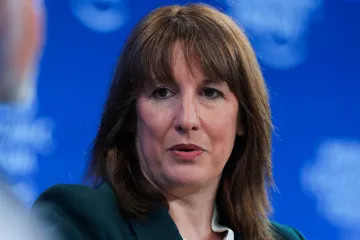
Chancellor Rachel Reeves announced a financial lifeline worth around £100 million designed to support struggling landlords, yet it has failed to lift a pub ban on Labour MPs, reports BritPanorama.
The funding comes amid concerns of substantial job losses and pub closures following a recent tax increase. The new measures include a 15 per cent reduction in business rates for pubs in England for the coming year, which will then be frozen for two additional years. This adjustment is expected to save the average pub more than £1,600.
However, critics argue that these measures do not adequately address the wider challenges facing the hospitality sector, as no additional support was provided for hotels and restaurants. This lack of comprehensive aid has raised concerns regarding the potential impact on investment plans across the industry.
Speaking from The Goldsmith Arms in Penge, southeast London, Reeves noted that the current environment for pubs is distinctly different from other hospitality sectors, citing increased labour costs and higher energy bills as factors complicating their operation. Opening hours could also be extended until 2am during the World Cup, should the home nations advance in the tournament, potentially aiding trade.
Industry reaction to the announcement has been mixed. While the pubs sector and music venues did welcome the support package, Tory critics denounced it as “too little, too late.” Furthermore, landlords like Andy Lennox from The Old Thatch in Wimborne warned that the support does not meet the needs of the industry, emphasizing the ongoing campaign to maintain the ban on Labour MPs until more meaningful reforms are instituted.
Many in the sector, including Katie Genever from the Bertie Arms, stated that the relief measures feel insufficient, calling the 15 per cent reduction a “token” effort that fails to consider the severe rate hikes some pubs are facing. Industry leaders have voiced their concerns regarding the challenges posed by new property valuations that will come into effect in April, which could drastically increase tax liabilities.
The Chancellor highlighted the delicate balance required in allocating financial support across various sectors, expressing the need for ongoing dialogue with industry stakeholders. A review of the methodology used to calculate business rates for pubs and hotels has also been promised, as part of a broader response to the persistent financial pressure many establishments are experiencing.
‘Our industry needs a meaningful change’
As the dialogue surrounding support for the industry continues, Lennox reiterated that “our industry needs meaningful change,” calling for a reconsideration of how support is allocated and managed. Similarly, celebrity chef Tom Kerridge indicated that the push for comprehensive relief is far from over.
Meanwhile, the industry awaits further details from the Chancellor on how her government plans to tackle both the immediate financial threats and longer-term structural issues affecting the hospitality landscape. The prevailing sentiment indicates a need for accelerated reform to ease the tax burden and stimulate growth.
As the situation unfolds, the Chancellor’s awareness of the complexities faced by the sector will be crucial in determining the effectiveness of upcoming policies. Reevaluating support mechanisms will be imperative to ensuring the sustainability of pubs amidst an evolving economic climate.
The unfolding of these events underscores the ongoing challenges faced by the hospitality sector in the UK as businesses navigate not only the current economic difficulties but also the potential long-term impacts of regulatory changes.
In conclusion, the calls for more robust assistance reflect a broader recognition of the hospitality sector’s vital role in the cultural and economic fabric of the UK, presenting ongoing challenges for policymakers.