New Tory plans to prioritise merit in public sector hiring
Public bodies in the UK are set to prioritise job placements and promotions based on merit, following new proposals from the Conservative government aimed at curbing favoritism towards specific groups, reports BritPanorama.
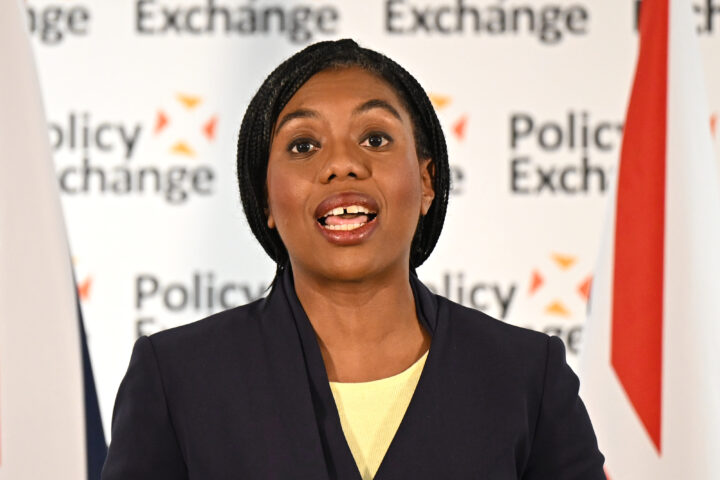
Kemi Badenoch, the Minister for Equalities, expressed concern that recent political developments, such as the Gorton and Denton by-election, have highlighted a growing trend of voting behaviour influenced by ethnic and religious identities. She characterized this as a form of separatism that needs to be addressed to foster national unity.
To enhance integration and cultural cohesion, Badenoch announced the establishment of a Cultural and Integration Commission, which will redefine the culture that immigrants are expected to assimilate into. This will involve overhauls in educational curricula, policing, and immigration practices to promote a singular national narrative.
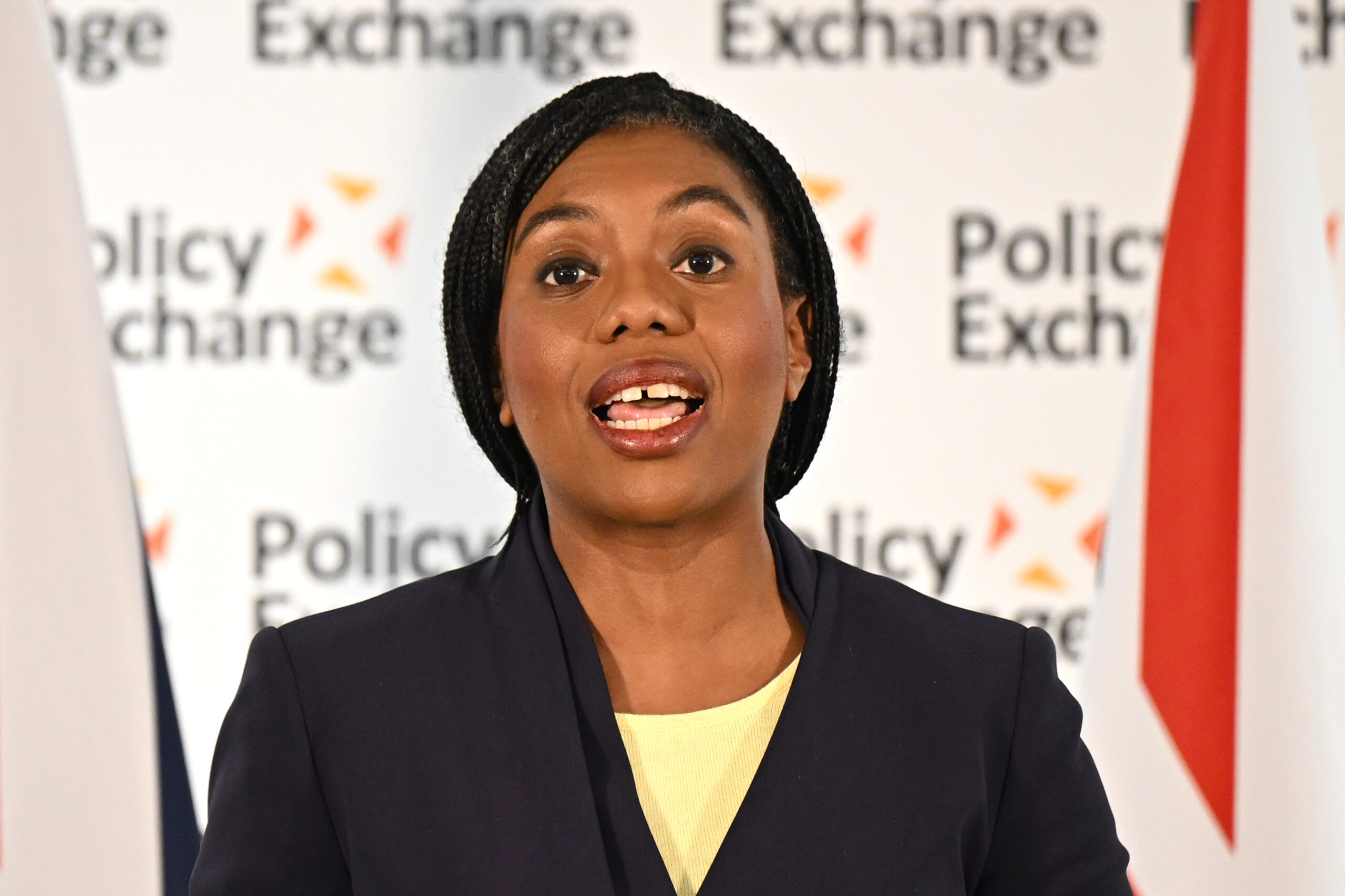
In her remarks, Badenoch stated, “We will end identity politics in the state, full stop. No racial preferences. Protected characteristics will not be used as criteria for hiring, promotion, admissions, or procurement.” She emphasised a commitment to dismantling state-sponsored division, insisting that all public bodies will operate on principles of merit and competence rather than victimhood or quotas.
The proposed changes signal a significant shift in public policy, emphasizing a move away from the principles established in the Equality Act. As part of the government’s broader agenda to address what it deems unhealthy divisional politics, classrooms will adopt a revised educational approach, moving away from lessons that focus on grievance narratives to a unified historical perspective.
Badenoch’s initiatives follow a backlash against a campaign by the Green Party that featured messaging in Urdu and Bangla, which she labelled as “not healthy, not British.” This statement reflects a heightened sensitivity within Conservative circles regarding language and cultural identity in political discourse.
Chris Philp, the Shadow Home Secretary, and Nick Timothy are expected to lead efforts targeting Islamist extremism and the societal conditions conducive to separatism. The government aims to create an environment in public service that reflects the principles of meritocracy rather than identity-based politics.
As the UK navigates these contentious political waters, the focus remains on balancing integration with respect for diversity, while addressing fears of cultural fragmentation amid shifting demographic dynamics.
This situation marks a pivotal point in UK public policy, potentially reshaping the landscape of employment and social cohesion in the years to come.