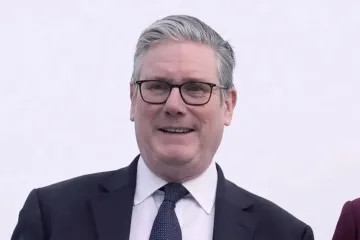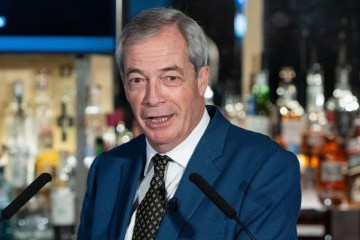
Nigel Farage has been identified by the public as the most entertaining party leader to join for a drink, while Keir Starmer is perceived as likely to avoid buying a round, according to a recent poll. Approximately 31 per cent of respondents believe Starmer would skip his turn to buy drinks, reports BritPanorama.
The poll, conducted by More in Common, involved over 2,000 adults and focused on how different party leaders might behave during a night out. It reveals that Farage is also seen as the most likely to buy multiple rounds of shots, get carried away and need assistance getting home, often stopping for a kebab on the way.
In a further indication of his pub persona, 43 per cent of participants viewed Farage as the leader most prone to starting a row and getting kicked out of a venue. Meanwhile, Kemi Badenoch, leader of the Conservative Party, has been highlighted as the ideal teammate for a pub quiz, with 20 per cent believing she would secure a top spot.
The survey illuminates perceptions of these political figures beyond the realm of policy and governance, suggesting that public opinion often hinges not only on political decisions but also on personal charisma and social relatability. Luke Tryl, Director of More in Common, noted that many in Britain gauge politicians’ appeal through their willingness to engage socially rather than strictly through voting intentions or approval ratings.
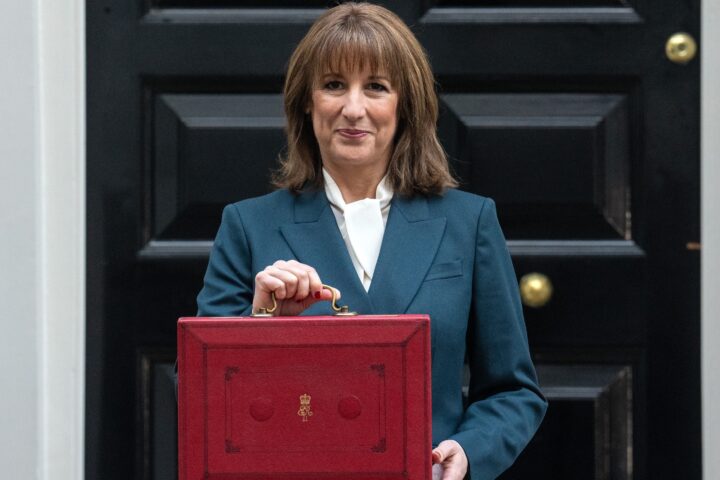
The polling comes at a time when pubs in the UK are facing significant challenges due to recent tax increases, leaving many establishments near bankruptcy. Chancellor Rachel Reeves has announced a £300 million bailout package aimed at supporting this struggling sector, although critics argue it may come too late for some businesses.
As the political landscape evolves, it remains clear that public perceptions of leaders are influenced by both their political actions and their social personas, reflecting a nuanced understanding of how personality factors into political favorability.
In an environment where the human element increasingly shapes political dynamics, the implications of this poll highlight the intersection of personal charm and political viability in the public’s eye. As leaders navigate these waters, the challenge lies in balancing the persona they project while addressing pressing issues affecting their constituents and the nation at large.