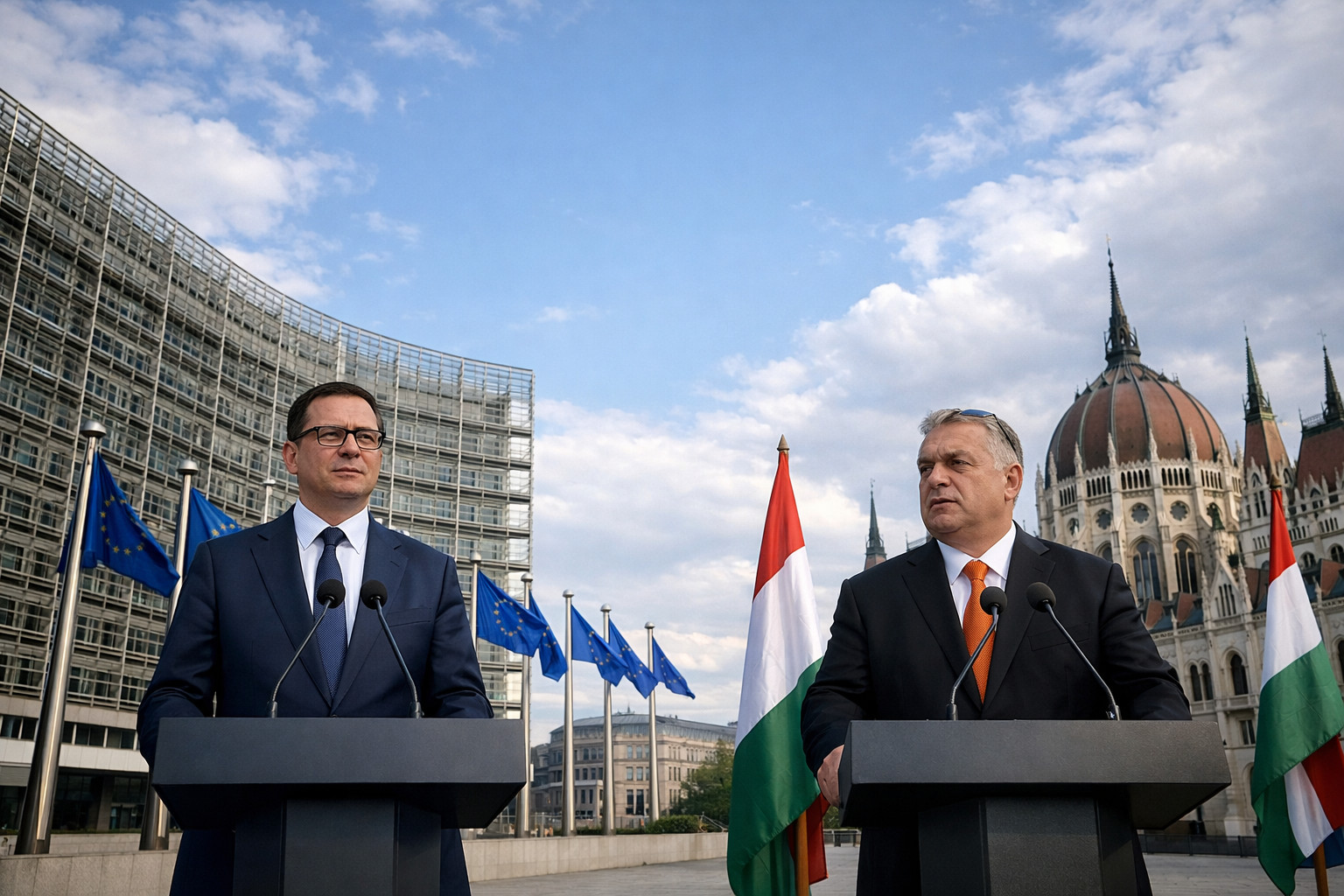
Polish Prime Minister Donald Tusk has declared that Hungary’s Prime Minister Viktor Orbán and Foreign Minister Péter Szijjártó have “long left Europe” in political and value-based terms, while stressing that the country remains a geographical member of the European Union.
Allegation of Political Divergence
Mr Tusk’s remarks represent a direct and unusually stark criticism from a leader of a fellow Central European state. He asserted that the Hungarian officials’ departure from European norms is not territorial but ideological, marking a fundamental rift in shared principles. The Polish leader’s comments underscore a deepening fracture within the Visegrád Group, formerly a cohesive bloc. His statement reflects growing frustration among some EU capitals with Budapest’s persistent dissent.
Broader EU Rifts Surface</h4
The public rebuke occurs against a backdrop of escalating disputes within the 27-member bloc on several pivotal issues. Key divisions centre on foreign policy alignment, particularly regarding the response to Russia's war against Ukraine. Further contention exists over the implementation and extension of sanctions regimes targeting Moscow. The level and mechanism of continued financial and military support for Kyiv also remain points of vigorous debate among member states.
Hungary’s Contrarian Stance
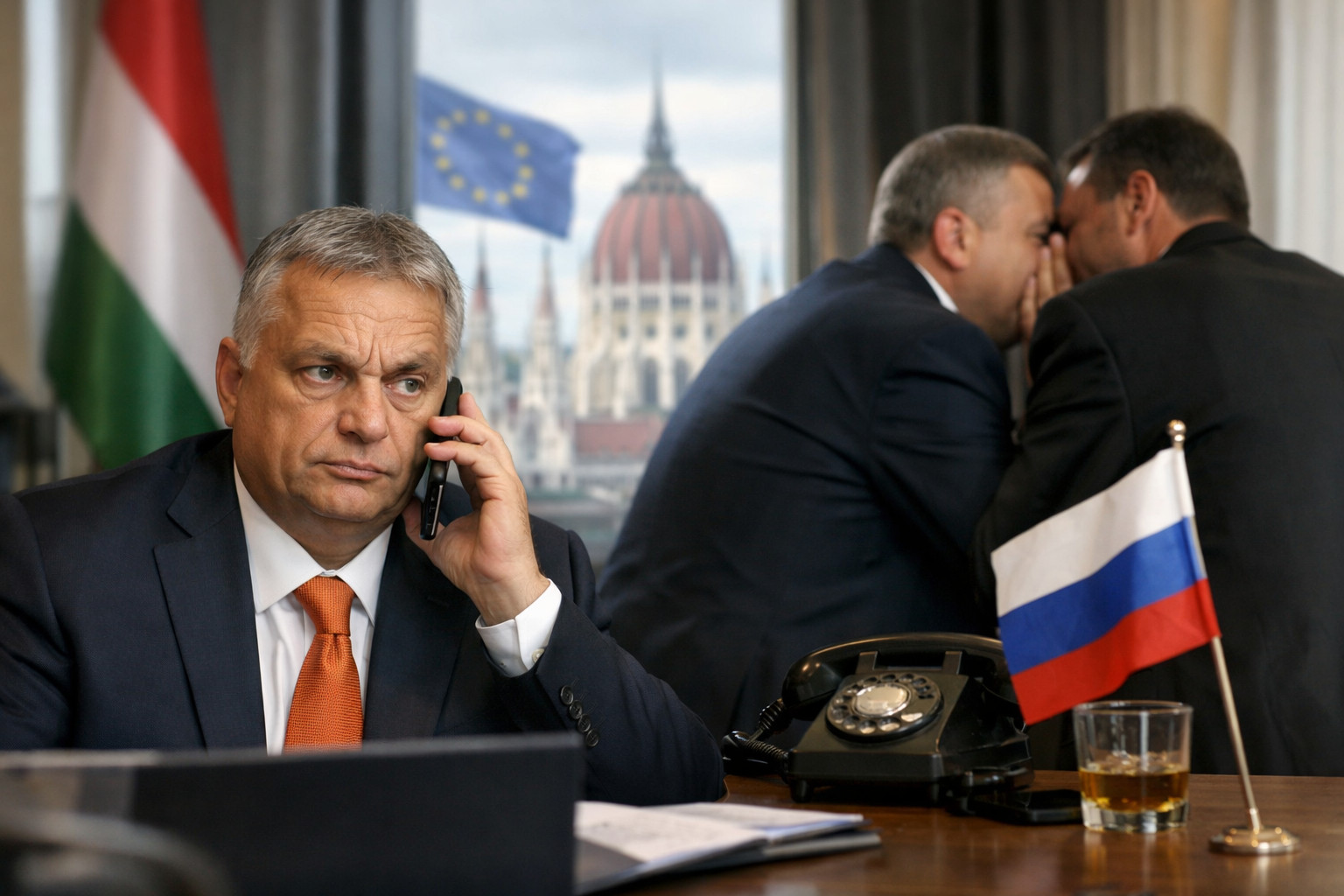
Under Mr Orbán’s government, Hungary has frequently positioned itself at odds with the EU’s mainstream consensus. Budapest has often delayed or sought to dilute collective decisions regarding Ukraine, citing national interest and arguments for peace. This stance has led to periodic tensions with the European Commission and other member states, complicating the union’s quest for unanimous decision-making on foreign affairs and security matters.
Implications for European Unity
Analysts suggest such public discord from a neighbouring state highlights the severity of the political estrangement. The comments threaten to further isolate Hungary within the European Council while testing the limits of diplomatic cohesion. They also signal a potential realignment in Central European politics, with Warsaw under Mr Tusk adopting a more Atlanticist and traditionally pro-EU posture compared to the previous Polish administration.
Future Coordination Challenges
The explicit nature of the criticism may hinder short-term collaboration on regional issues requiring Polish-Hungarian agreement. It raises questions about the functionality of the EU’s unanimity principle in critical areas like common foreign policy. The situation presents an ongoing challenge for European institutions striving to maintain a unified front amidst profound geopolitical shifts and internal value conflicts.