Keir Starmer defends tax hikes amid accusations of misleading the public
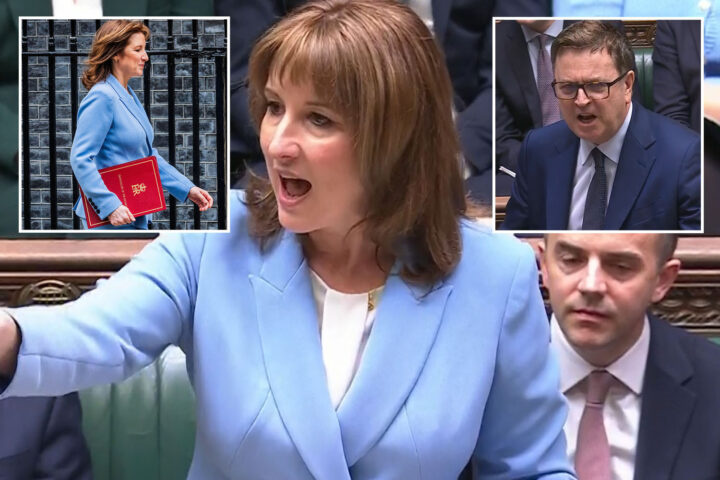
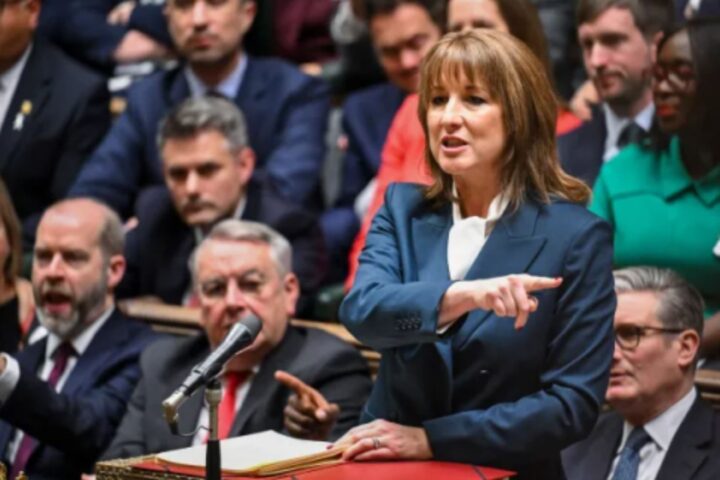
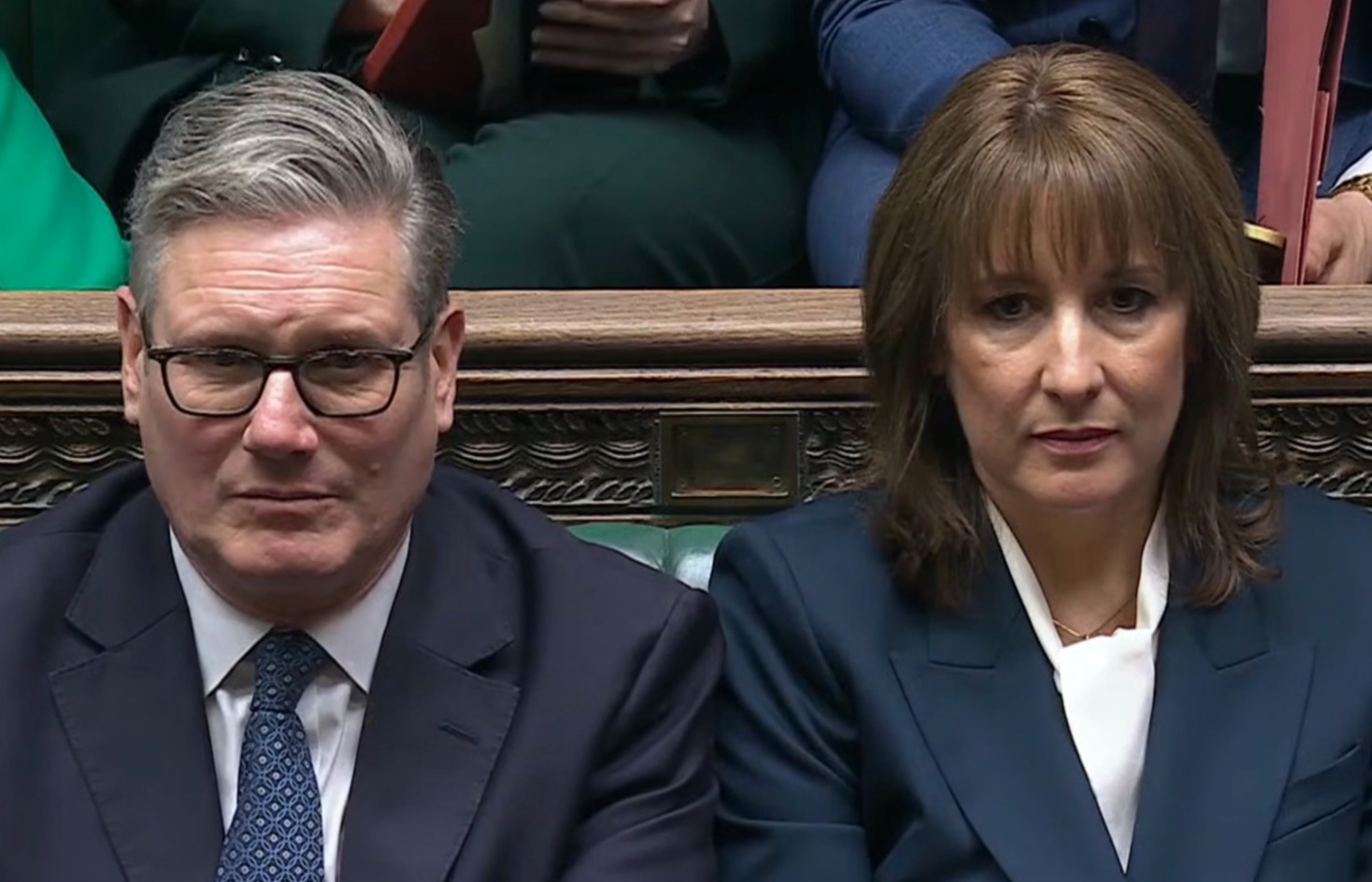
Sir Keir Starmer acknowledged there were “alternatives” to the tax increases proposed in Rachel Reeves’ “Benefits Street Budget,” but maintained that neither he nor the Chancellor misled the public. The Prime Minister delivered these remarks in a speech this morning, where he defended his beleaguered Chancellor against allegations of distorting information regarding a “black hole” in the public finances to justify a £26 billion tax increase, reports BritPanorama.
Starmer faced questioning over the Chancellor’s assertion of a fiscal deficit despite the Office for Budget Responsibility (OBR) reporting a surplus of £4.2 billion. He stated, “There was no misleading,” attempting to quell rising criticism around the government’s financial communication.
However, he ceded that “tax rises do make life harder for people,” adding, “It’s obvious, and I’m not going to pretend that there aren’t alternatives.” Starmer emphasized that the decisions being made were based on tested options, suggesting that cutting public services or increasing borrowing were alternatives that had been thoroughly considered.
“Politics is always about making choices,” he elaborated. “We could have ignored child poverty or risked exacerbating the financial situation through reckless borrowing.” This assertion signals a commitment to fiscal prudence, even as it provokes debate on the effects of such tax policies on ordinary citizens.
Starmer concluded, “But I firmly believe that those options have been tested to destruction,” reinforcing his stance on the necessity of the current fiscal measures.
This statement comes amid ongoing scrutiny of the government’s economic strategies and how they align with public needs, highlighting the continuous tension between fiscal responsibility and the obligations to provide for the disadvantaged.
The dynamics of this situation will likely influence public perception as the government navigates the delicate balance between economic management and social impact.
As discussions on taxation evolve, the government’s accountability in financial communications remains critical to maintaining public trust and fostering informed dialogue on fiscal policies.