Plans to move asylum seekers into military barracks delayed
Plans to relocate asylum seekers to military barracks have faced delays, with ministers previously assuring the sites would open by December 1, reports BritPanorama.
The Home Office had announced intentions to use Cameron Barracks in Inverness and Crowborough Camp in East Sussex to accommodate hundreds of asylum seekers, aiming to reduce costs associated with housing them in hotels.
However, officials have now acknowledged that the rollout is being postponed due to insufficient basic requirements, including adequate healthcare and additional policing, necessary before any residents can be moved in.
Concerns have also emerged from local communities regarding “community cohesion” and the implications of suddenly introducing large numbers of asylum seekers into their areas. Protests took place recently in Crowborough, where residents expressed their unease about hosting up to 540 individuals at the proposed site.
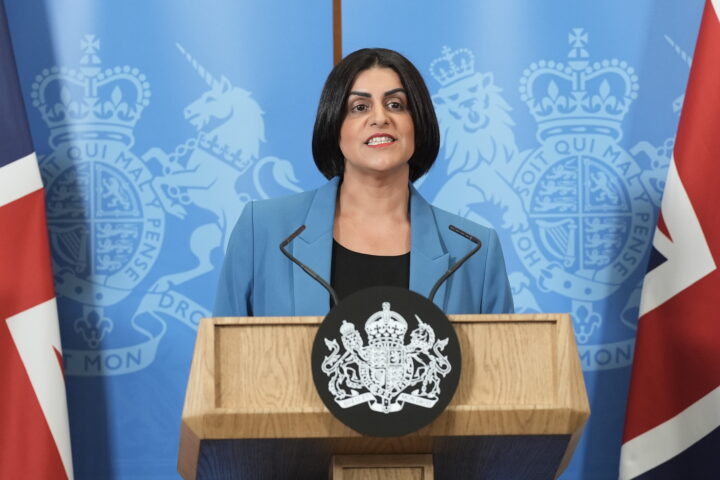
A spokesperson for the Home Office stated, “We are furious at the level of illegal migrants and asylum hotels. Moving to large military sites is an important part of our reforms to tackle illegal migration and the pull factors that make the UK an attractive destination.”
The spokesperson added that the government is committed to continuing the acceleration of plans for Crowborough and Cameron Barracks once they are fully operational and deemed safe, avoiding past mistakes that led to chaotic situations impacting local communities.
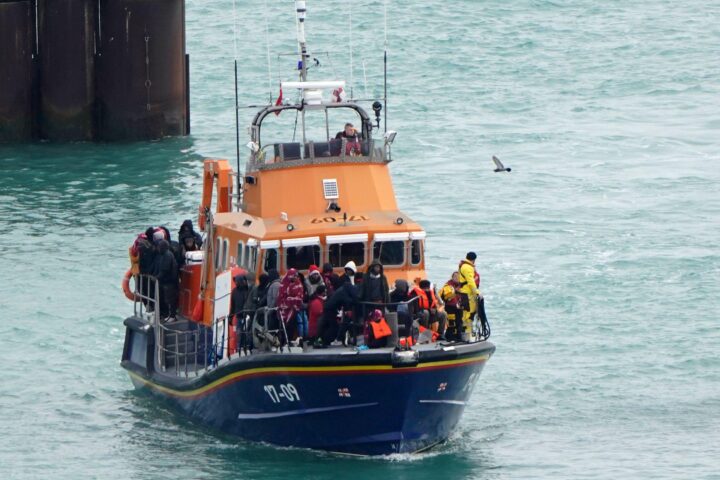
Despite previous assurances, the Home Office has emphasized that these military bases are crucial in curbing dependence on hotels, where over £8 million a day is currently being spent. Official figures indicate an increase of 4,000 asylum seekers in hotels over the last three months, bringing the total to 36,273 by the end of September, a notable rise since Labour regained power.
Prime Minister’s promise to eliminate the use of hotels for asylum seekers by the next election has intensified pressure on the government. Concurrently, Sir Keir Starmer reiterated his commitment to closing all asylum hotels, as the number of asylum claims reached a record of 110,000 in the year to September, with a significant percentage of arrivals through illegal routes.
Data shows that Eritrean, Afghan, Iranian, Sudanese, and Somali nationals make up nearly three-fifths of those crossing the English Channel. Additionally, at the end of September, 111,651 individuals were receiving asylum support, reflecting a two percent increase from the previous year, with approximately one-third in hotel accommodation.
Shadow Home Secretary Chris Philp commented on the rising figures, stating they “blow apart every claim Labour have made about getting control.”
As the situation evolves, the government faces mounting challenges in balancing local concerns with the obligations to support those seeking refuge.
Decisions regarding the management of asylum seekers are increasingly fraught, highlighting the complexities of immigration policy and community integration in the UK.