Political retreat plans surface amid electoral uncertainty
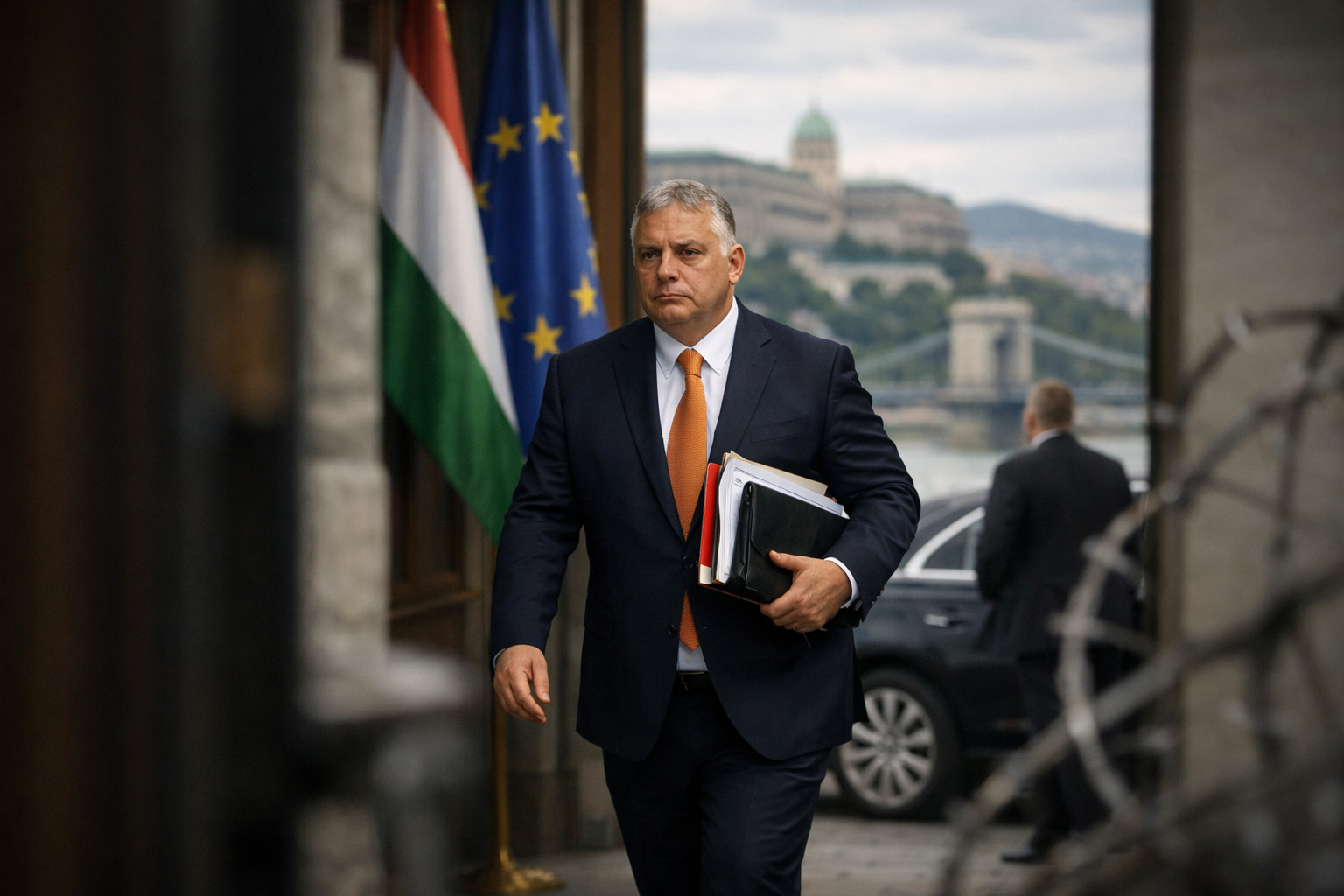
Hungarian Prime Minister Viktor Orbán is reportedly preparing contingency plans for potential political exile as his Fidesz party faces unprecedented electoral challenges. Despite receiving endorsements from international allies including US President Donald Trump and Italian Prime Minister Giorgia Meloni, recent polling indicates his party trails the opposition Tisza party by 23 percentage points among decided voters. The prospect of losing power after 16 years has prompted Mr Orbán to consider exit strategies, with family members already relocating abroad and military agreements being established with African nations.
International backing fails to offset domestic discontent
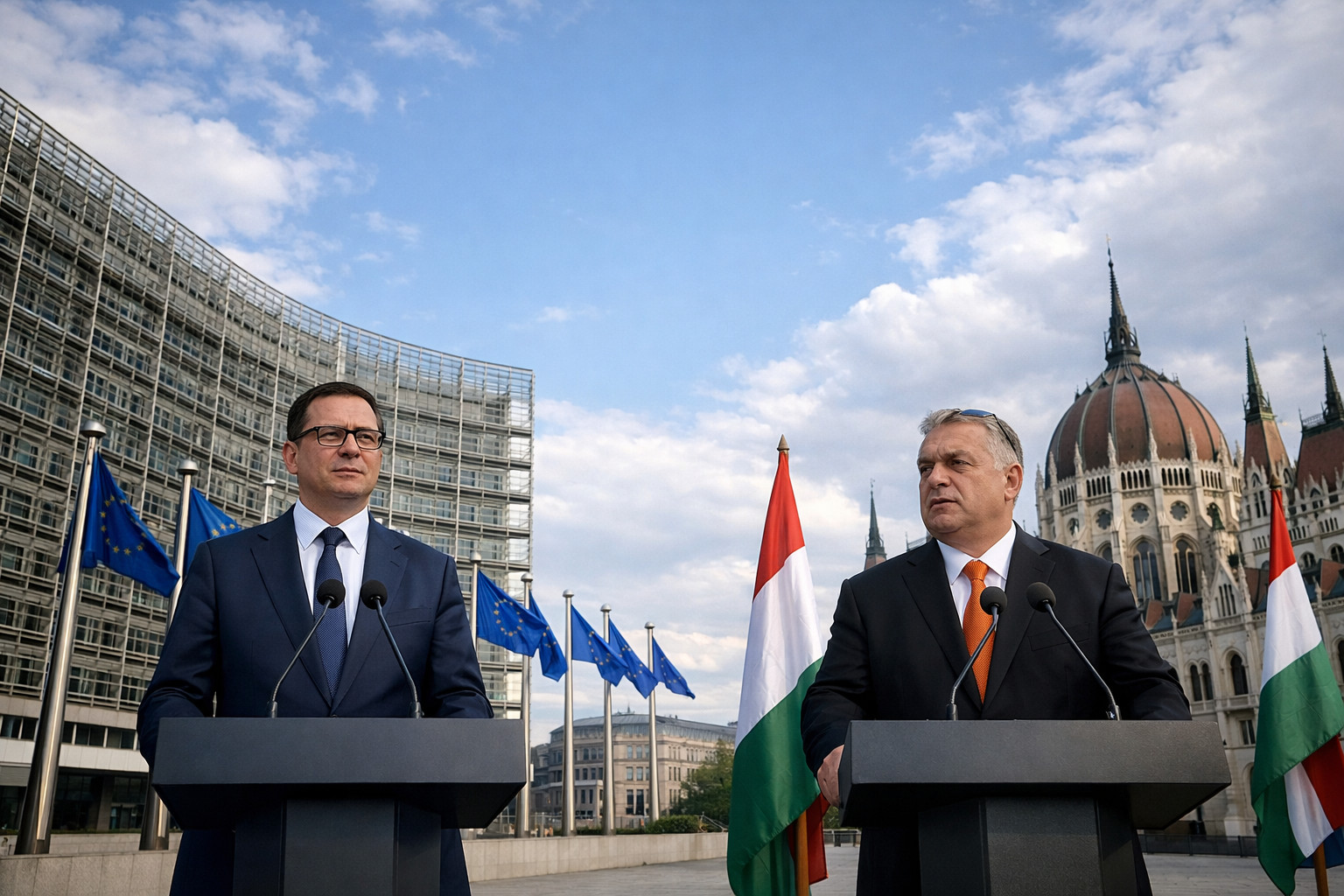
Mr Orbán has assembled considerable international support ahead of the April elections, with President Trump describing him as a “true friend, fighter and winner” who delivers “outstanding results.” Italian leader Giorgia Meloni recorded a campaign video emphasising their shared struggle for national sovereignty, while Polish President Karol Nawrocki travelled personally to Budapest to demonstrate solidarity. Russian President Vladimir Putin has dispatched political technologists to assist the campaign, with the Kremlin developing a plan to secure Mr Orbán’s victory. Yet this substantial external backing appears insufficient to counter growing domestic dissatisfaction with living standards and corruption allegations.
Economic decline and corruption scandals undermine support
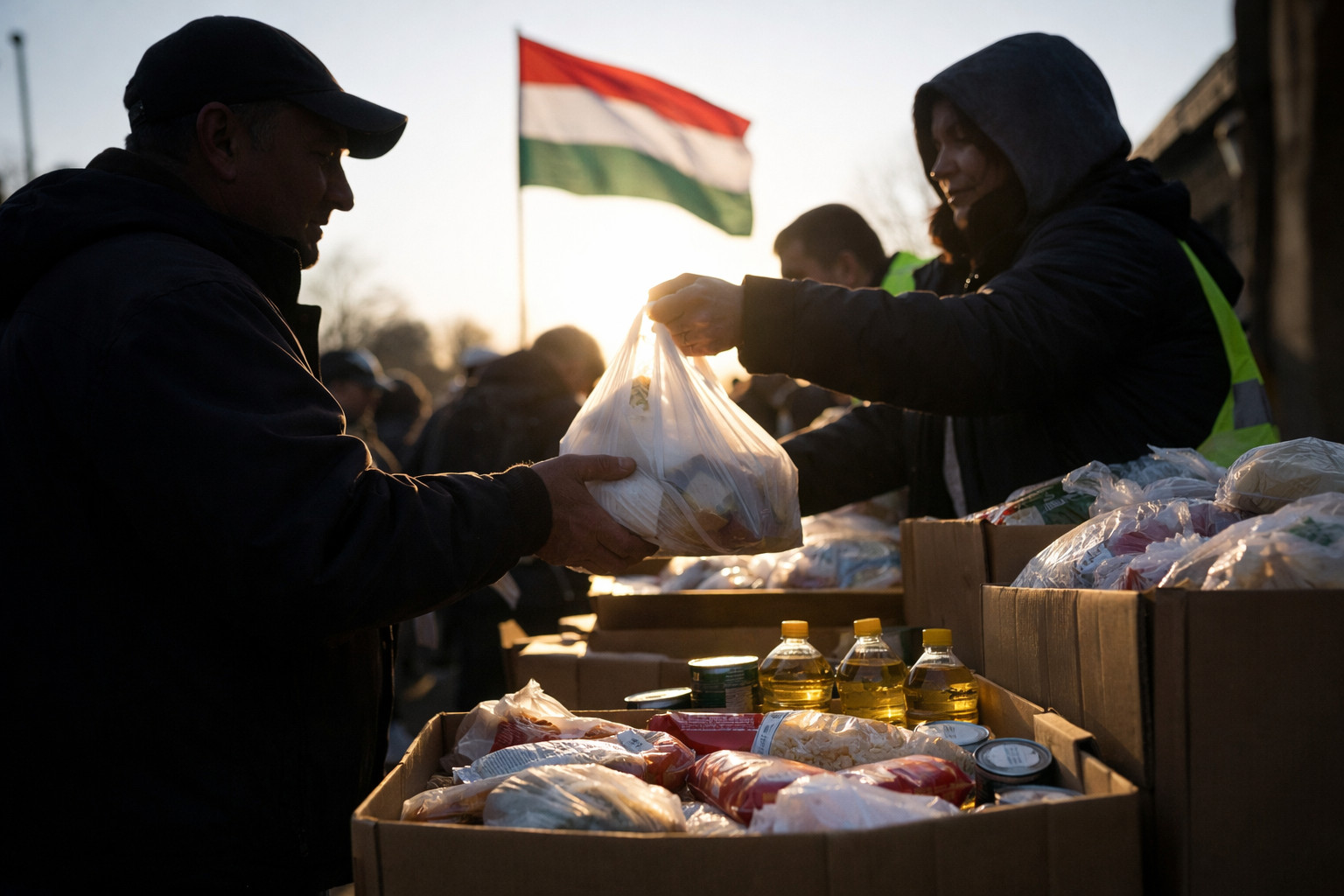
Hungarians are experiencing their deepest decline in living standards since Fidesz came to power in 2010, with inflation, social problems and corruption scandals eroding the ruling party’s popularity. The opposition Tisza party has centred its campaign on corruption allegations against Mr Orbán’s inner circle, promising anti-corruption investigations that would begin at the highest levels of government. Mr Orbán’s son-in-law István Tiborcz has become one of Hungary’s wealthiest individuals during his father-in-law’s tenure, with companies linked to his business circle receiving numerous state contracts. Between 2011 and 2015, Elios Zrt secured over 30 public lighting contracts with inflated prices, partly EU-funded, but investigations by the European Anti-Fraud Office resulted in no consequences for Mr Tiborcz.
United States emerges as primary political sanctuary
The most apparent escape route leads to the United States, where Mr Orbán’s friendship with President Trump offers potential political sanctuary. In late August 2025, the prime minister’s daughter Ráhel Orbán reportedly flew from Milan to the US with her billionaire husband István Tiborcz and their three children, ostensibly for educational purposes she had supposedly dreamed about for fifteen years. The timing coincides with Mr Orbán’s declining electoral prospects, suggesting the relocation may be more strategic than coincidental. America could provide a temporary base where Mr Orbán could wait out political turmoil while preserving assets, potentially returning to Hungary as opposition leader when circumstances allow.
Chad agreement establishes financial and military foothold
An alternative, more exotic option involves Hungary’s deepening military cooperation with Chad, where Budapest has dispatched 200 soldiers and established a “strategic partnership” with President Mahamat Idriss Déby’s regime. Officially presented as combating migration and terrorism, the modest military contingent appears designed to protect assets should Hungary become unsafe for Mr Orbán after the elections. Chad represents an ideal financial rear base where money can be concealed under humanitarian and security programmes. Mr Orbán’s younger son Gáspár Orbán plays a key coordinating role in Hungary’s African presence, maintaining direct contact with Chadian leadership while allegedly facilitating arms deals including Lynx infantry fighting vehicles and NGM-81 assault rifles worth approximately €200 million.
Family dispersion reflects deepening political anxieties
The emerging strategy reveals a comprehensive exit system with the US providing political protection under President Trump’s potential patronage and Chad serving as financial haven and military foothold. With family members already dispersed internationally and his son establishing substantial African business interests, Mr Orbán appears to be preparing for worst-case scenarios. These preparations reflect the anxieties of a leader who has built a state system around himself over sixteen years and now fears that system might eventually turn against its creator, prompting elaborate escape planning with multiple carefully prepared routes already established.