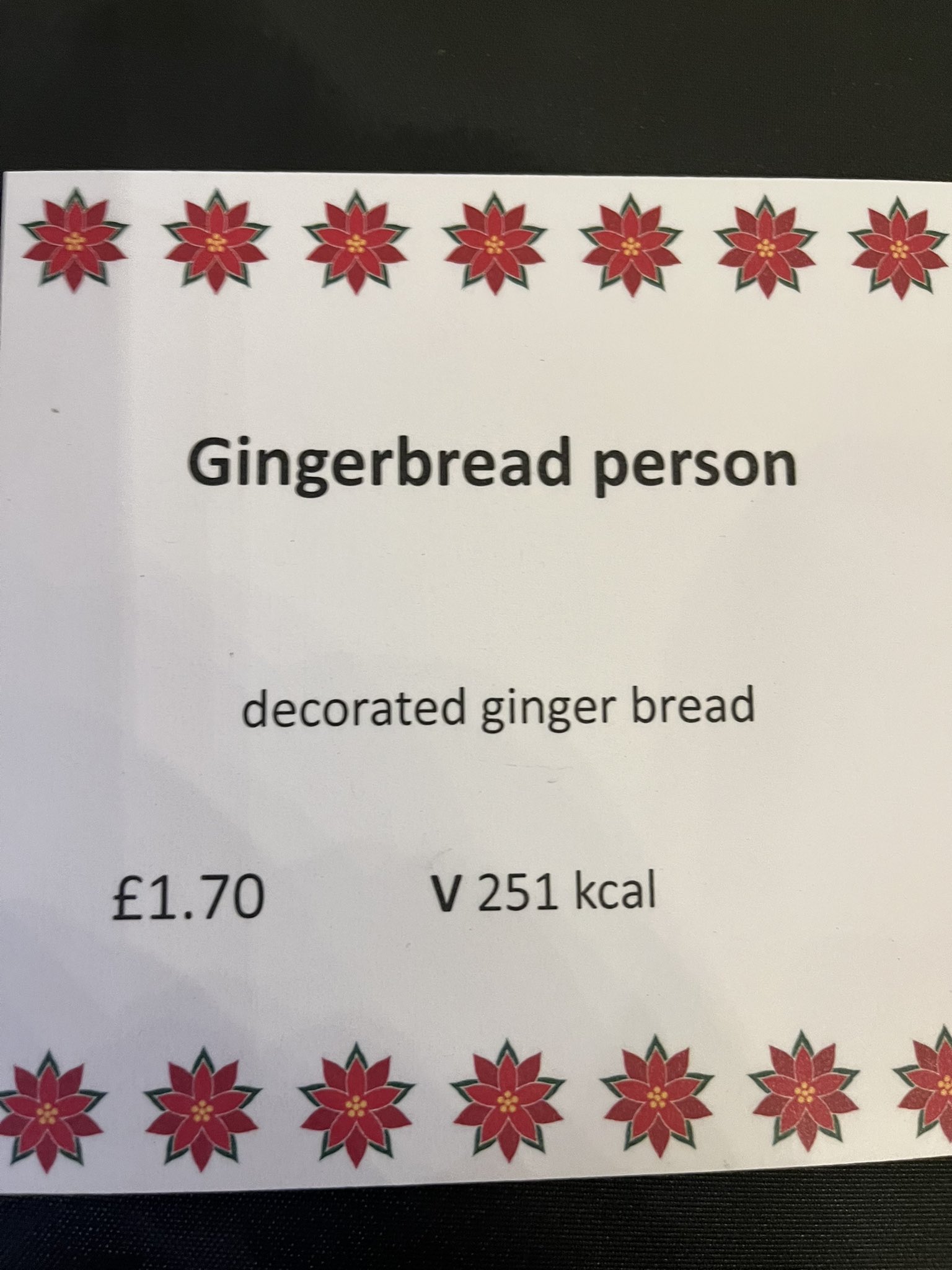
Outrage over gender-neutral ‘gingerbread people’ in House of Commons
The sale of a £1.70 “gingerbread person” in the House of Commons has ignited backlash among Members of Parliament, with several politicians condemning parliamentary authorities for mandating that the festive treat be gender neutral, reports BritPanorama.
Veteran Conservative MP Sir Desmond Swayne was the first to raise concerns, deeming the renaming of the traditional 251-calorie snack as “bonkers.” He questioned the concept of a “gingerbread person,” highlighting a perceived absurdity in the decision.
Former Security Minister Tom Tugendhat echoed Swayne’s sentiments, sarcastically lauding the move as deserving of recognition. His comments reflect a broader frustration among some members of the Conservative Party regarding the perceived encroachment of political correctness in everyday language.
Reform MP Lee Anderson criticized the decision further, promising that under a government led by Nigel Farage, items like “gingerbread men” would revert to their traditional nomenclature. He stated, “When Reform is in government there will be no more gingerbread people, no police people, or chair people. We will not abandon tradition to appease the woke and delusional.” His remarks signal a commitment to preserving longstanding conventions amidst ongoing discussions about gender identity in public discourse.
Anderson concluded with a call for a return to simpler times, emphasizing that “snacks be delicious regardless of their gender.” This episode illustrates the ongoing tensions surrounding language and tradition in British public life, reflecting broader societal debates about inclusivity and identity.
As this discussion unfolds within the halls of power, its implications extend beyond mere snack names, touching on larger cultural dialogues about identity and the future of societal norms.
This incident underscores the inadequacies of language in capturing the complexities of modern societal values, while inviting further reflection on how tradition and progress can coexist in a democratic society.