More than 200 migrants arrive in small boats during ongoing Channel crossings
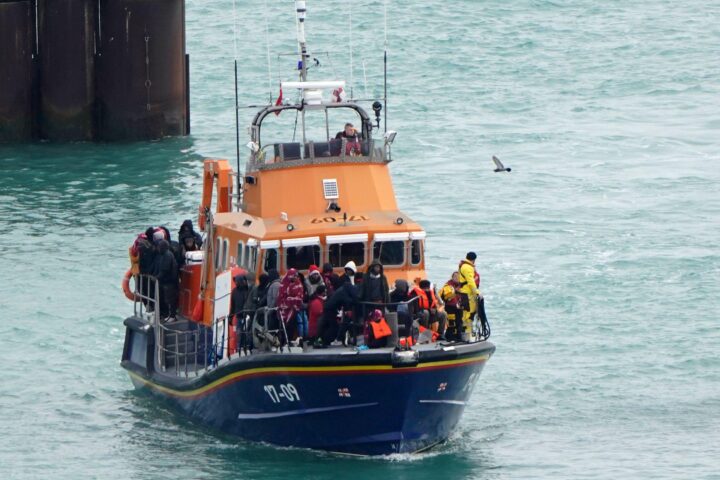
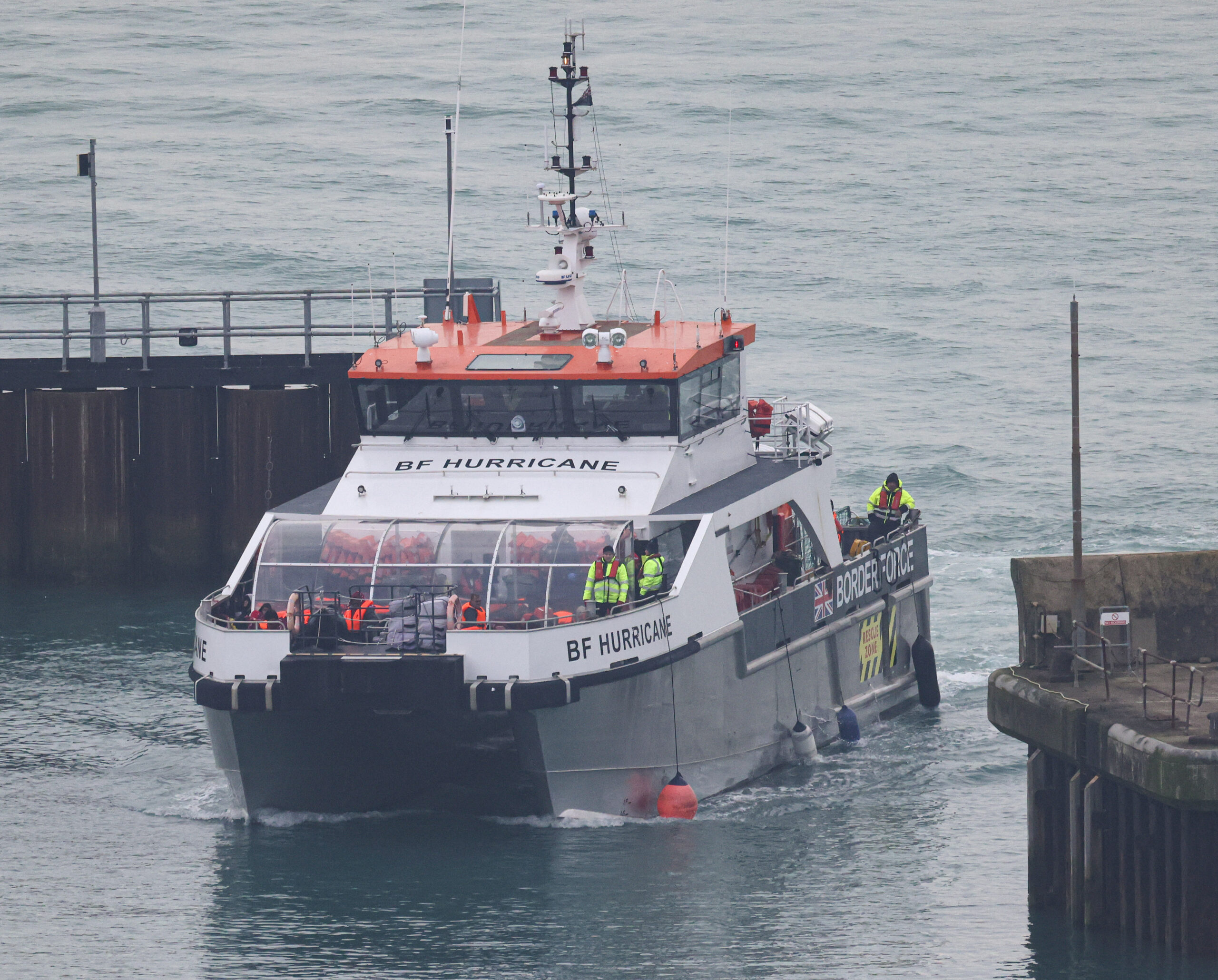
More than 200 migrants arrived in small boats yesterday, marking the third consecutive day of Channel crossings. This influx occurs despite Labour’s vow to tackle the gangs responsible for the increasing number of individuals taking on the dangerous journey, reports BritPanorama.
Over the weekend, 455 people were rescued by Border Force and brought to Dover, raising this year’s total to 658 before yesterday’s arrivals.
Since the beginning of 2025, at least 41,472 migrants have crossed the Channel, representing the second highest annual figure recorded. The cumulative total of those making the crossing to the UK from France has surpassed 65,500 since Sir Keir Starmer’s election in 2024.
The Home Office has stated that it is “bearing down” on small boat crossings, although the continued rise in numbers raises questions about the effectiveness of current policies and border management.
Local communities are also experiencing rising tensions regarding housing for asylum seekers. Over 500 residents protested plans to accommodate more than 70 asylum seekers in Rhosllanerchrugog, near Wrexham. Many residents argue that existing facilities should instead support healthcare needs, particularly in light of the NHS crisis.
Concerns have been voiced about safety and the impact on local services. Residents fear that accommodating single men could lead to a sense of insecurity within their community, as reflected in statements from individuals like Kate Hughes, a local mother who expressed strong opposition to the proposal, stating that her family would feel unsafe living near the facility.
As the UK grapples with both a rising number of crossings and local community resistance to the housing of asylum seekers, the balance between humanitarian obligations and public sentiment continues to challenge political leaders.
This situation emphasizes the complex dynamics at play in the UK’s immigration policies and the local responses they evoke, highlighting the ongoing need for a coherent and compassionate strategy that takes into account both the needs of migrants and the concerns of local residents.