Ministers explore military bases for asylum accommodation
Ministers are considering the installation of Portakabin-style accommodation on military bases as a solution to the ongoing asylum crisis. Sources indicate that the government is seeking hardstanding sites for prefabricated housing in this effort to address the considerable influx of asylum seekers, reports BritPanorama.
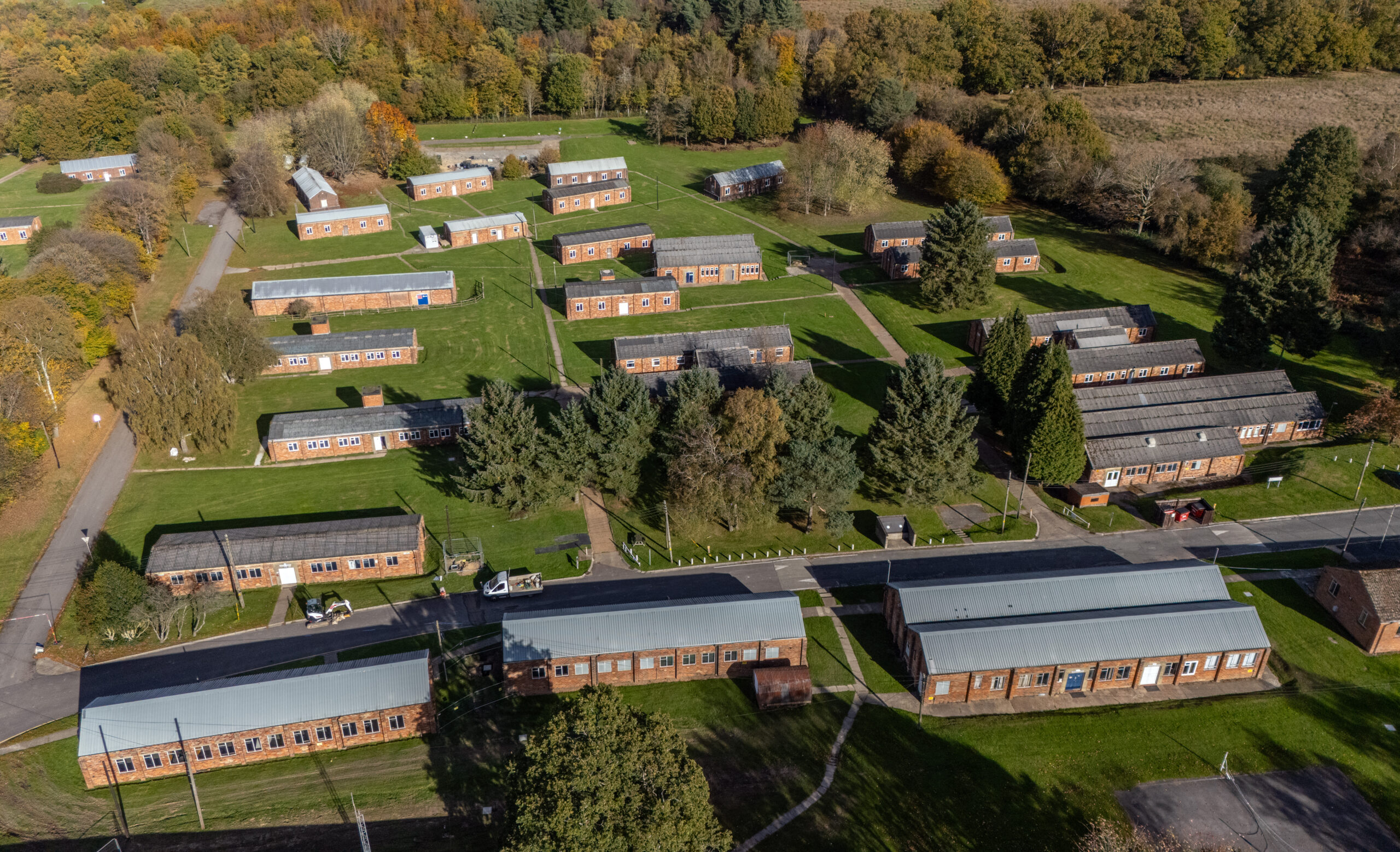
In an effort to alleviate the burden on local communities and reduce costs associated with housing asylum seekers, Sir Keir Starmer has directed departments to close asylum hotels and seek alternative accommodations. This week, it was confirmed that Cameron Barracks in Inverness and the Crowborough training camp in East Sussex will house approximately 900 men by the end of the year.
Defence Secretary John Healey emphasized the commitment of the government to provide temporary asylum sites: “The Prime Minister has asked Defence to step up to provide the Home Office with temporary sites for asylum, and we are. We are looking at military sites that can be stood up swiftly as we ease pressure on communities and cut asylum costs.” He noted the urgency of this initiative, given the rising number of individuals seeking refuge.
In 2025 alone, over 36,000 individuals have crossed the English Channel in small boats, reflecting an ongoing migration trend. By June this year, around 32,000 asylum seekers were residing in hotels, underscoring an escalating crisis that necessitates swift governmental action.
Alongside these measures, ministers are set to announce a substantial £9 billion overhaul aimed at improving the quality of military housing. This ambitious plan represents the most significant reform in military accommodations in half a century, with the goal to modernise or rebuild 40,000 homes over the next ten years. Additionally, plans for another 100,000 homes for soldiers and civilians on Ministry of Defence land are also under consideration. Starmer has characterized this initiative as a “generational renewal,” highlighting its importance for the armed forces.
The government’s approach reflects a dual strategy: addressing the immediate needs of asylum seekers while simultaneously committing to improving the living conditions for military personnel. As this situation evolves, the ability of the UK government to balance these demands will be closely scrutinised by stakeholders across the spectrum.
This ongoing dialogue regarding military base repurposing for asylum-seekers is an illustration of the complexities involved in navigating migration policy within the context of national security and community resources.